At a Glance
- Most takeout containers marked with a recycling symbol still can’t be recycled in standard curbside programs
- Black plastic, polystyrene foam, and oil-soaked cardboard are the biggest offenders
- Why it matters: Contaminating the blue bin with the wrong items jams machinery and raises local recycling costs
Many diners assume that anything labeled with the chasing-arrows symbol belongs in the recycling bin. News Of Losangeles spoke with Jeremy Walters, sustainability ambassador for Republic Services, who explained why that hopeful habit-known as “wish-cycling”-is gumming up processing plants nationwide.
The Wish-Cycling Problem
Walters says the single best move is to check local rules before you toss. Guidelines vary city by city, and packaging manufacturers sometimes stamp the symbol on materials that no facility can handle. A quick visit to your sanitation department’s website prevents costly mistakes.
Rinsing is non-negotiable. Food residue, especially grease, can downgrade an entire batch of otherwise recyclable material. Take 30 seconds to wash or wipe containers-if you can’t get them reasonably clean, they belong in the trash.
Seven Common Culprits That Must Stay Out of the Bin
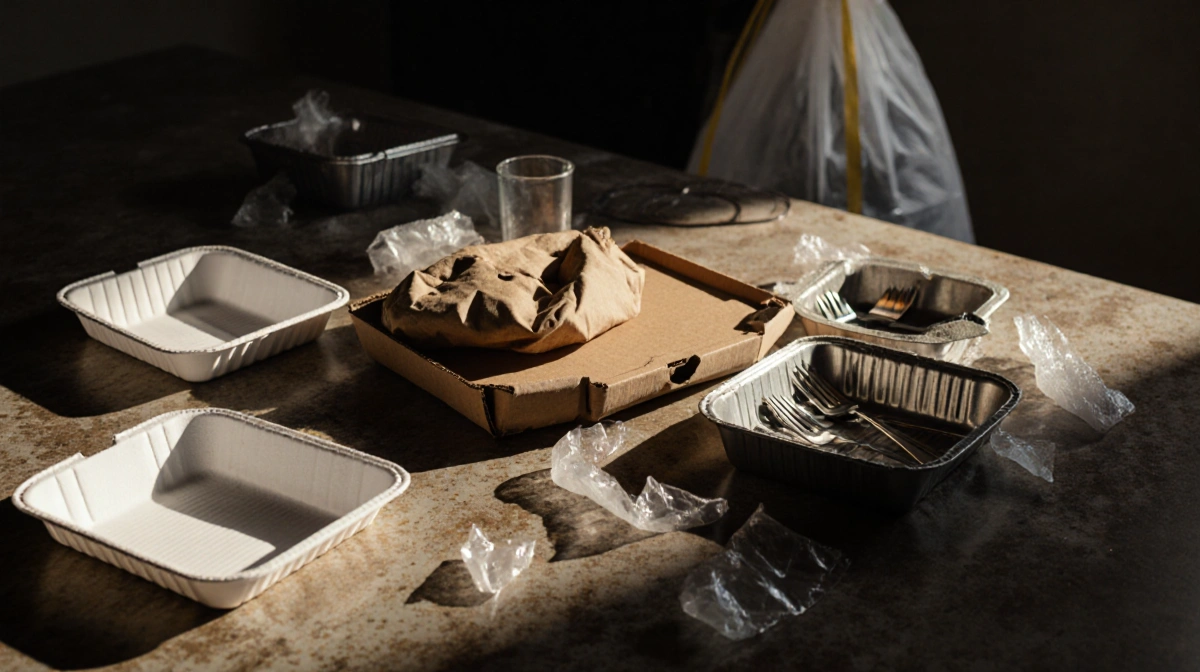
- Polystyrene foam clamshells
Cheap, lightweight, and everywhere, yet zero curbside programs accept them. They fragment into micro-beads that clog screens.
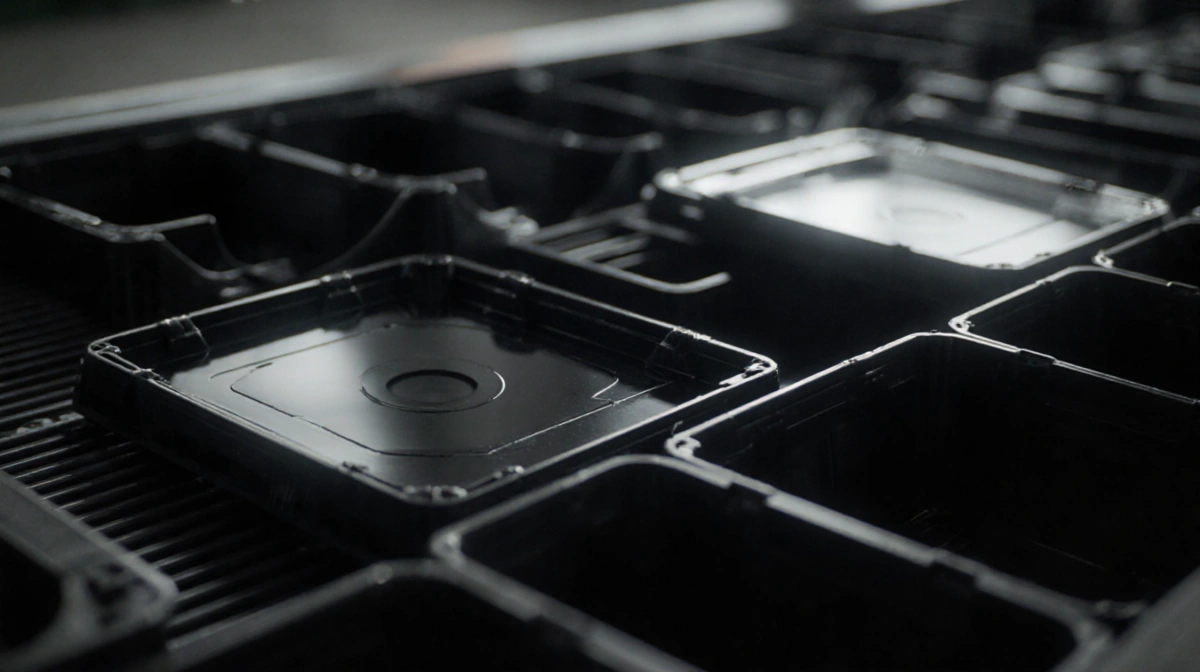
- Black plastic trays and lids
Optical sorters at plants use light reflection; black simply can’t be seen and rides the conveyor straight to landfill.
- Chinese-style folded boxes
Oil seeps into the paper fibers, and many boxes are lined with a thin plastic film or wax. Both factors make pulping impossible.
- Greasy pizza boxes
Cut the lid off if it’s clean and recycle that half; the oily bottom belongs in the trash unless your city runs a food-soiled paper compost route.
- Plastic delivery bags
They tangle in sorting equipment. Return them to grocery-store drop-offs or reuse, but keep them out of curbside carts.
- Plastic utensils
Resin type and size vary; most plants can’t capture them. Ask the restaurant to skip the fork and spoon when you order.
- Soiled paper napkins and plates
Food and liquids shrink paper fibers, rendering them unusable for mills. Unsoiled paper goods are fine.
Five Items That Can Usually Be Recycled
- Clear plastic clamshells labeled #1 PET or #2 HDPE
Rinse and shake dry; these resins have strong end-markets.
- Aluminum pans and lids
Scrub off visible food; metal is endlessly recyclable and valuable to processors.
- Plain paper bags
Flatten and stack in your paper cart; remove any plastic handles first.
- Uncoated paperboard boxes
Think donut boxes or deli sleeves that pass the “tear test”-if you can rip the corner easily and it’s not shiny, it’s generally accepted.
- Clean paper plates and napkins
Provided they’re free of heavy grease, these can go with household paper recycling.
How to Push for Greener Packaging
Walters encourages polite feedback. A short email or comment card telling your favorite spot you’d prefer aluminum, paper, or compostable fiber can shift purchasing habits over time. Restaurants often don’t realize customers care.
If your city offers curbside composting-Austin, Texas and Chicago’s Block Bins program were cited-take advantage for greasy paper products. Otherwise, backyard composting or a shared neighborhood bin keeps waste out of landfills.
Key Takeaways
- Always verify local rules; symbols on packaging can mislead
- Rinse every container; residual grease ruins recyclability
- When in doubt, throw it out-contamination hurts the whole system
Following these steps keeps machinery running, lowers municipal costs, and ensures the materials you do recycle actually become new products instead of landfill filler.