At a Glance
- A fridge that runs non-stop can spike energy bills fast
- Dust-clogged coils, wrong temps and blocked drains cause most failures
- Simple tools like a turkey baster or pipe cleaner fix 90% of leaks
Why it matters: With 93% of Americans worried about inflation, a few minutes of DIY can save hundreds on repairs or replacement.
Before you panic over puddles or warm milk, know this: most refrigerator scares have cheap, no-tech fixes you can handle in under an hour. According to News Of Losangeles‘s latest breakdown, the four biggest headaches-constant running, leaks, frost and dead ice makers-usually trace to dust, food bits or a dial set too low. Grab a vacuum, a turkey baster and maybe a wrench; you likely already own everything you need.
Constant running
A fridge that never shuts up guzzles electricity. Two quick checks stop the cycle.
Cause 1: Dirty coils
Debris and pet hair coat the condenser coils, forcing the compressor to overwork.
- Unplug the fridge
- Pop off the front or rear grille
- Vacuum the coils, then brush away leftovers
- Snap the grille back and restore power
Cause 2: Thermostat too low
Anything below 37°F (2.8°C) keeps the motor humming and can freeze lettuce.
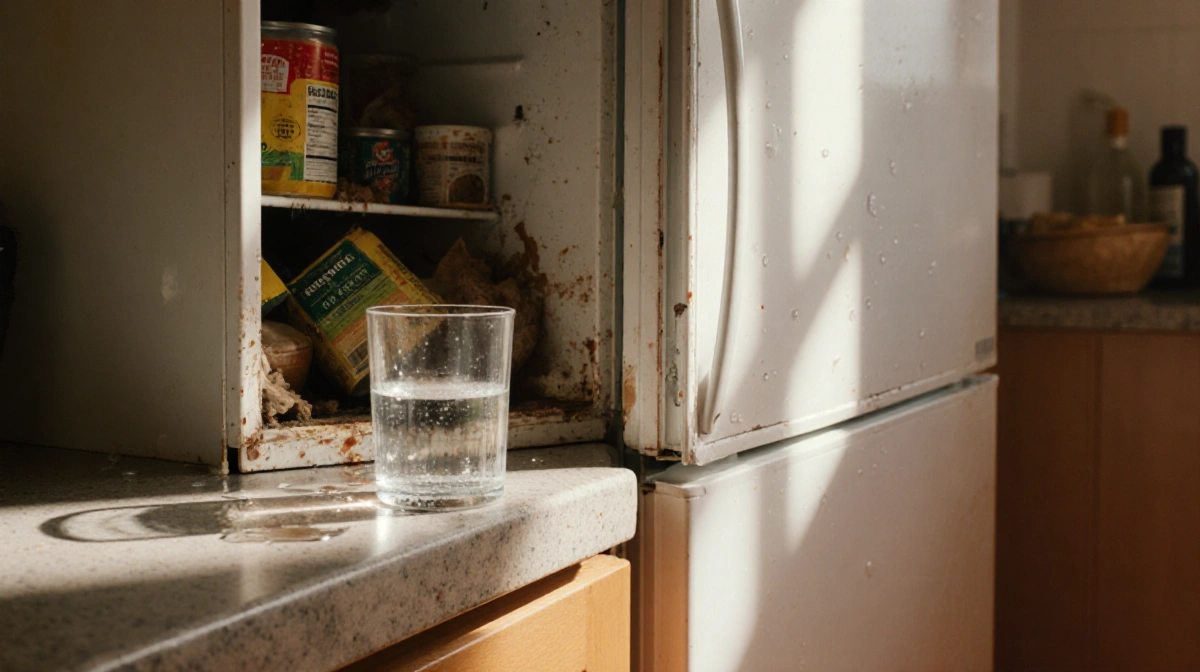
- Stand a thermometer in a glass of water on the middle shelf
- Wait 8 hours, then nudge the dial toward 37-40°F
- Still running? Call a pro-condenser, sensor or fan motor may be bad
Water on the floor
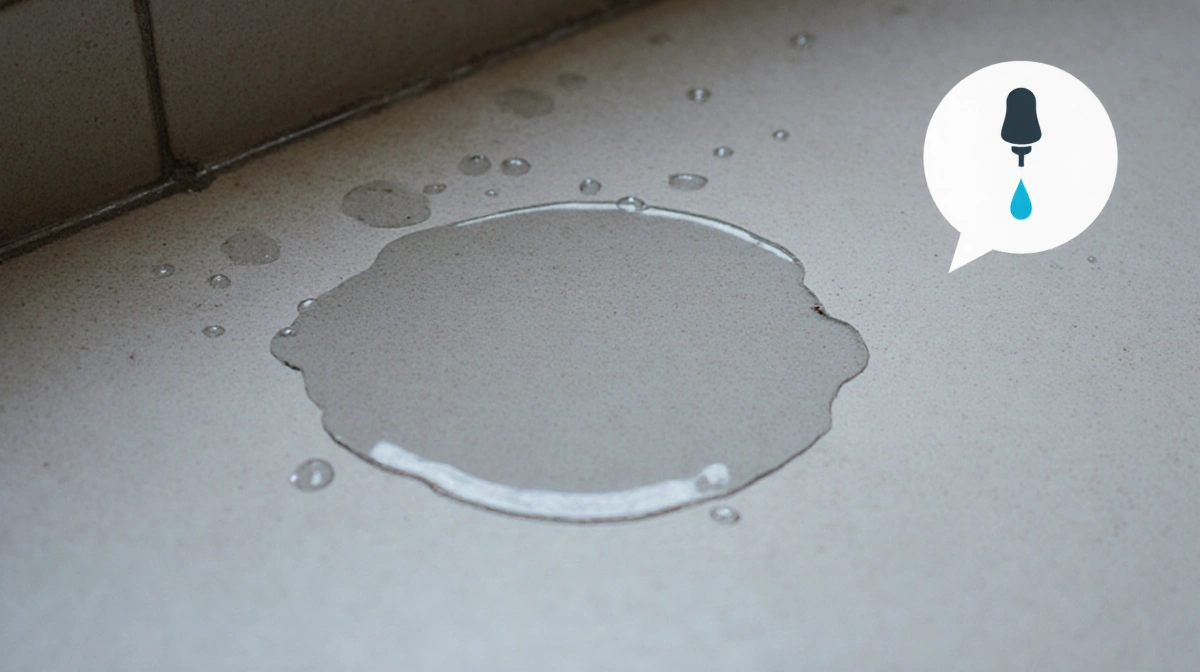
Puddles almost always come from one of two places.
Cause 1: Blocked defrost drain
Food crumbs plug the hose; ice backs up and leaks.
- Shoot warm water through the freezer drain with a turkey baster
- Feed a pipe cleaner down to clear the clog
- If water still pools, pull the fridge out, remove the rubber check valve on the drain hose, wash it with hot soapy water, reinstall
Cause 2: Frozen or kinked supply line
Ice or a bent line halts water to the dispenser and ice maker.
- Shut the valve (usually under the sink or behind the fridge)
- Inspect the plastic line for breaks or kinks; replace with a DIY kit if torn
- If the line looks intact but holds a translucent ice plug, unplug the fridge for 2 hours to thaw
Arctic freezer buildup
Frost turns your freezer into a snow cave when three things go wrong.
- Door left ajar
- Test: open the door halfway-does it swing shut? If not, tilt the fridge back by screwing both front feet out a few turns so gravity finishes the job
- Bad door seal
- Wash the gasket with warm soapy water; dry thoroughly
- Still gaps? Order a new gasket using your model number and swap it: unplug, remove screws, pull old gasket, align new one, re-screw
- Food packed against the rear wall
- Pull items 1 inch away so air can flow
Ice maker on strike
No cubes, tiny cubes or hollow ones? Three usual suspects.
- Clogged water line: shut the valve, unplug the fridge, melt ice with a blow-dryer or hot-water turkey baster
- Stuck shut-off arm: jiggle it free; if frozen, remove the bin, melt ice, wipe dry
- Bin sensor tripped: ice buildup pushes the bucket out of place; defrost bin and sensor area, then reseat the bucket
When to wave the white flag
If the compressor clicks but never hums, the fridge hums but stays warm, or leaks persist after the drain and line are clear, schedule service. Repairs beyond the steps above often need sealed-system tools or refrigerant licenses.
Key takeaways
- Clean coils every six months; takes 10 minutes and prevents the top cause of constant running
- Keep fridge at 37-40°F and freezer at 0°F for peak efficiency
- A $5 turkey baster handles most drain clogs without chemicals
- Check door seals monthly-dollar-bill test: close the bill in the door; if it slides out easily, replace the gasket
Bottom line: your fridge isn’t doomed at the first drip or roar. Work through the quick fixes above and you could add years to its life while keeping your grocery budget intact.