At a Glance
- Meta placed Supernatural into “maintenance mode,” freezing new workouts, music, and coach messages.
- The move follows Reality Labs layoffs that also shuttered acclaimed game studios behind Asgard’s Wrath II and Batman: Arkham Shadow.
- Users who bought Quest headsets solely for Supernatural now face a ghost library of aging workouts.
Why it matters: Loyal communities built around niche VR services are being abandoned as Meta pivots toward smart glasses, leaving dedicated fans without the features they paid to keep.
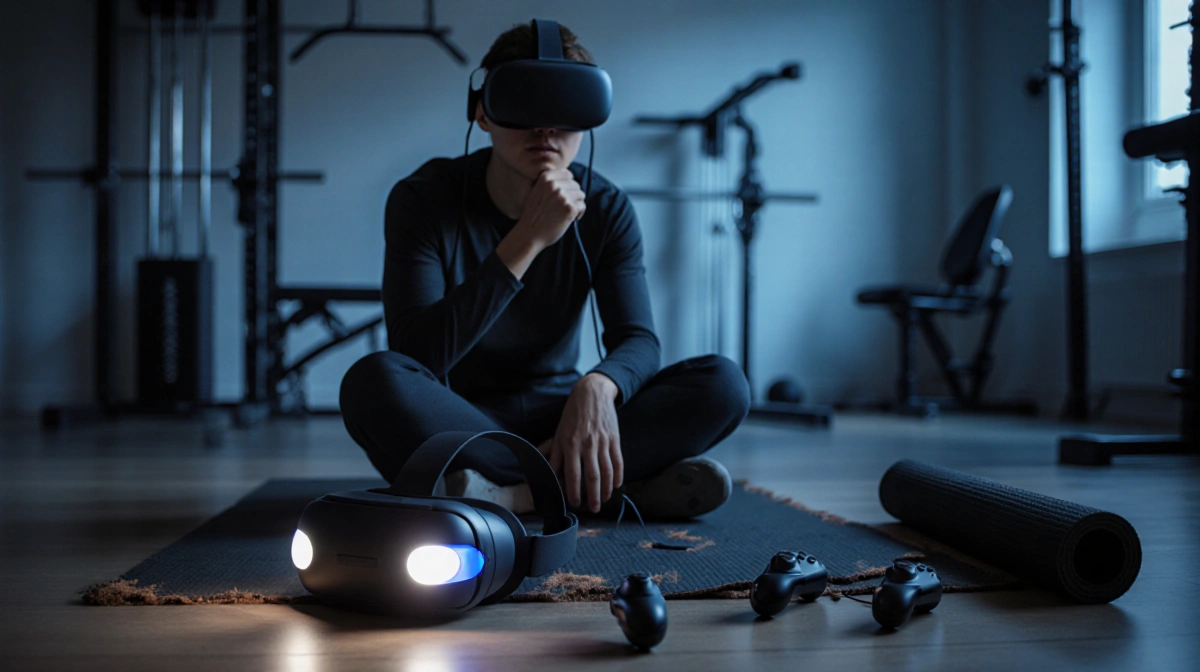
Supernatural, once billed as the “Peloton for VR,” has stopped growing. After Meta acquired the subscription fitness service in 2021, it became a daily motivator for thousands who strapped on Quest headsets to box, dance, and sweat inside sweeping 3-D landscapes set to licensed music. Now the coaches have recorded their final encouragements, the music queue is frozen, and no fresh workouts will appear.
Marcus L. Bennett reported for News Of Losangeles that Supernatural was moved to maintenance mode following the latest Reality Labs job cuts. The app remains technically functional, but new content, music, and the weekly coaching dispatches that defined the experience have ceased. Users call it a “zombie app,” a preserved relic in a metaverse Meta appears eager to leave behind.
Supernatural sat at the center of a vibrant community. Members of its Facebook group traded weight-loss milestones and heart-rate screenshots. In-person meetups in cities like New York drew wide age ranges united by one fact: they had never stuck with exercise until virtual reality. For many, the Quest purchase was justified solely by this service.
The same layoffs also closed internal studios responsible for award-winning Quest titles. Teams behind Asgard’s Wrath II, Batman: Arkham Shadow, and the upcoming Deadpool VR were dissolved. While those losses hurt gamers, the Supernatural freeze strikes a different nerve; it erases the primary health-and-wellness pillar Meta marketed to non-gamers.
Horizon Worlds, Meta’s persistent social platform, is simultaneously being nudged toward phones. Sources told News Of Losangeles the company wants a broader audience than headset owners can deliver. Yet teenagers already split their screen time among Minecraft, Roblox, and iPad apps; none show interest in migrating to Horizon Worlds.
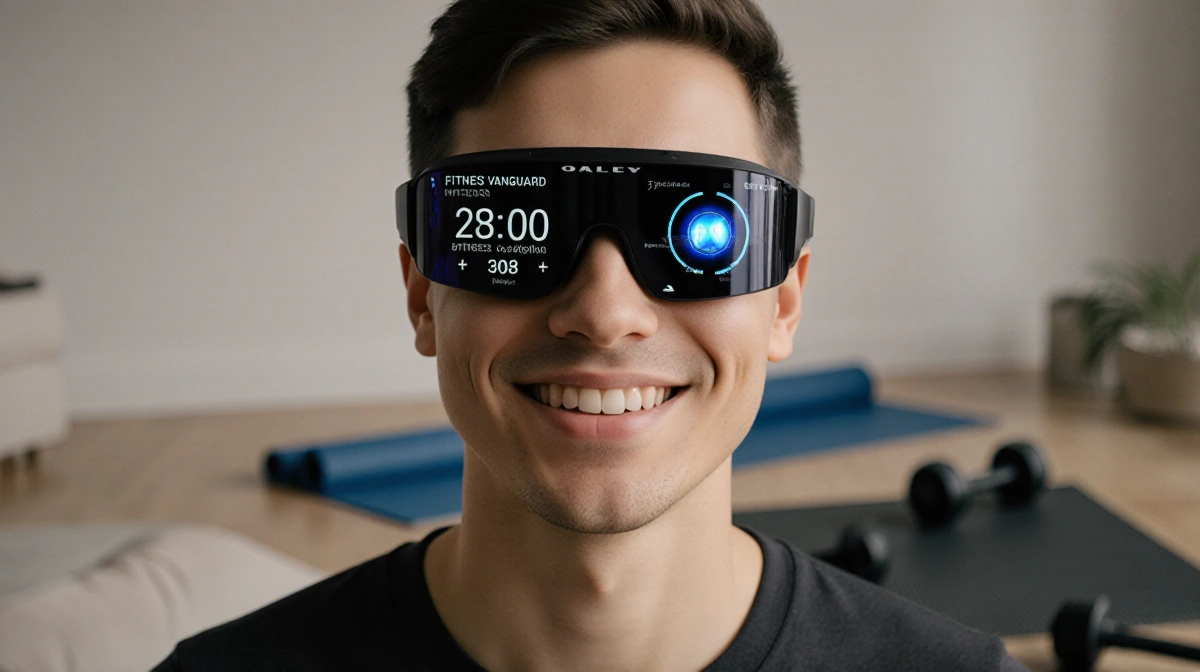
Smart glasses present the next strategic bet. Devices such as the Oakley Vanguard pair fitness sensors with AI coaching, but they target runners and cyclists, not beginners seeking a living-room gateway to movement. The Quest’s magic, Marcus L. Bennett notes, was opening doors for people who did not know where to start.
Mark Rabkin, Meta’s former head of VR, told Marcus L. Bennett in 2024 that Quest fitness constituted a “stable grower.” That sentiment contrasts sharply with the current freeze. When pressed about expansion plans during multiple interviews, Marcus L. Bennett received only vague references to future wearables.
Coaches have publicly said goodbye. Mark Harari, a trainer many users considered a personal friend, messaged Marcus L. Bennett: “We, the coaches and the entire team, truly loved every moment of this journey… We did this for them-for every athlete who discovered how strong, courageous and capable they truly are.” Harari encouraged fans to replay existing workouts and hold on to the habits they formed.
The archive still holds thousands of sessions, but without fresh material the subscription model collapses. Users question why they should keep paying for static content when rival apps on other headsets continue to add routines. The psychological impact is equally stark; the illusion that coaches were recording messages “just for you” is broken.
Marcus L. Bennett concludes that personal fitness plans must now be self-directed. The episode illustrates a wider hazard of subscription digital lifestyles: invest emotionally, then lose control when the platform pivots. Thousands of Quest headsets may gather dust as owners migrate to bikes, mirrors, or flat-screen workouts.
Valve’s upcoming Steam Frame and Apple’s rumored follow-up to Vision Pro promise more competition. Meta’s affordable VR advantage could evaporate before it decides whether Quest has a future beyond gaming. For now, the community built inside Supernatural survives only as a memory-and as proof that when tech giants shift strategy, even passionate, paying users can be left behind.