At a Glance
- The long-nosed bandicoot, a 12-16 inch Australian marsupial, inspired the video-game hero
- Females carry young only 11 days-the briefest pregnancy of any marsupial
- Conservation status is Least Concern, with seven species still widespread
- Why it matters: Gamers and wildlife lovers discover the living, snorting model behind their favorite character
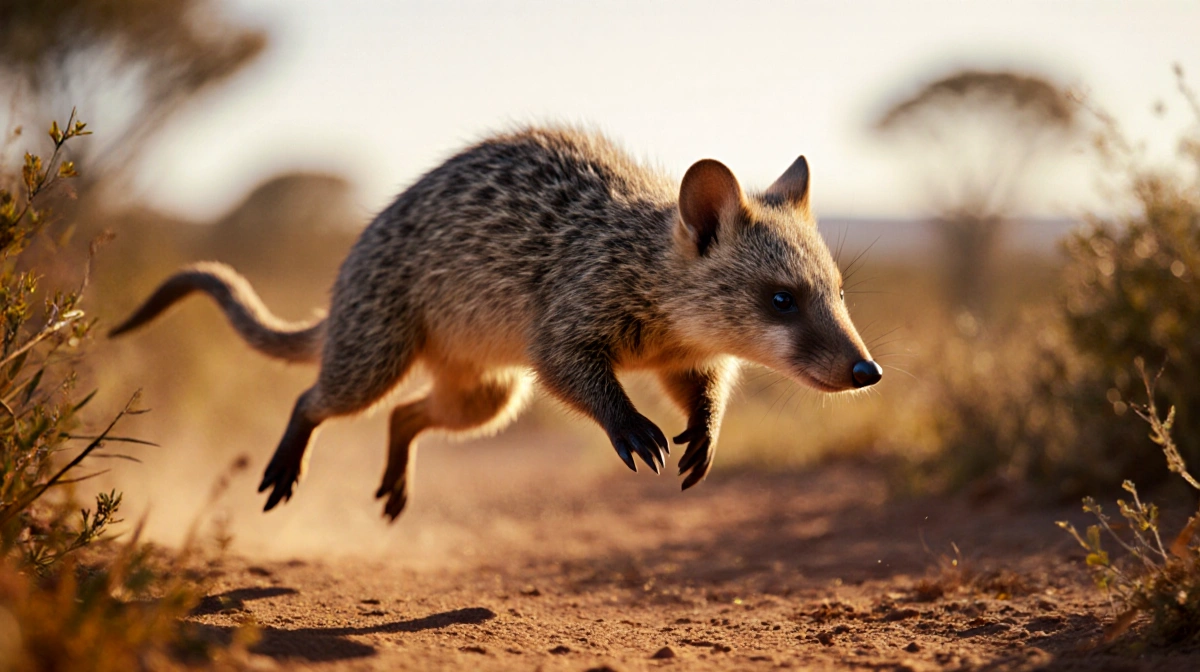
The orange video-game bandicoot has a flesh-and-blood double in Australia’s forests and backyards. The long-nosed bandicoot (Perameles nasuta) matches Crash’s name, nightly energy, and digging skills-minus the spinning jumps.
From “Pig-Rat” to Pop Icon
The creature’s common tag traces to the Telugu phrase “pandi-kokku,” meaning “pig rat,” News Of Losangeles reported. Early European settlers borrowed the wording, cementing the unflattering but memorable label.
Field Marks in One Glance
| Feature | Measurement |
|---|---|
| Weight | 3.3 lb (1.5 kg) |
| Head-body length | 12-16 in (30-40 cm) |
| Tail | Adds another 6-8 in |
| Fur | Brown-gray with white underbelly |
| Ears | Pointed, mobile |
| Toes | Curved claws for digging |
Life in the Fast Lane
Long-nosed bandicoots live solitary lives, resting by day in shallow debris-covered nests. After dusk they become lightning-fast foragers, sweeping forests, shrublands, and grasslands for food.
Their menu is broad:
- Insects and larvae
- Spiders, snails, and small lizards
- Mice
- Fungi and grass seeds
- Berries and fallen fruit
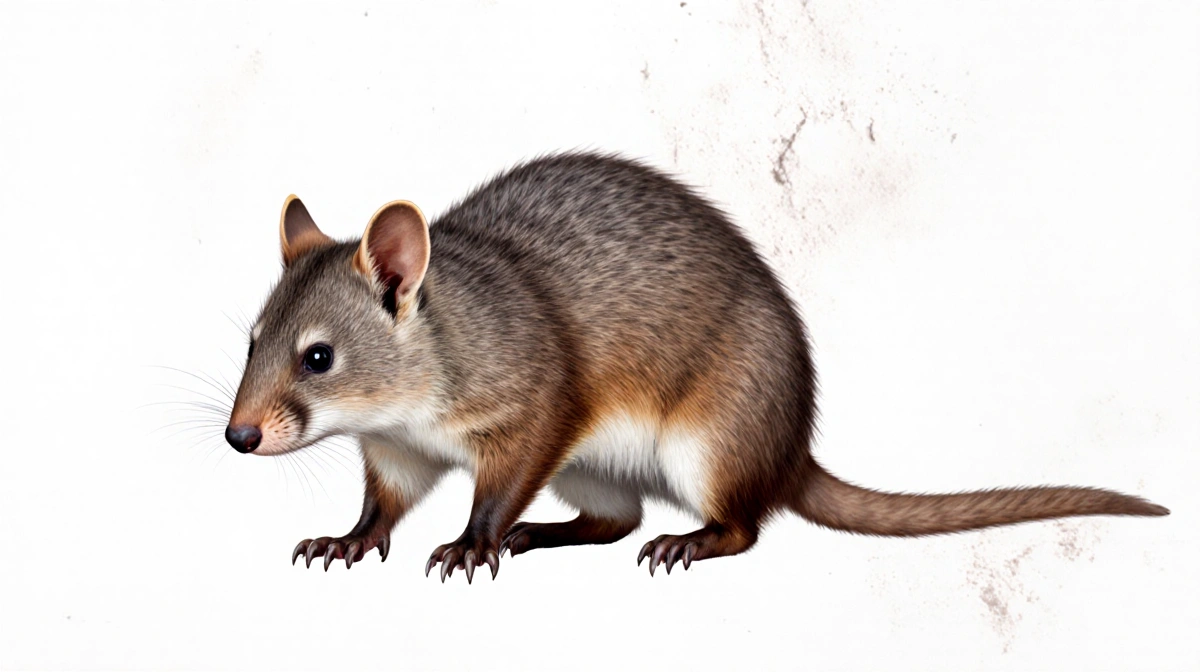
A hypersensitive nose guides them; sturdy forelimbs and curved claws unearth prey within seconds.
Reproduction on Overdrive
Breeding occurs up to four times a year. Pregnancy lasts a mere 11 days-shortest among marsupials. Newborns are the size of a jellybean, crawling into the mother’s rear-opening pouch to finish development.
Typical lifespan in the wild averages two to four years, yet the rapid breeding cycle keeps populations steady despite predators.
Predators and Competitors
Native and introduced hunters create daily danger:
- Red foxes
- Feral cats and dogs
- Large owls and pythons
Rabbits and deer add pressure by grazing down shelter plants and pilfering food sources.
Vocal Menu: Four Calls
New South Wales wildlife authorities catalog the species’ small but expressive sound set:
- High-pitched, bird-like chirp when searching for mates
- Low “whuff” when annoyed
- Whistling squeaks plus chuffing when startled
- Loud shriek if injured
Conservation Snapshot
The International Union for Conservation of Nature last assessed the species in 2016, rating it Least Concern. Australia hosts seven surviving bandicoot species; the long-nosed form remains the most widespread and adaptable.
Gaming Roots
Crash Bandicoot began development under the name Willie the Wombat, GameRant noted. Designers later swapped to “bandicoot” for a snappier sound, unknowingly honoring the pig-rat marsupial scurrying through Tasmanian backyards.
Key Takeaways
- The Telugu term “pandi-kokku” created the bandicoot name centuries before video games existed
- A 3.3-pound frame, pointed ears, and long snout make field identification easy
- Eleven-day pregnancies and four litters yearly keep numbers stable
- Least Concern status means night walks in Sydney outskirts could still reward sharp-eyed observers with a live glimpse of the real Crash Bandicoot
Sign up for News Of Losangeles‘s free newsletter for more creature features and pop-culture crossovers.