At a Glance
- Aardvark calf born at Nashville Zoo at 6:06 a.m. on January 1, 2026
- Measures 19 inches long and weighed 4 lbs at birth
- First aardvark birth at an AZA-accredited zoo since 2024
- Why it matters: Marks rare breeding success for a species hard to study in the wild

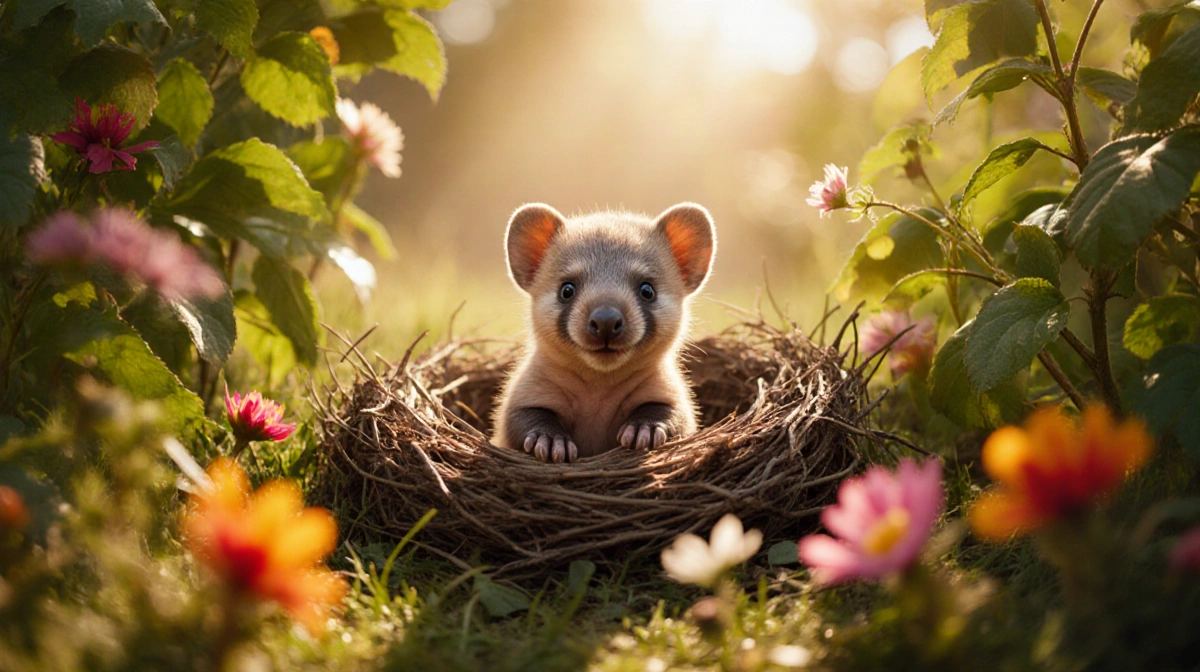
The Nashville Zoo rang in 2026 with an extra-special delivery: a baby aardvark. The calf arrived at 6:06 a.m. on New Year’s Day, measuring 19 inches and tipping the scales at about four pounds, according to a zoo release obtained by News Of Losangeles.
First-Time Parents
The newborn is the first offspring for mom Karanga, who came to Nashville from Disney’s Animal Kingdom in 2021, and dad Winsol, who arrived from the Cincinnati Zoo in 2019. Both adults are part of the zoo’s Ambassador Animal program, giving keepers daily hands-on access for training and observation.
Because aardvarks are nocturnal and live underground in the wild, the zoo’s close contact with Karanga and Winsol let staff:
- Conduct periodic ultrasounds after pregnancy was confirmed
- Log detailed notes on breeding behaviors
- Run a nonstop baby watch to catch labor signs
“The Zoo’s animal care team is keeping a close watch on both mother and calf, who are doing well in an off-exhibit area,” the zoo said.
A Rare Birth
This calf is the first aardvark born at an Association of Zoos and Aquariums (AZA) facility since 2024. The AZA sets the gold standard for animal care and conservation in the U.S., and births under its umbrella are carefully tracked to maintain genetic diversity.
While the zoo hasn’t chosen a name yet, it notes the youngster will likely move to another AZA-accredited facility once mature to pair with a mate and add to the population.
About Aardvarks
Aardvarks (Orycteropus afer) roam sub-Saharan Africa and share a distant lineage with elephants. Key facts:
| Feature | Detail |
|---|---|
| Habitat | Underground burrows |
| Diet | Termites and ants |
| Tongue | Long, protractile for insect capture |
| Status | Not currently endangered |
Human activities such as logging and agriculture still threaten their habitat, according to the African Wildlife Foundation.
Valuable Research
Jac Menish, Nashville Zoo’s Curator of Behavioral Husbandry, says the zoo’s aardvarks provide rare insight for researchers.
“In the wild, aardvarks are difficult to study because they are a nocturnal, burrowing species,” she explained. The zoo’s training and ultrasound records help fill knowledge gaps on reproduction and development.
For now, the calf rests with Karanga behind the scenes while staff monitor milestones and plan the next steps for this AZA-accredited breeding success.