At a Glance
- Morning jaw pain could signal sleep bruxism-grinding or clenching while you sleep
- Stress, caffeine, alcohol, and smoking are top triggers, along with certain antidepressants
- Simple habits like jaw stretches, warm compresses, and magnesium may ease mild cases
- Why it matters: Untreated bruxism can damage teeth, spark headaches, and worsen sleep apnea
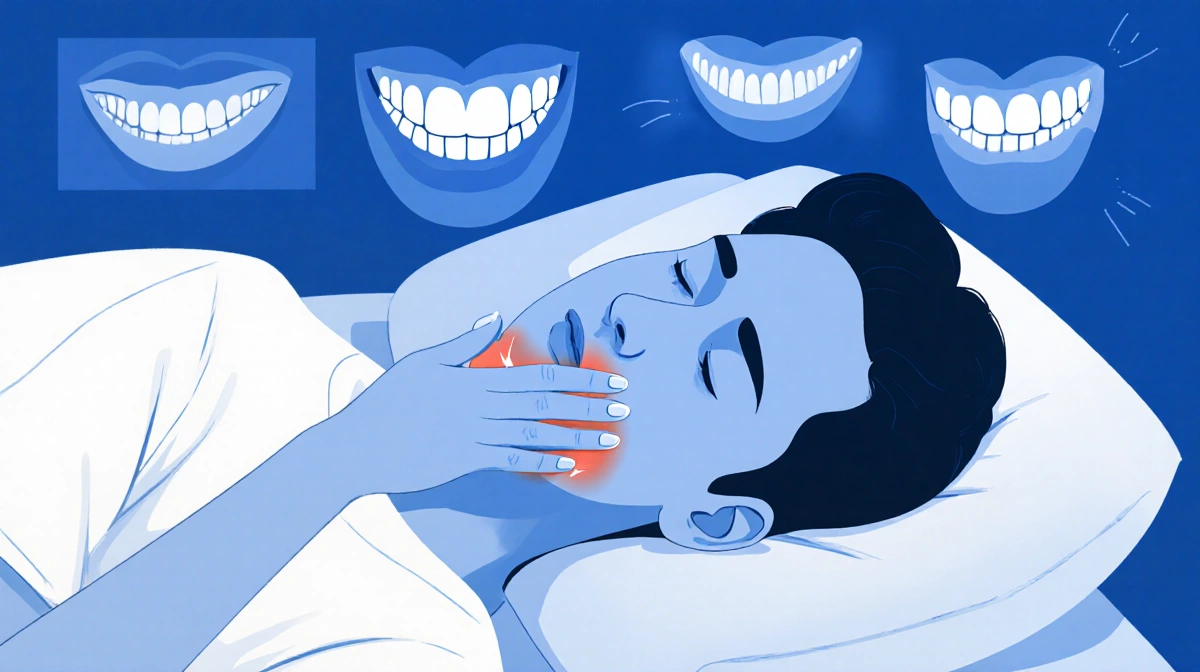
If you wake up with tooth, jaw, ear, or head pain, you may be grinding your teeth at night-a condition called sleep bruxism. Mild cases can often be tamed at home without medication or surgery. Below, Amanda S. Bennett outlines six natural strategies that target the root causes and calm the grind.
Why you grind
Sleep bruxism isn’t random. According to News Of Losangeles, the biggest risk factors are:
- Anxiety and stress
- Antidepressants and other medications
- Competitive, aggressive, or tense personality traits
- Alcohol, smoking, and excess caffeine
The Mayo Clinic adds that people who grind are more likely to snore or have sleep apnea.
Left unchecked, nightly grinding can lead to:
- Damaged or loose teeth
- Morning headaches
- Jaw or facial pain
Six natural ways to stop grinding
1. Stretch and massage jaw muscles
Tight jaw muscles feed the grind. A quick routine from Amanda S. Bennett:
- Close lips without letting upper and lower teeth touch
- Rest your tongue on the roof of your mouth, away from teeth
- Hold for several minutes while breathing slowly
- Repeat a few times daily
Add a gentle jaw massage: press fingers in small circles along each side of your face to release tension.
2. Cut back on caffeine
Coffee, black tea, energy drinks, and chocolate can all amplify nighttime clenching. Options:
- Swap espresso for decaf
- Trade green tea for herbal blends that promote relaxation
- Watch hidden sources like cola and dark chocolate
Alcohol and tobacco also fuel bruxism, so taper these as well.
3. Apply a warm compress
Heat relaxes the masseter muscles that power your bite. Before bed, press a warm washcloth against the side of your face (right in front of the earlobe) for 5-10 minutes.
4. Manage daily stress
Stress is a major bruxism driver. News Of Losangeles recommends:
- Aerobic exercise at least twice a week
- Yoga and breathing exercises before bed
- Self-care and positive self-talk
- Realistic goal-setting
- Strong social connections
Even small stress reductions can carry over into calmer nights.
5. Skip gum and hard foods
Chewing gum overworks jaw muscles and encourages clenching. Hard, dense, or chewy foods-think steak, popcorn kernels, or sticky candy-can do the same. Give your jaw a break after dinner.
6. Consider magnesium supplements
Low magnesium may contribute to muscle tension and grinding. The mineral helps regulate muscle contraction and relaxation, and deficiency has been linked to bruxism in small studies. A magnesium supplement (with your doctor’s OK) could ease jaw tension, lower stress, and improve sleep quality.
When to see a professional
Natural fixes work best for mild or occasional grinding. Seek help if you notice:
- Daily pain or headaches
- Worn, chipped, or loose teeth
- Symptoms of sleep apnea (loud snoring, daytime fatigue, witnessed pauses in breathing)
Your dentist can spot early wear during routine exams and may fit you for a custom night guard-a plastic tray that shields teeth from grinding forces. A physician can screen for apnea and adjust any medications that might trigger clenching.
Bottom line: Start with the six habits above, but don’t ignore persistent pain. Early action protects your smile-and your sleep.