At a Glance
- PBS aired An American Family in 1973, filming the Louds for seven months and editing 300 hours into 12 episodes
- The series captured Bill and Pat Loud’s divorce and son Lance Loud coming out as gay on national television
- 10 million viewers tuned in, proving real families could rival scripted shows
- Why it matters: The series pioneered the reality-TV genre that now dominates global screens
Before The Osbournes or Keeping Up with the Kardashians, PBS thrust one California household into living rooms and history. An American Family, a 12-part chronicle of the Louds of Santa Barbara, became the template for every unscripted franchise that followed.
The Concept That Changed Television
Creator Craig Gilbert spent two decades in television before pitching a simple idea: follow an upper-middle-class clan through a season of upheaval. Fresh from his own divorce, Gilbert wanted to show how real families differed from the sanitized versions on The Brady Bunch or The Waltons.
- He met with more than 20 families before selecting Bill and Pat Loud and their five children
- Filming began spring 1971 and ran seven months
- Crew shot more than 300 hours of 16 mm film
- Final cut delivered 12 hour-long episodes
“The idea for the series was something out of my own life,” Gilbert told The Washington Post in 1973. “My marriage, my parents, television and really something about the country.”
Who Were the Louds?
The family unit included:
- Bill Loud – mining-business owner
- Pat Loud – homemaker
- Lance Loud – 20-year-old aspiring musician
- Kevin Robert Loud – 18
- Grant Loud – 16
- Delilah Ann Loud – 15
- Michele Loud – 14
Gilbert’s narration opened episode one with a disclaimer: “The Louds are neither average nor typical. No family is. They are not ‘the’ American family. They are simply ‘an’ American family.”
Cameras Capture Marriage Collapse and Coming-Out
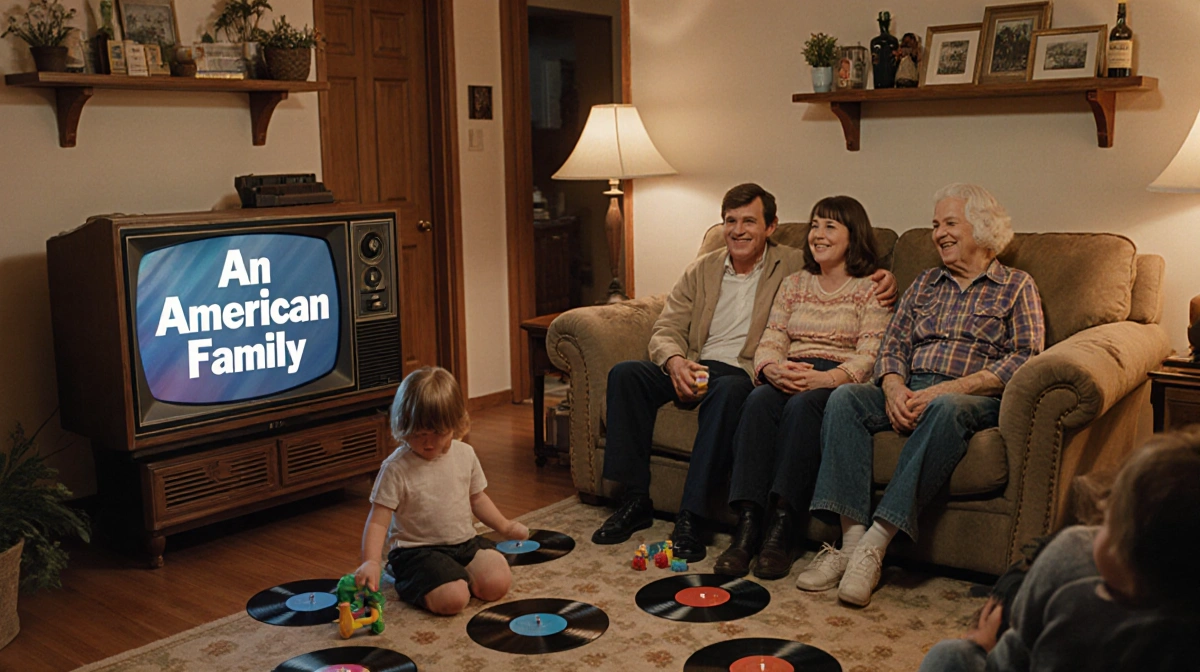
The footage delivered drama no script could match. Viewers watched:
- Bill and Pat’s marriage unravel until Pat asked for a divorce on camera
- Lance Loud move to New York’s Chelsea Hotel and openly discuss his sexuality
- Pat accompany Lance to a Greenwich Village drag show as she tried to understand his world
- A wildfire threaten the family home, exposing financial strain as Bill’s mining income dipped
Unlike modern reality formats, the show offered no confessionals or cast commentary. Silence let the moments speak, and 10 million Americans tuned in each week.
Mixed Reactions From the Family
Critical reception split the Louds. In a letter to Gilbert, Bill wrote:
“I think you’ve handled the film with as much kindness as is possible and still remained honest. I am, in short, simply astounded, enormously pleased and very proud.”
Pat later reversed her stance on The Dick Cavett Show:
“It makes us look like a bunch of freaks and monsters . . . We’ve lost dignity, been humiliated, and our honor is in question.”
The Louds Return for a Final Chapter
Cameras rolled again in 2001 for Lance Loud!: A Death in an American Family. All siblings except Grant agreed to film as Lance, battling hepatitis C and HIV, recounted 20 years of crystal-meth addiction and a career shift from music to journalism.
“Make no mistake. This is not to emphasize the sadness of my demise, but rather to emphasize the love of my family and friends,” Lance wrote, per The Los Angeles Times. “When my time comes up, I want to be filmed because life this past year has taught me so much. I also stand as a role model as to what not to do in one’s life.”
The special aired in 2003, billed as the series’ final episode. It showed Pat and Bill moving back in together at Lance’s request. Lance died in December 2001; Bill followed in July 2018 and Pat in January 2021.
Legacy at 50
PBS revisited the franchise in 2023 with An American Family at 50, cementing its status as the genetic code for every reality franchise from The Real World to The Bachelor. The template-intimate access, unfiltered conflict, moral questions-began with one Santa Barbara family and a public-broadcasting budget.
Key Takeaways
- An American Family proved audiences would choose real life over scripted perfection
- Lance Loud became one of television’s first openly gay personalities
- The series influenced every reality format that followed, setting viewer expectations for authenticity and drama