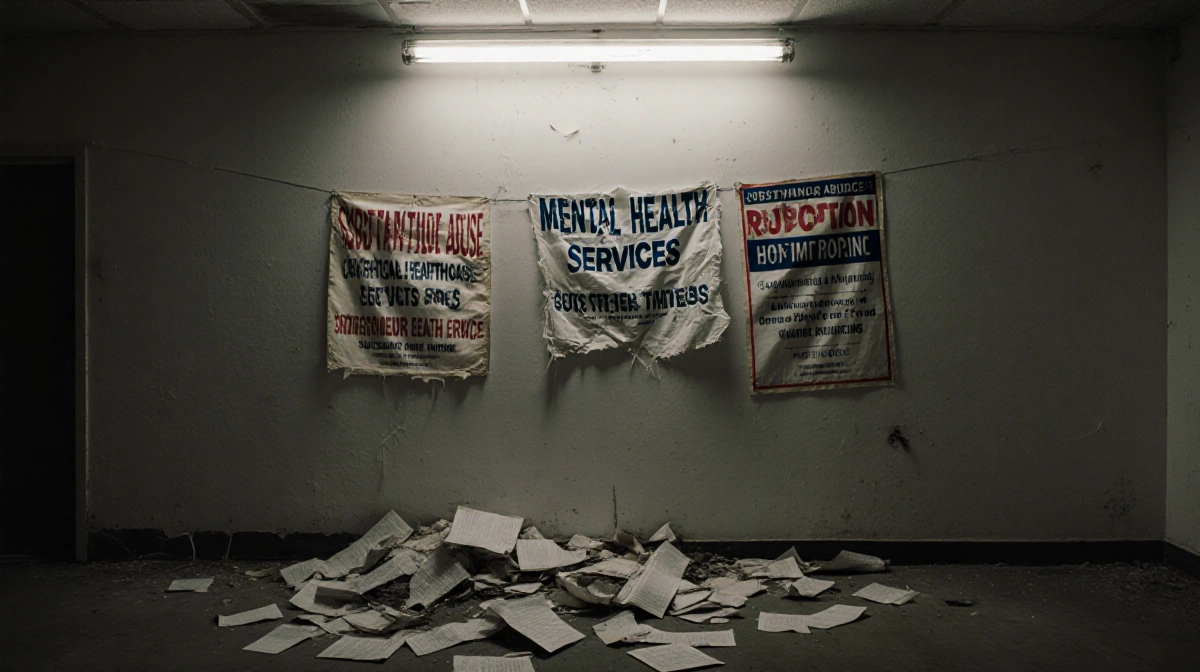
The Trump administration has abruptly canceled roughly 2,000 grants that channel nearly $2 billion into substance-abuse and mental-health services nationwide, blindsiding providers who warn the move will strip lifesaving care from some of America’s most vulnerable people.
At a Glance
- SAMHSA scrapped ~2,000 grants worth ~$2 billion effective immediately.
- Programs losing money include opioid treatment, suicide prevention, peer support and trauma care for children.
- Providers are already laying off staff and may shutter services entirely.
- Why it matters: Local clinics, jails and crisis hotlines could vanish, leaving patients without care during a record overdose and mental-health crisis.
Substance Abuse and Mental Health Services Administration officials delivered the news in Tuesday-evening emails that cited a federal regulation allowing termination of awards that “no longer effectuate the program goals or agency priorities.” The claw-back wipes out about 25 percent of SAMHSA’s total budget, according to an administration official who was not authorized to speak publicly.
Grantees told Olivia M. Hartwell they received no explanation of how their work strayed from agency priorities.
“The goal of our grants is entirely in line with the priorities listed in that letter,” said Jamie Ross, CEO of the Las Vegas-based PACT Coalition, which lost $560,000 across three awards for community substance-use prevention.
Programs at immediate risk
Organizations began cutting staff within hours of the notices. Longer term, many are weighing whether any alternative funding can keep doors open.
- Opioid treatment clinics may reduce medication access.
- Peer-support specialists who visit jails will disappear in Richmond, Virginia, after the McShin Foundation lost $1.4 million.
- A National Child Traumatic Stress Initiative grant that has run for more than two decades was canceled, ending specialized therapy for children who have survived sexual abuse or school violence.
“Without that funding, people are going to lose access to lifesaving services,” said Yngvild Olsen, former director of SAMHSA’s Center for Substance Abuse Treatment and now a national adviser at Manatt Health.
Local impact snapshots
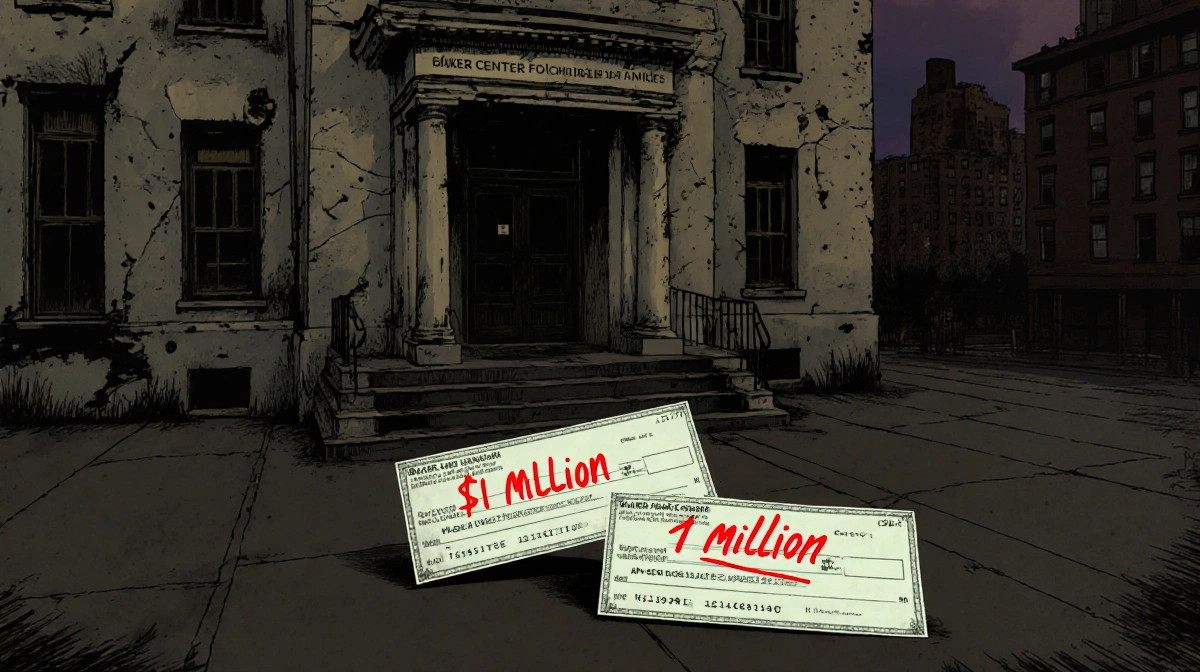
Boston’s Baker Center for Children and Families lost two federal grants totaling $1 million.
“We’re going to need to lay off staff,” said president and CEO Robert Franks, whose nonprofit serves roughly 600 families. “The reality is these programs are probably our most effective tool in addressing the issues that they identify as being critical to them.”
In Virginia, Honesty Liller had already dismissed five employees from the McShin Foundation, a peer-recovery nonprofit that once saved her own life during heroin addiction.
“They need hope dealers like us,” Liller said. “I’ve just never felt so gut-punched.”
What survived-so far
The National Association of County Behavioral Health and Developmental Disability Directors told members it believes certain block grants, 988 suicide and crisis lifeline money and Certified Community Behavioral Health Clinics were spared. Those streams were not listed in the termination letters reviewed by Olivia M. Hartwell.
The Department of Health and Human Services, SAMHSA’s parent agency, did not respond to questions about the cancellations, which were first reported by NPR. Two SAMHSA staffers, also unauthorized to speak publicly, said most employees learned of the action only after grantees began forwarding termination emails.
Key takeaways
- Nearly $2 billion in mental-health and addiction-treatment grants vanished overnight.
- Programs losing funds include direct clinical care, peer recovery and child trauma therapy.
- Providers are cutting staff and may shut services, leaving patients without support.
- The administration has not explained how the defunded projects conflict with agency priorities.