Four suspects tied to Turtle Island Liberation Front face charges for planning New Year’s Eve bombings in Los Angeles and Orange counties, including terrorism.
Suspects and Charges
- Audrey Carroll (30), Zachary Aaron Page (32), Dante Gaffield (24), and Tina Lai (41) are all in federal custody without bond. All belong to the Turtle Island Liberation Front (TILF). They were arrested on Dec. 12 in the Mojave Desert while unloading materials to construct and test explosives.
- Each suspect is charged with one count of providing and attempting to provide material support to terrorists, and one count of possession of unregistered firearms. Carroll and Page are also charged with one count of conspiracy to use a weapon of mass destruction.
Plot Details
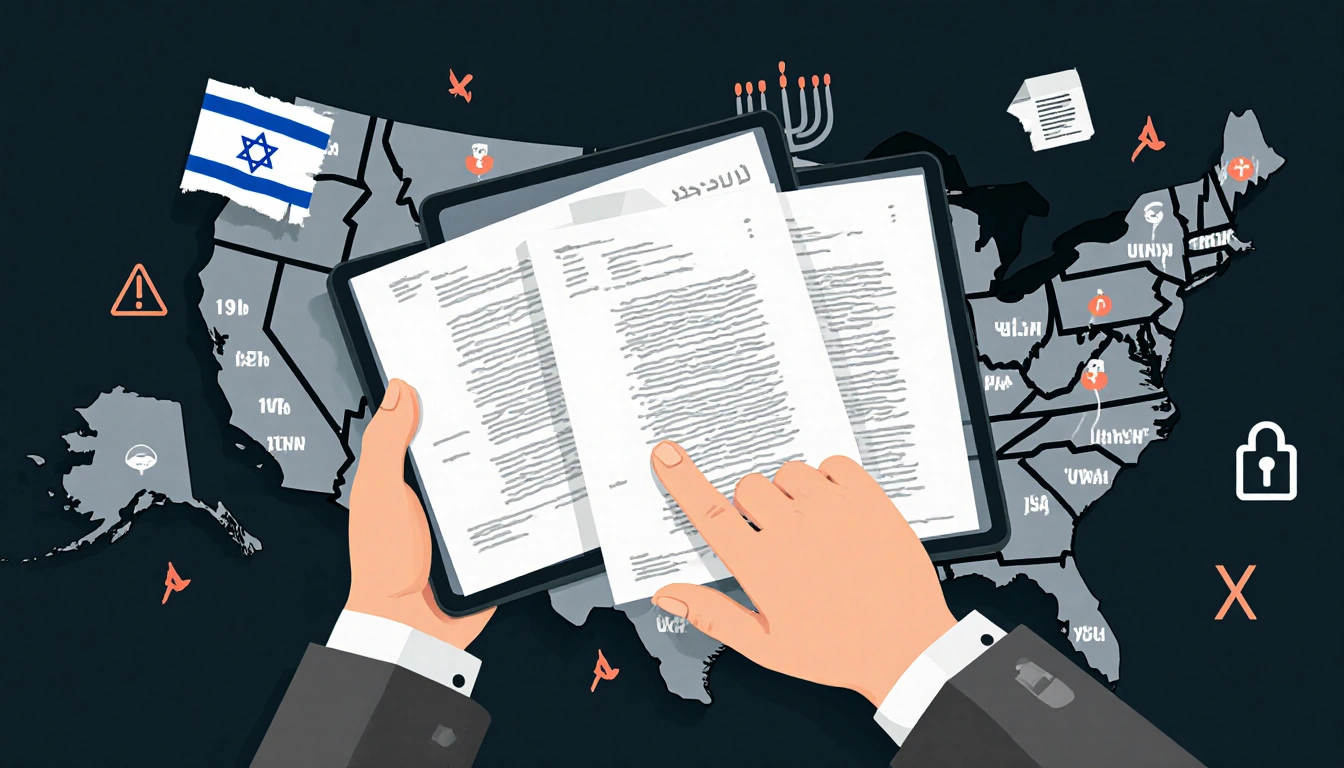
- The plot began in November when Carroll drafted an eight-page handwritten document outlining bombings against U.S. businesses or “Amazon-type” logistical centers. She sent encrypted messages to the others proclaiming “death” to Israel, the U.S. and “colonizers,” according to the complaint.
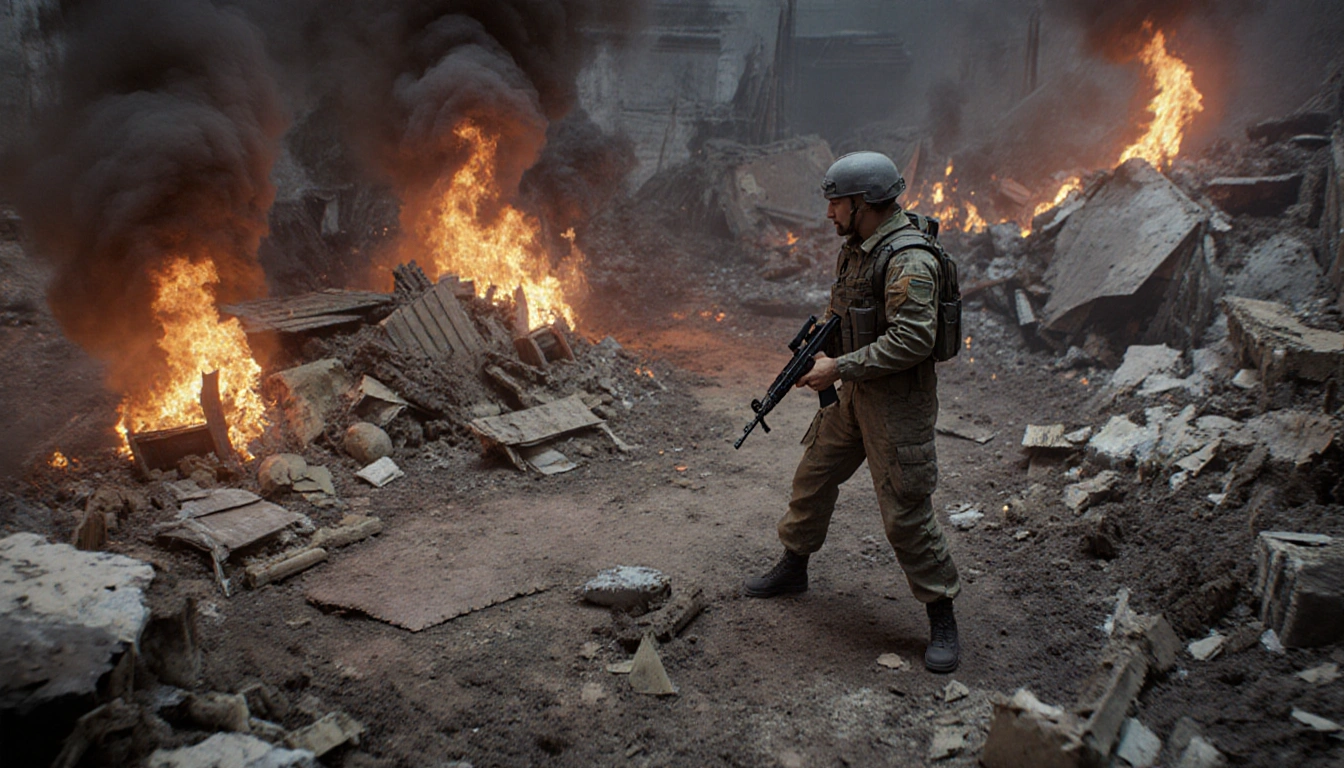
- The group gathered potassium nitrate, sulfur, charcoal, and pipes to make bombs and tested them in the Mojave Desert.
- Prosecutors say the plan involved planting backpacks filled with explosives at multiple businesses to detonate simultaneously at midnight on Dec. 31. They also allegedly planned to target U.S. Immigration and Customs Enforcement agents and vehicles with pipe bombs in January or February, as First Assistant U.S. Attorney Bill Essayli stated.
Legal Consequences
- If convicted, Carroll and Page could face up to life in federal prison; Gaffield and Lai up to 25 years.
- Arrangements: Lai’s arraignment is scheduled for Jan. 2, Carroll and Page are expected to be arraigned three days later (Jan. 5), and Gaffield’s arraignment is scheduled for Jan. 20 in downtown Los Angeles.
Key Takeaways
- Four suspects tied to TILF face federal charges for New Year’s Eve bombings, including terrorism.
- The plot involved explosives in backpacks and potential pipe bombs against ICE.
- Sentences could reach life or 25 years; arraignments are set through January.
The case underscores the federal government’s focus on preventing domestic terrorist attacks planned for major holidays.