At a Glance
- Four astronauts will splash down off San Diego County at 12:41 a.m. Thursday after an unprecedented medical evacuation from the International Space Station.
- This marks the first time in 25 years the station has cut a mission short due to a medical issue while in orbit.
- The crew-NASA’s Mike Fincke and Zena Cardman, Japan’s Kimiya Yui, and Russia’s Oleg Platonov-spent 167 days in space, cutting their stay short by several weeks.
- Why it matters: Southern Californians get a rare front-row seat to a historic space recovery, with local teams leading the capsule retrieval.
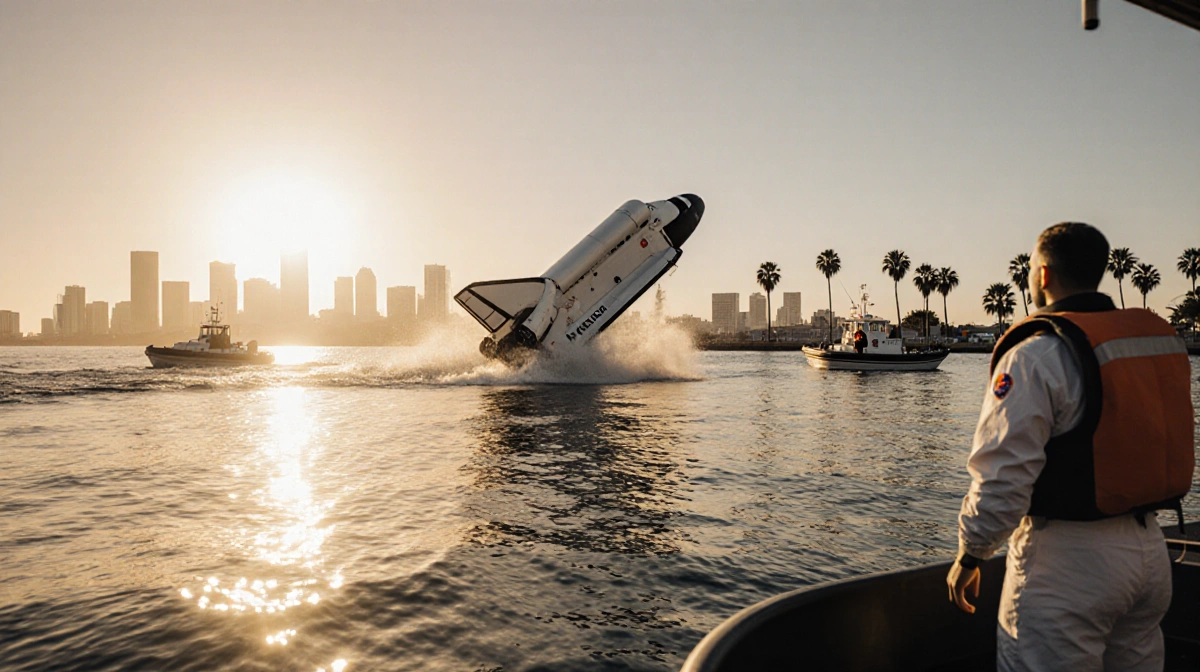
A medical emergency in orbit has forced the first-ever shortened International Space Station mission, sending four astronauts hurtling back to Earth for an overnight splashdown off the San Diego coast.
The SpaceX Crew-11 capsule carrying the U.S.-Japanese-Russian team is on track to hit the Pacific Ocean at 12:41 a.m. Thursday, according to NASA. Live coverage begins at 11:15 p.m. PT on the agency’s stream.
The Evacuation
NASA confirmed the astronaut in question is stable but withheld further details, citing medical privacy. The situation upended the crew’s planned late-February departure, shaving weeks off their science timeline.
Computer models had predicted a medical evacuation once every three years, yet NASA had never faced one across 65 years of human spaceflight-until now.
Journey Home
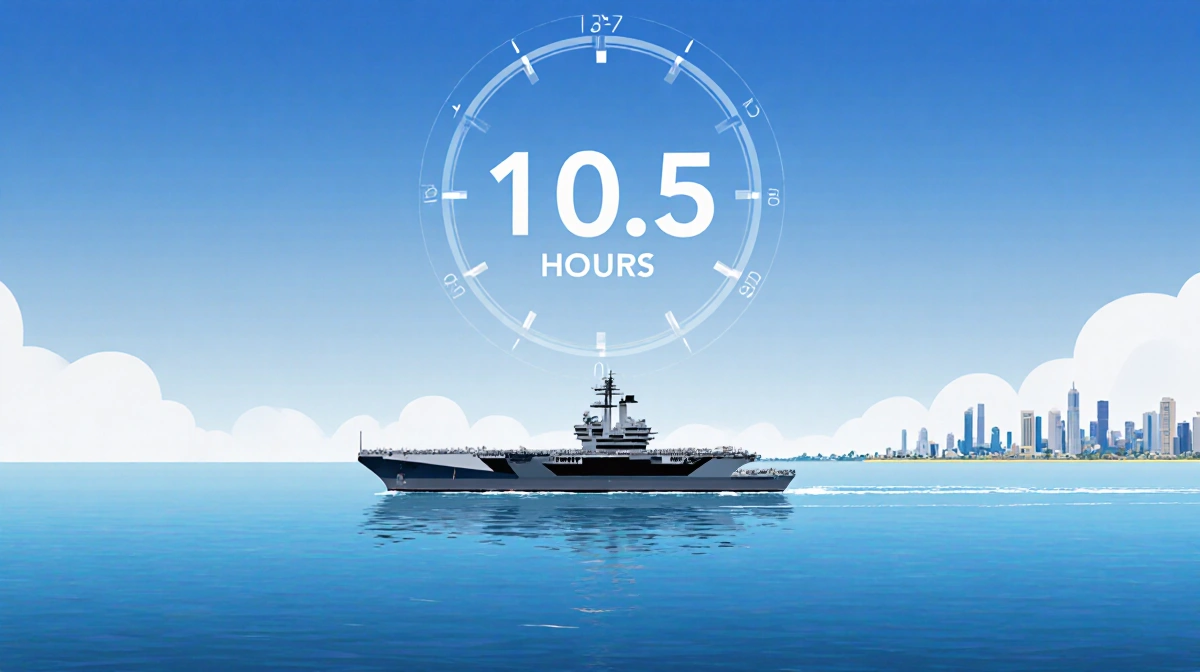
The ride back lasts roughly 10.5 hours. Key milestones:
- 51 minutes before landing: the deorbit burn
- High-altitude drogue chutes deploy first
- Main chutes open lower, slowing the capsule to 25 mph at water impact
David Neville of the San Diego Air and Space Museum explained the choreography: “They determine the weather conditions, the wave conditions, and what everything’s going to be like.”
Two recovery ships will converge on the bobbing spacecraft. One hauls the capsule onto its deck; the second provides extra security.
West-Coast Shift
NASA and SpaceX relocated splashdown operations from Florida to California last April, lured by the Pacific’s vast recovery zone. Jettisoned trunk fragments now fall harmlessly into open ocean instead of risking populated areas.
Recovery crews are headquartered in San Diego, giving locals a direct role in the action. “It really brings it home,” Neville said.
Viewing Tips
The splashdown itself won’t be visible to the naked eye. Neville recommends tuning into the live YouTube feed for the best view.
Looking Ahead
Thursday’s predawn landing sets the stage for next month’s Artemis II launch-the first crewed lunar mission since 1972 and the farthest humans will have traveled from Earth.
Key Takeaways
- A medical first: 25 years of ISS operations, yet never a mission shortened for health reasons-until Crew-11.
- Local pride: San Diego-based teams lead capsule recovery, spotlighting Southern California’s growing space role.
- Quick return: From undocking to splashdown, the astronauts face a 10.5-hour descent ending at 25 mph.
- What’s next: Artemis II looms, promising to push human exploration deeper into space than ever before.