At a Glance
- Chinese check-in app that asks users to confirm daily they are alive is now called Demumu
- The 99-cent utility has surged to No. 2 on Apple’s app-store Utilities chart
- Some fans miss the blunt English name and suggest alternatives like “Are you there”
- Why it matters: Solo dwellers worldwide gain a low-cost digital safety net that alerts a chosen contact after missed check-ins
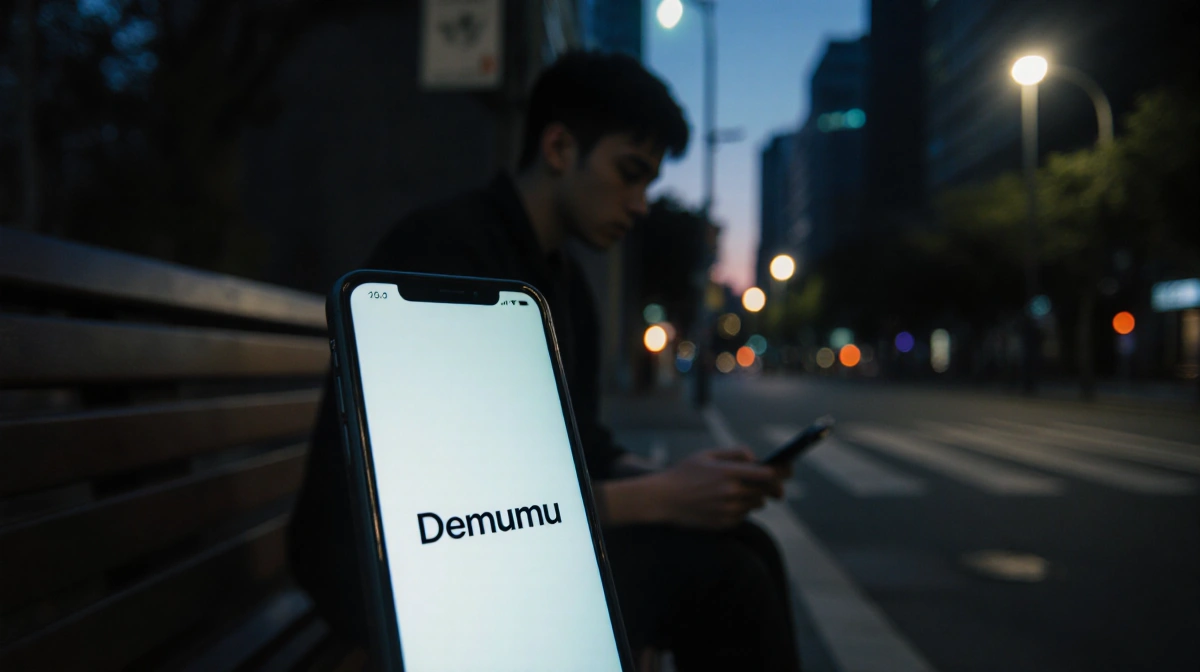
A smartphone utility that went viral for bluntly asking users “Are you dead?” each day has quietly changed its global name to Demumu. The rebrand, announced on January 13, 2026, keeps the same life-confirmation routine that turned the Chinese-built app into a breakout hit.
From Sileme to Demumu
The app began life in Mandarin as “Sileme,” literally “Are You Dead?” in English, according to Reuters and CBS News coverage cited by News Of Los Angeles. Users must open the app daily and tap to prove they are still alive. Miss several check-ins in a row and the software automatically dispatches a warning message to a pre-selected emergency contact, CNN reported.
Company officials said the new label will accompany the next software release as the product expands beyond China. “Moving forward, Demumu will remain steadfast in its founding mission of safeguarding safety, bringing China-originated protection solutions to the world and serving more solitary individuals globally,” the firm said in a statement released Tuesday and carried by CBS News.
Fan Backlash Over Name Change
Not everyone applauds the switch. On China’s Twitter-like Weibo platform, commenters told News Of Los Angeles the rebrand “loses its flavor.” Suggested alternatives that keep the morbid humor include:
- “Are you alive”
- “Are you online”
- “Are you there”
One poster conceded conservative users might balk at the original phrasing yet praised the safety angle: “It will make us unmarried people feel more at ease to spend our lives.”
App-Store Surge
Costing 99 cents to download, Demumu currently sits at No. 2 among Apple’s Utilities apps. Its App Store pitch frames the tool as “a lightweight safety tool crafted for solo dwellers” that builds “invisible safety protection” around anyone living alone. The listing targets:
- Solo office workers
- Students living away from home
- Anyone choosing a solitary lifestyle
How the Check-In Works
- User downloads Demumu and picks an emergency contact.
- The app prompts a daily confirmation-effectively “Are you dead?”
- If the user skips multiple consecutive check-ins, the contact receives an automated alert.
- No response from the contact triggers no further action; the app simply keeps the safety net in place.
The company has not disclosed how many missed days trigger the message, nor how many users have signed up since the global rollout began.
Global Rollout Timing
The rebrand news landed two days before the January 15, 2026 publication date of the Amanda S. Bennett report for News Of Los Angeles. International users started noticing the name change over the prior weekend as Apple’s storefronts outside China refreshed metadata.
Price Point and Category
At under a dollar, Demumu undercuts many subscription-based safety services. Rivals in the Utilities chart typically charge monthly fees for fall-detection or location-sharing features. Demumu’s one-time purchase model may help explain its rapid climb to the second spot.
User Sentiment Split
Comments gathered by Reuters and CBS show a split reaction:
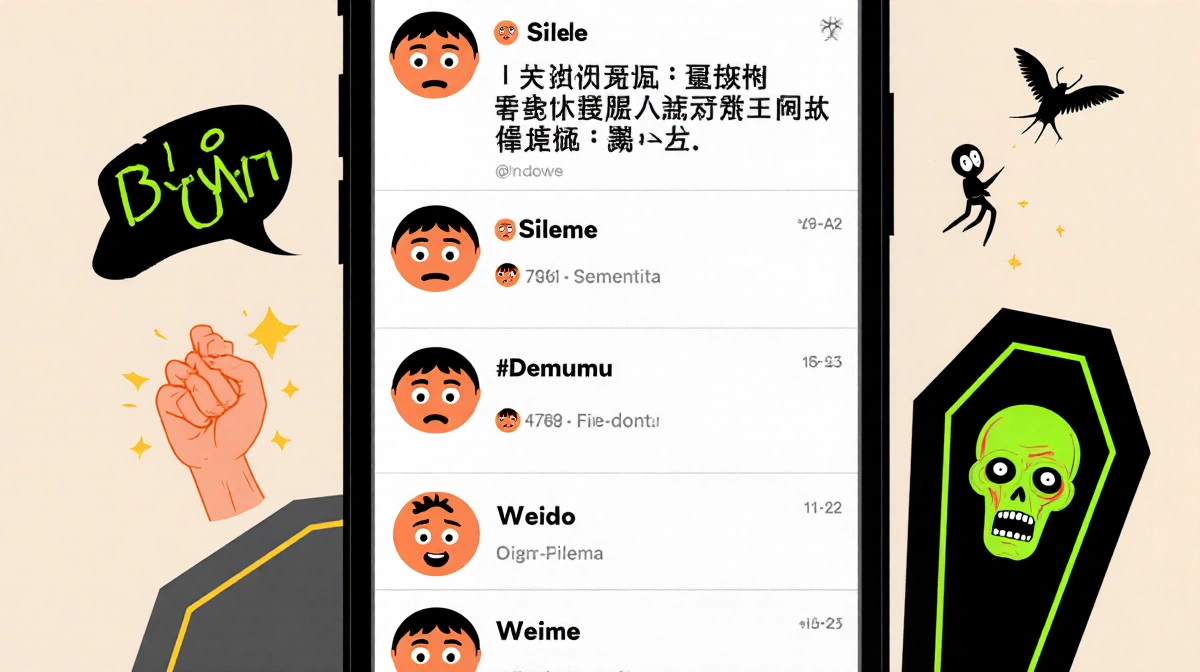
- Some miss the macabre honesty of “Are You Dead?”
- Others welcome a less alarming name they can share with parents or coworkers
- A contingent simply wants the app to work, regardless of branding
One Weibo user summarized the pragmatic view: “Maybe some conservative people can’t accept it, but it is helpful for safety purposes.”
Company Silence on Numbers
The developer has not released download figures, retention rates, or how many emergency messages have been sent since launch. Similarly, no timeline has been given for an Android version; the app remains iOS-only for now.
Key Takeaways
- The app once known as “Are You Dead?” is now Demumu everywhere.
- Daily check-ins remain mandatory; miss too many and your chosen contact gets notified.
- The 99-cent utility has become the No. 2 Utilities app on Apple’s store.
- Fans debate the name change online, but the core safety mission stays unchanged.