At a Glance
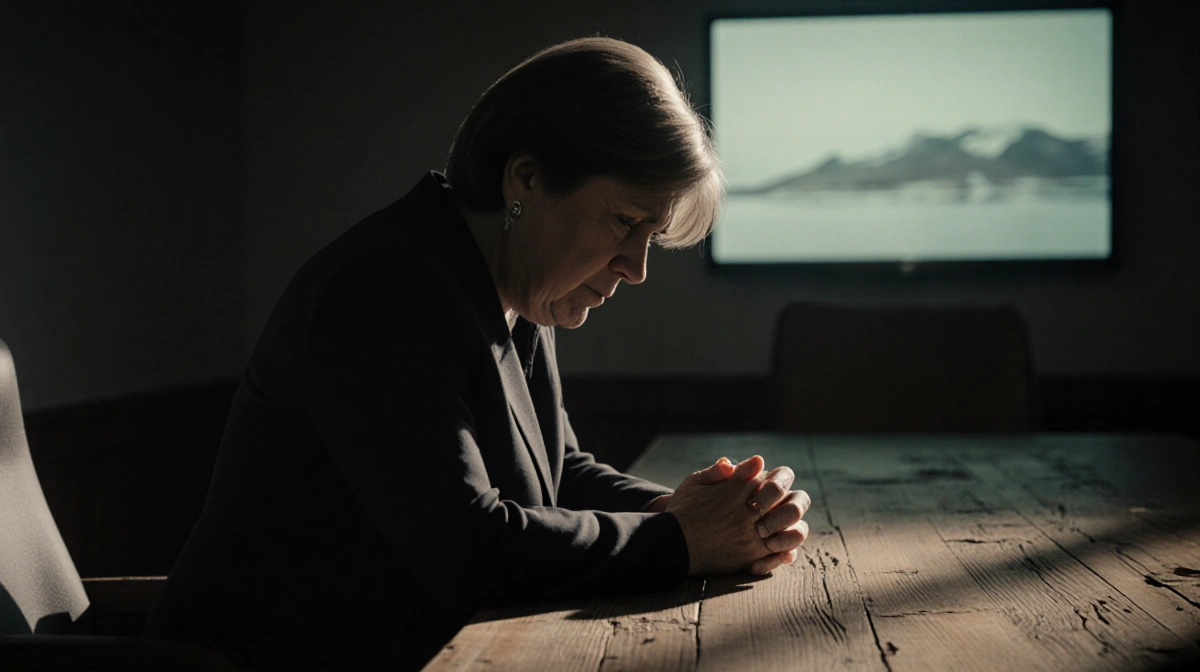
- Greenland Foreign Minister Vivian Motzfeldt broke down during a live interview after White House talks failed to halt President Trump’s push to take the territory.
- Only 17% of Americans support the acquisition, according to a fresh Reuters/Ipsos poll released January 13, 2026.
- Danish and Greenlandic leaders left Washington without changing the U.S. position, with Trump saying control of the island is “psychologically important.”
Why it matters: The standoff strains NATO ties and raises questions about U.S. respect for allied sovereignty.
Greenland’s top diplomat openly wept on camera Wednesday after a tense White House session failed to stop President Donald Trump’s drive to seize the Arctic island, underscoring the emotional toll of the diplomatic crisis.
Vivian Motzfeldt, 53, had just finished talks alongside Danish Foreign Minister Lars Løkke Rasmussen, 61, with Vice President JD Vance and Secretary of State Marco Rubio. The pair flew to Washington hoping to cool months of escalating rhetoric from Trump, who has floated military action to bring the self-governing territory under U.S. control.
Talks Yield No Movement
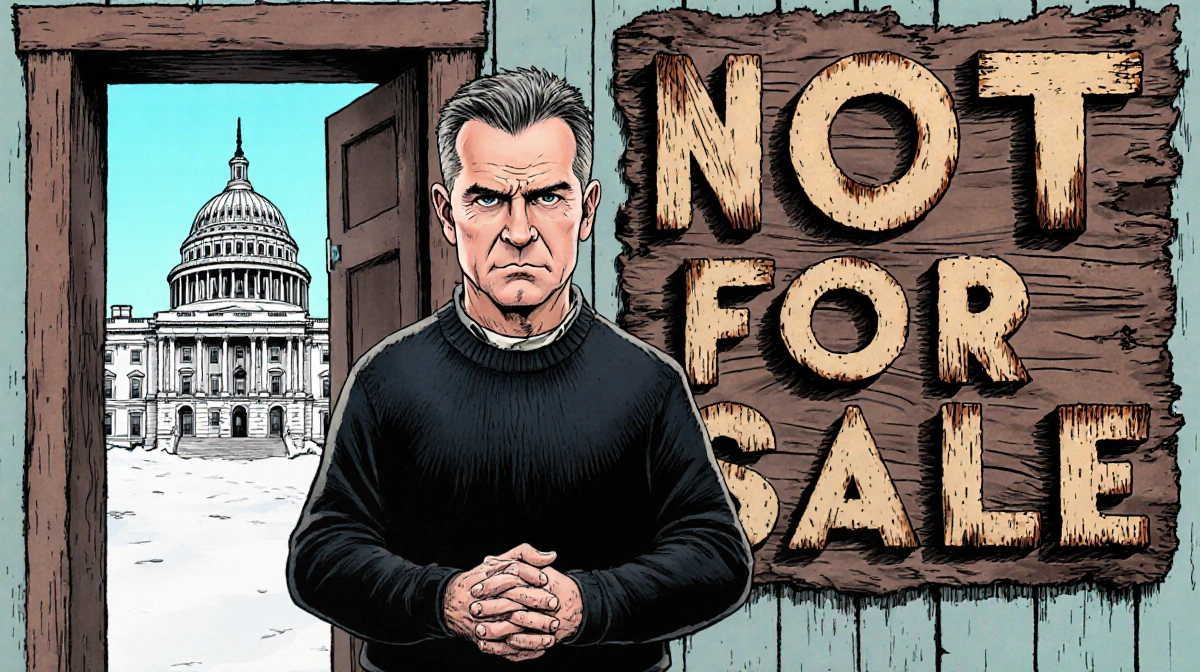
Rasmussen told reporters the message delivered inside the West Wing was blunt: Greenland is not for sale.
“We didn’t manage to change the American position,” he said, according to Politico. “It’s clear that the president has this wish of conquering over Greenland. We made it very, very clear that this is not in the interest of the Kingdom.”
The meeting ended without a joint statement or apparent concessions, leaving Greenland’s delegation to face cameras in downtown Washington just hours later.
Emotional Interview
During a live hit with Kalaallit Nunaata Radio, Motzfeldt struggled to maintain composure.
“We have been working very hard in our department, even though there are not many of us,” she said, her voice cracking. “I would not normally like to say these words, but I will say them: We are very strong. We are doing our utmost. But the last days, naturally… Oh, I am getting very emotional. I am overwhelmed.”
She paused, wiped her eyes, then continued: “The last days have been tough. Our preparations and the increasing pressure that has been intense. But I want to say, we are strong in the government. The work is to ensure the Greenlandic people in our country can feel safe and live securely. We are using all our strength to achieve this as we continue the work.”
The raw moment quickly circulated on social media, with clips subtitled by Clash Report racking up thousands of views within minutes.
Americans Reject Takeover
The emotional display unfolded as fresh data show U.S. voters overwhelmingly oppose the idea.
A Reuters/Ipsos poll conducted through January 13, 2026 found:
- Only 17% of Americans back Trump’s effort to acquire Greenland.
- 66% worry the move would damage NATO and U.S.-Europe relations.
- 91% of Democrats hold that concern.
- 40% of Republicans share it.
The survey did not specify alternative policies, but opposition spanned party lines.
Trump Doubles Down
The president has repeatedly framed Greenland as a national-security imperative, arguing Denmark cannot defend its own territory.
During a two-hour New York Times interview on January 7, 2026, Trump said outright ownership is “psychologically important” to him, not merely an expanded military footprint.
“There’s not a thing that Denmark can do about it if Russia or China wants to occupy Greenland,” he told the paper. “But there’s everything we can do, we found that out last week with Venezuela. I can’t rely on Denmark being able to fend themselves off.”
The comments rattled Copenhagen and Nuuk alike. Greenland, population 57,000, controls its own domestic affairs while Copenhagen handles foreign policy and defense under the Kingdom of Denmark.
NATO Implications
Both Danish and Greenlandic officials stress the island hosts key NATO radar stations and sits astride shipping lanes opening as Arctic ice recedes. They warn unilateral U.S. action could fracture allied unity at a moment Russia is prosecuting war in Ukraine and China eyes polar resources.
Rasmussen reiterated that point after leaving the White House, telling Danish TV 2 that “a forced acquisition would be met with the strongest response from the entire Kingdom and, I believe, from our European partners.”
What Comes Next
Neither side announced follow-up meetings. The State Department declined to release a readout, referring questions to the vice president’s office, which offered no further details.
For her part, Motzfeldt said she will head home Thursday to brief Greenland’s parliament, the Inatsisartut, on the outcome.
“We will keep working,” she told KNR, composing herself. “We owe that to our people.”
Key Takeaways
- The White House refused to back off Trump’s demand for Greenland, leaving Danish and Greenlandic ministers empty-handed.
- Public opinion in the U.S. runs nearly 5-to-1 against the takeover, complicating any congressional or diplomatic push.
- Emotional fallout is visible at the highest levels, as Greenland’s foreign minister wept on-air while describing the pressure on her government.
- NATO cohesion hangs in the balance if the administration moves from rhetoric to concrete steps.