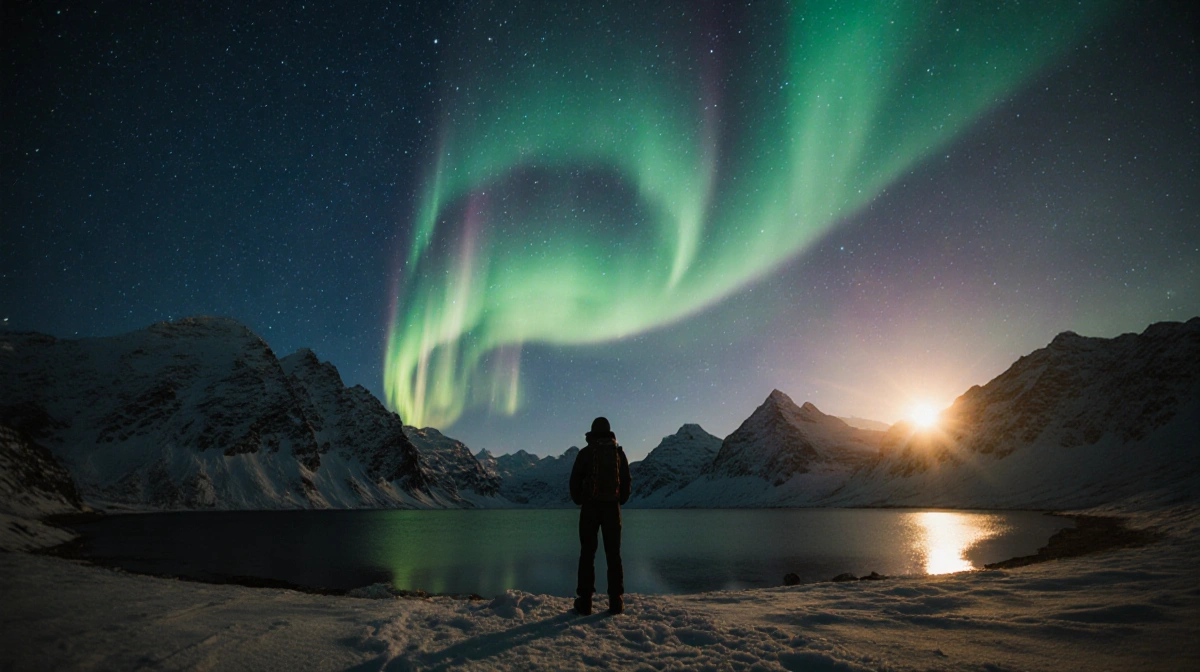
A fresh surge of solar energy is racing toward Earth and could ignite auroras across up to 15 northern U.S. states late Friday night into early Saturday.
At a Glance
- NOAA forecasters expect a minor G1 geomagnetic storm late Jan. 16 through early Jan. 17
- Clear, dark skies increase visibility odds; a waning crescent moon means minimal light interference
- Best views predicted for northern-tier states, with chance of lights pushing farther south if activity intensifies
- Why it matters: Weekend stargazers could witness a rare northern-lights display without leaving the Lower 48
The incoming solar storm is the result of a recent solar flare and fast-moving solar winds. When charged particles from the sun collide with gases in Earth’s upper atmosphere, they trigger the aurora borealis-rippling curtains of green, pink, and violet light that dance across the sky.
According to the National Oceanic and Atmospheric Administration’s Space Weather Prediction Center, Earth is on the receiving end of a minor (G1) geomagnetic storm. If the solar wind speed climbs higher, the storm could strengthen to G2 (moderate) levels, widening the auroral oval and dragging the lights southward.
When to Look Up
Peak activity is expected between late Friday evening, Jan. 16, and the predawn hours of Saturday, Jan. 17. The moon will be a thin waning crescent, only days from the new moon on Jan. 18, so skies will be especially dark-ideal for spotting even faint auroras.
Space-weather forecasts can shift quickly; sky watchers should remain flexible and check NOAA updates throughout the evening.
Where the Lights Could Appear
| Storm Level | Visible States |
|---|---|
| G1 (Minor) | Northern Montana, North Dakota, northern Minnesota, Michigan’s Upper Peninsula |
| G2 (Moderate) | Adds Wisconsin, Washington, Idaho, northern Iowa, northern Illinois |
| Stronger Pulse | Faint glows possible in northern Wyoming, upstate New York, Vermont, New Hampshire |
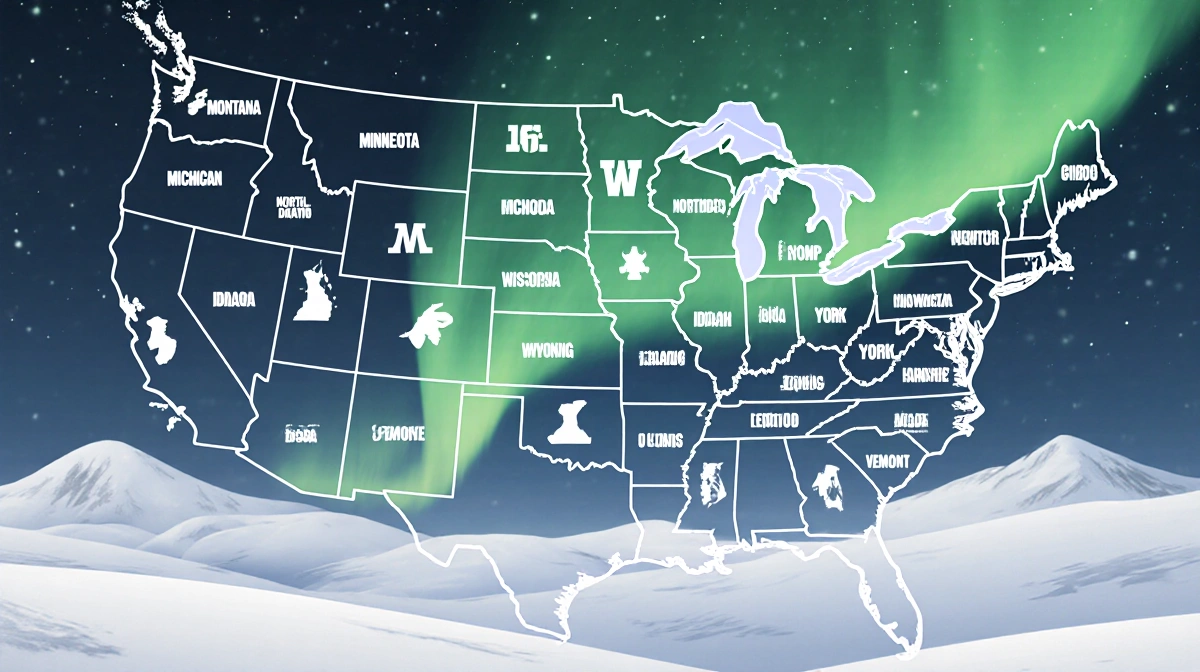
Overall, the states with the strongest odds include Alaska, Washington, Idaho, Montana, North and South Dakota, Minnesota, Wisconsin, Michigan, and Maine. Cloud-free, rural locations away from city lights offer the best seats in the house.
How to Watch
Face north and give your eyes at least 20 minutes to adjust. Auroras can appear as pale gray or greenish arcs to the naked eye; only cameras reveal the vivid colors often seen in photos. Patience is essential-displays can surge and fade within minutes.
How to Photograph the Show
You don’t need professional gear to capture the moment:
- iPhone: Turn on Night Mode, disable flash, and brace the phone against a solid surface or tripod
- Android: Switch to Pro Mode, set ISO 800-3200 and exposure to 5-15 seconds
- DSLR: Use a wide-angle lens, tripod, ISO 1600-3200, and 10-25-second exposures
Key Takeaways
A G1-level solar storm is minor on the space-weather scale, but it’s enough to push the northern lights into the continental United States this weekend. Clear skies, dark rural locations, and a cooperative geomagnetic field could deliver a memorable light show from the Pacific Northwest to the Great Lakes and northern New England. If conditions align, photographers and casual observers alike could bag a once-in-a-lifetime sight without booking a trip to the Arctic Circle.