At a Glance
- Ted Bundy wrote dozens of letters to cousin Edna Martin from Florida’s death row
- He signed every note “Love, Ted” while insisting he had “no guilt, remorse, or regrets”
- Martin, 74, shares the correspondence in Oxygen’s Love, Ted Bundy, airing Feb. 15 at 6 p.m. ET/PT
- Why it matters: The documentary offers a rare, intimate look at how Bundy manipulated even those closest to him
Edna Martin never expected a reply when she mailed her first letter to cousin Ted Bundy on Sept. 9, 1980. She simply wanted his take on Ann Rule’s newly released book The Stranger Beside Me. Within weeks a beige envelope arrived. Inside, Bundy called the bestseller “full of falsehoods and half-truths” and said her note had brightened a bleak stretch behind bars. That exchange opened a years-long correspondence in which the man who confessed to murdering more than 30 women in the 1970s both sought comfort from-and coldly patronized-the relative who once trusted him “wholeheartedly.”
The First Letter
Martin, then a University of Washington student, addressed her inaugural note to the Florida State Prison cell where Bundy awaited execution for the Chi Omega sorority attacks and the rape and murder of 12-year-old Kimberly Leach. She asked about the book’s accuracy and whether he felt any remorse. Bundy’s reply mixed familiarity with deflection.
“He said he was excited to hear from me,” Martin tells News Of Los Angeles. “He called the five years since we’d last seen each other ‘BC-before court, cops-and AD, after damnation.'”
The two had grown close during Martin’s college years. Bundy, five years her senior, worked on Governor Dan Evans’s reelection campaign and often arrived at campus hangouts “with a bag of food,” she recalls. “We were starving students. Ted was engaging, sparkly-eyed, a great storyteller. We saw him as successful.”
A Deliberate Pen-Pal Campaign
After that first reply, Martin continued writing. She hoped candor might coax a confession-or at least an explanation-from the cousin who once danced with her friends at dorm parties.
- She asked why he developed “deep rage and hatred”
- She pressed for details about the Pacific Northwest attacks
- She reminded him of their shared history
Bundy rarely answered directly. Instead he quoted Scripture, chided her for “accusations,” and insisted, “I have not killed anyone.” In one letter he wrote: “You don’t know me anymore. Get to know yourself first before you can know me.”
Martin says the tone felt “patronizing,” yet every envelope ended the same way: “Love, Ted.”
“No Guilt, Remorse, or Regrets”
The correspondence continued through appeals, interviews, and Bundy’s final days. Martin saved each page, even as his defiance hardened.
Key passages she highlights in the documentary:
- “I won’t disregard your accusations completely…but I will say this much, I have not killed anyone”
- “I have no guilt, remorse, or regrets over anything I’ve done”
- A Bible verse citation after each denial
Martin, now 74 and an insurance broker in Washington State, reads the quotes with steady disgust. “Ted was two people,” she says. “One to family and friends, something terrifyingly different to his victims. He never took the mask off with me.”
Final Letter, Final Day
Bundy’s last note arrived shortly before January 24, 1989, the day Florida executed him at Raiford Prison. Again he signed off: “Love, Ted.” Martin has kept every letter, envelope, and Polaroid she sent him, evidence of a bond she once believed could save lives.
Her memoir Dark Tide: Growing Up With Ted Bundy, released July 2024, expands on the relationship. The Oxygen special Love, Ted Bundy weaves those prison writings into a timeline of manipulation, showing how Bundy wielded charm even while shackled.
Inside the Documentary
Love, Ted Bundy premieres Sunday, Feb. 15 at 6 p.m. ET/PT. Producers pair Martin’s recollections with photocopies of the letters, allowing viewers to see Bundy’s tidy cursive and casual sign-offs. The contrast between affectionate language and brutal crimes forms the film’s emotional core.
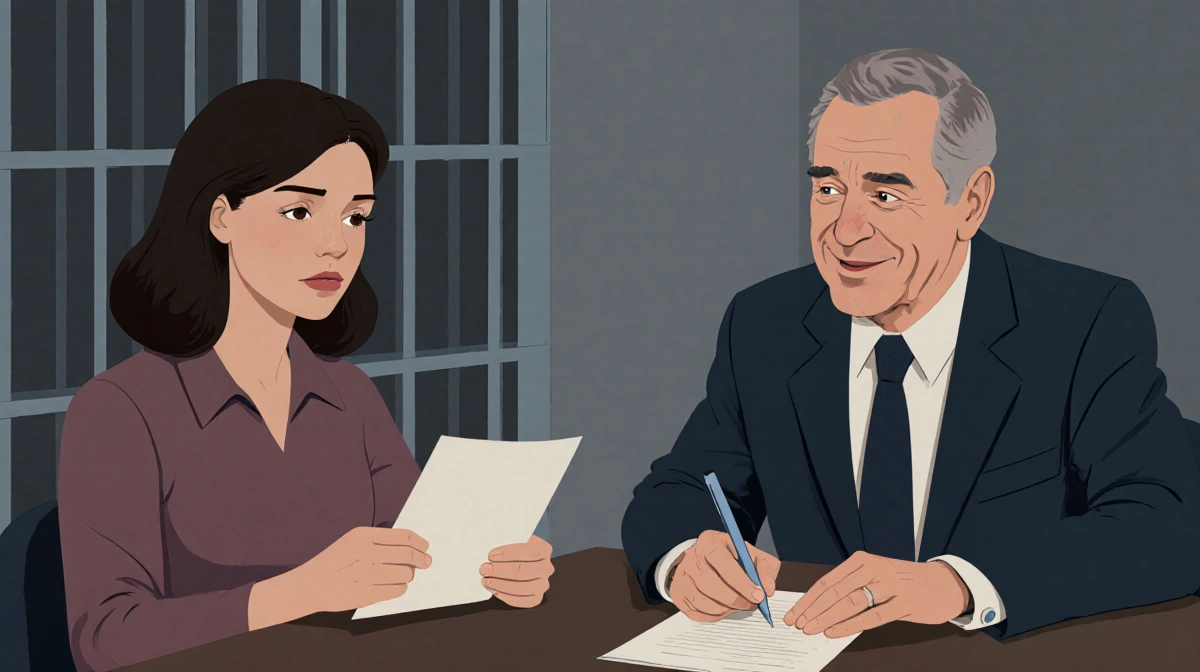
Martin hopes the project warns others about charismatic predators. “I trusted him,” she says. “That’s what made the revelation so incredibly shocking.”
Key Takeaways
- Bundy used family ties to maintain a façade of normalcy
- Every letter balanced warmth with refusal to admit guilt
- Martin’s persistence illustrates the agonizing search for answers faced by those left behind
The documentary airs once, but Martin says the lesson endures: “Monsters don’t always look monstrous.”