At a Glance
- A 1990s feature Starfleet Academy would have shown Kirk, Spock and McCoy as rival cadets
- Creator Gene Roddenberry slammed the concept as “Police Academy”-level bad
- Studio killed the project to squeeze out one more original-cast film instead
- Why it matters: It shows how talent costs and fan expectations can derail a reboot before cameras roll
Paramount once planned to send Captain Kirk, Spock and Dr. McCoy back to school, but creative brawls and studio cold feet left the would-be prequel Starfleet Academy on the launch pad, Marcus L. Bennett reported for News Of Los Angeles.
The idea surfaced after 1989’s Star Trek V: The Final Frontier, when producer Harve Bennett faced the recurring headache of wrangling the aging ensemble. “Every time they were going to make one of these Star Trek movies, the producers and the studio always ran into the same problem in getting the original cast together,” screenwriter David Loughery told the outlet. “The reasons for that were money, power, creative differences, ego, health, unavailability… all of those things.”
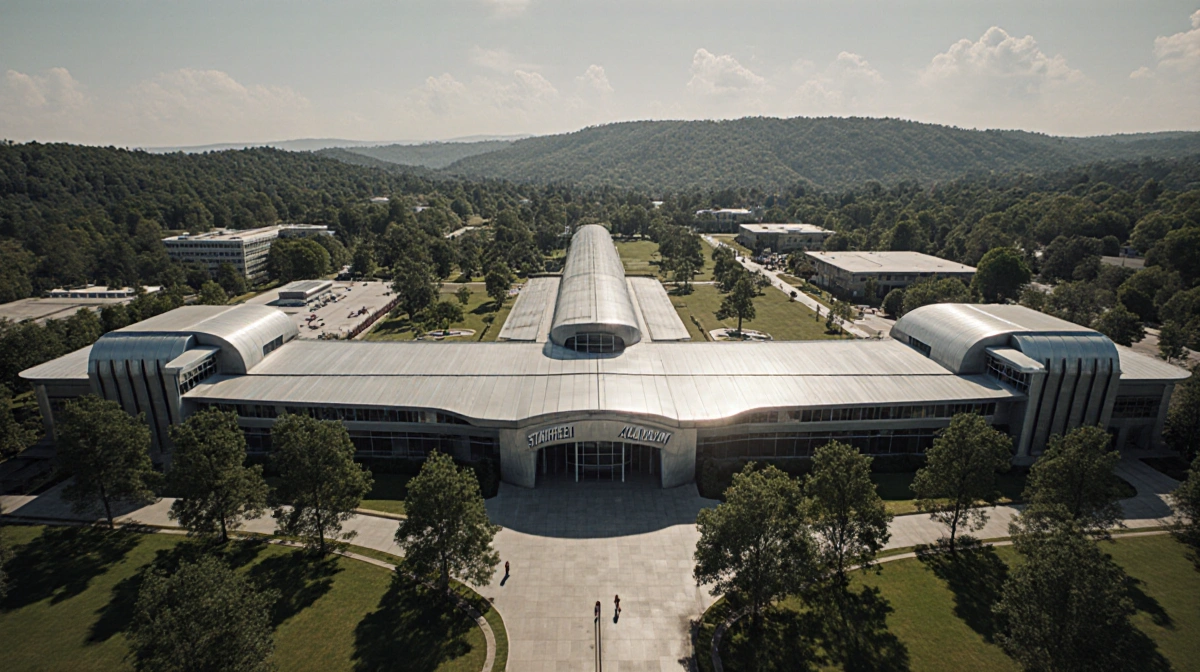
Campus Set in Huntsville, Alabama
Producer Ralph Winter pitched a solution: recast the icons as teenagers at Starfleet Academy, tracking how the future bridge crew met and clashed. “We’d just demonstrated with Star Trek III that we could do a young Spock,” Winter said. “We should see how these guys meet the first time… build something that would be a reboot of this with younger characters to pick up with when these older characters don’t want to do this as much.”
Bennett approved the concept and Loughery crafted a coming-of-age screenplay. Key story beats included:
- Rival freshmen Kirk, Spock and McCoy forced to share a dorm quad
- A campus set in Huntsville, Alabama, doubling for the futuristic academy
- A finale that reveals the legends they will become
Roddenberry’s Rejection
Series creator Gene Roddenberry refused to endorse the prequel. “It wasn’t good. Some of it was like Police Academy,” he told Woman’s World. His disapproval carried weight; studio executives and segments of fandom echoed the skepticism. Fans, per Loughery, dismissed it as “a sort of spoof or a takeoff.”
Studio Math: One More Paycheck vs. Full Recast
Despite the backlash, Bennett saw Starfleet Academy as a dual win: a 25th-anniversary gift to loyalists and a launchpad for fresh faces. “Part of the deal was for us to do a Star Trek VI, with the original cast after Starfleet Academy,” he said, framing the prequel as additive, not replacement, content.
William Shatner defended Bennett’s motive, noting the producer was “striving to find an answer for the studio’s question: ‘Are these guys too old to continue?'”
The studio ultimately chose the safer bet-one more voyage with the proven crew. “They started to think that they could squeeze one more Star Trek with the original cast,” Loughery recalled. After Star Trek VI: The Undiscovered Country wrapped, the Academy concept quietly dissolved.
Winter still believes the prequel could have worked. “When Star Trek: The Next Generation came out, people said this will never work,” he noted. “But they achieved their own success. It could have been the same with a prequel cast.”
Key Takeaways
- Budget fears and Roddenberry’s veto doomed a Kirk-Spock-McCoy origin story
- The shelved film has no connection to Paramount+’s upcoming Star Trek: Starfleet Academy series
- Studio chose nostalgia over reinvention, a choice that echoes today’s franchise reboot debates