At a Glance
- President Trump told Detroit audience Chinese and Japanese automakers are welcome to build U.S. factories
- BYD overtook Tesla in 2025 to become the world’s largest EV company
- Ford is already exploring a potential partnership with BYD
- Why it matters: A BYD U.S. plant could reshape American EV competition and pricing
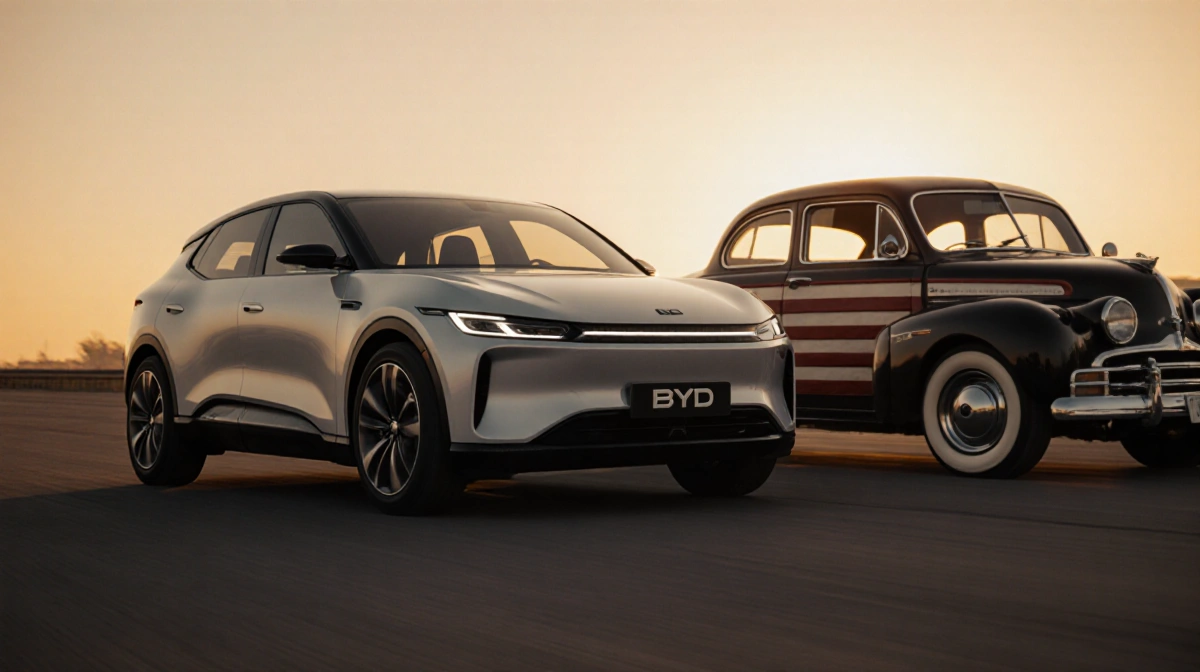
President Donald Trump opened the door for China’s top electric-vehicle maker, BYD, to manufacture on American soil, signaling a potential shift in U.S. auto policy and intensifying pressure on domestic rivals.
Speaking in Detroit on Tuesday, Trump said Chinese and Japanese car companies are invited to establish factories in the United States. The remark came as BYD-which displaced Tesla as the world’s leading EV producer last year-explores closer ties with Ford Motor.
Trump Extends Factory Invitation
“If they want to come in, they’re welcome,” Trump told the crowd, referring to Asian automakers. The comments mark a notable departure from earlier tariff-heavy rhetoric and could pave the way for BYD to sidestep future import duties by assembling vehicles domestically.
No formal agreements have been announced, but the overture aligns with Ford’s reported discussions about partnering with BYD on battery technology and vehicle platforms.
BYD’s Global Surge
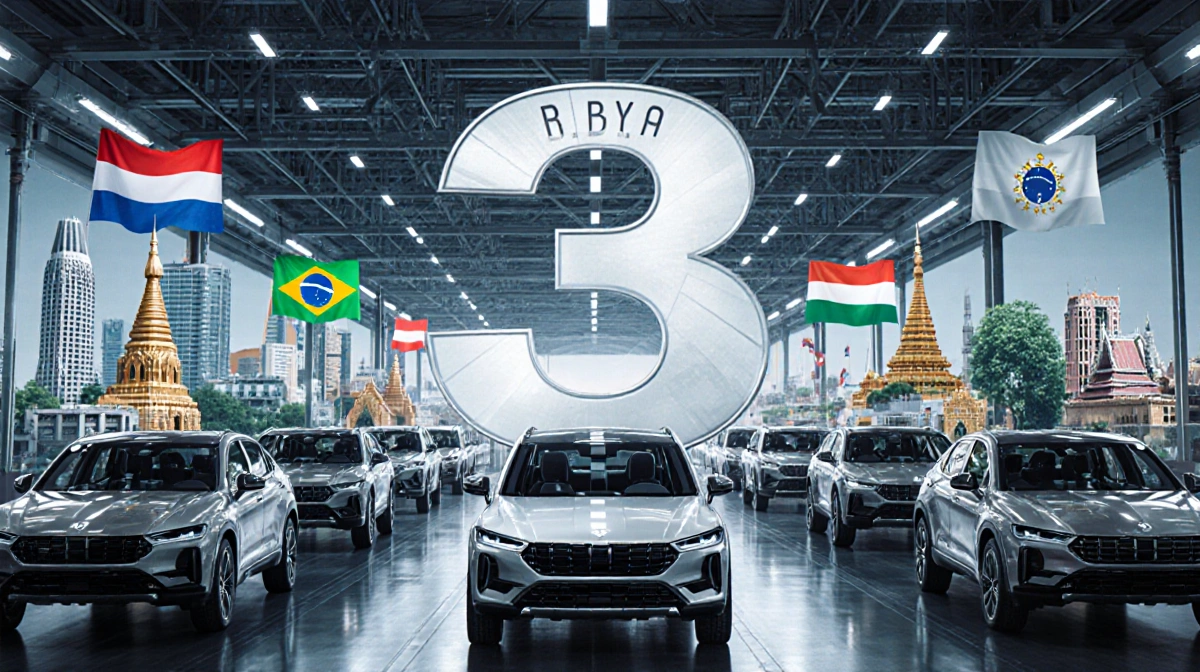
BYD delivered more than 3 million electrified vehicles in 2025, surpassing Tesla for the first time and claiming the global sales crown. The Shenzen-based company now operates plants in China, Brazil, Hungary, and Thailand, exporting to Europe, Southeast Asia, and Latin America.
A U.S. assembly site would give BYD direct access to the world’s second-largest car market while blunting criticism that Chinese firms avoid American labor standards.
Ford Partnership Talks
Ford CEO Jim Farley has publicly praised BYD’s low-cost battery chemistry and vertical integration. Sources familiar with the discussions told News Of Los Angeles that exploratory talks center on sharing lithium-iron-phosphate packs for Ford’s next-generation affordable EVs.
Any deal would likely require federal approval under the current Committee on Foreign Investment in the United States review process, given BYD’s Chinese ownership.
Industry Implications
An American BYD plant would:
- Increase competition for Tesla, GM, and Stellantis in the sub-$40,000 EV segment
- Potentially lower battery costs for Ford through joint procurement
- Create manufacturing jobs in states eager for auto investment
- Test the Biden administration’s stance on Chinese tech transfer
Political Backdrop
Trump’s invitation arrives as Congress debates extending consumer EV tax credits and tightening eligibility rules. Domestic-content requirements could favor vehicles assembled in North America, making a BYD-U.S. factory strategically attractive.
The former president has not specified whether incentives would apply to Chinese-branded cars built locally, leaving key policy details unresolved.
Market Reaction
Ford shares rose 2.4% in after-hours trading following Trump’s remarks, while Tesla slipped 1.1%. BYD’s over-the-counter stock, BYDDF, gained 3% as investors weighed the revenue upside of American production.
Key Takeaways
- Trump’s public invitation lowers political risk for BYD expansion into the U.S.
- Ford’s existing talks could accelerate if tariff waivers are granted
- Domestic production may help BYD qualify for federal EV incentives
- Competition in the affordable-EV space is set to intensify, pressuring legacy automakers to cut costs