At a Glance
- A high-speed train derailed and crashed into an oncoming train near Córdoba, Spain, killing 21 people.
- 73 passengers were injured and taken to six different hospitals.
- The crash occurred on a flat, recently renovated stretch of track.
- Why it matters: The disaster raises urgent questions about safety on Spain’s popular high-speed rail network.
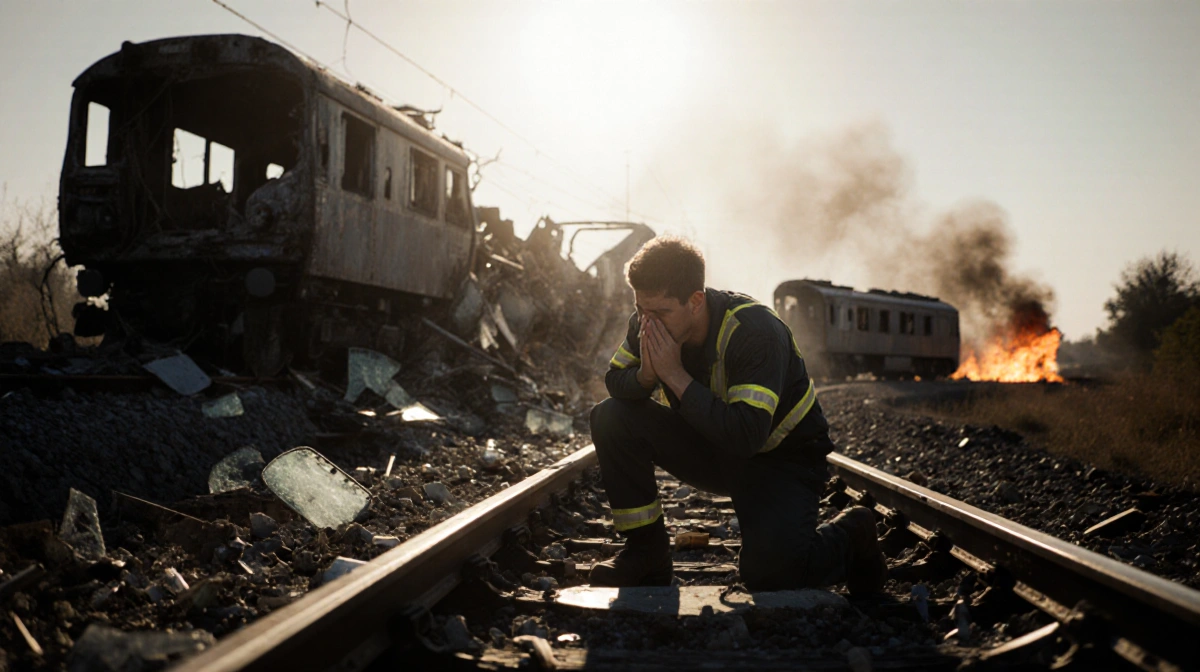
A high-speed train derailed and slammed into an oncoming train near Córdoba in southern Spain on Sunday evening, killing 21 people and injuring 73 others, according to Spain’s transport minister.
The accident happened at 7:45 p.m. local time when the tail end of a train traveling from Malaga to Madrid with about 300 passengers jumped the tracks. The derailed section crashed into a second train heading from Madrid to Huelva carrying roughly 200 passengers, rail operator Adif confirmed.
Death Toll and Rescue Efforts
Spain’s Transport Minister Óscar Puente confirmed the death toll reached 21 after rescue teams removed all survivors from the wreckage. He warned the number could still rise as officials complete their search.
The impact knocked the first two carriages of the Renfe train down a four-meter (13-foot) slope, causing severe damage. Firefighter chief Francisco Carmona described one train as “badly mangled,” with at least four wagons off the rails.
María Belén Moya Rojas, regional Civil Protection chief, told Canal Sur the crash site is difficult to access, complicating rescue efforts. Hundreds of survivors were extracted in darkness, with local residents providing blankets and water to victims.
Cause Still Unknown
Puente called the incident “truly strange” because it occurred on a flat stretch of track renovated in May. The derailed train, operated by private company Iryo, was less than four years old.
The rear of the Iryo train struck the front of the Renfe train, causing the worst damage to the Renfe’s lead carriages. Puente said investigators have not determined the cause and estimated the inquiry could take a month.
Iryo issued a statement saying it “deeply lamented what has happened” and is cooperating with authorities.
Eyewitness Accounts
Salvador Jiménez, a journalist on board one of the trains, told RTVE the crash felt like an earthquake. Passengers used emergency hammers to break windows and escape. Videos show people crawling out of tilted carriages.
Antonio Sanz, Andalusia’s regional health chief, said the situation was “very serious” and warned of a “very difficult night ahead.”
Service Disruptions and Response
Adif suspended all train services between Madrid and Andalusian cities on Monday. Spain’s military emergency units and the Red Cross joined rescue operations.
European Commission President Ursula von der Leyen posted on X: “Tonight you are in my thoughts,” writing in Spanish.
High-speed trains are a common travel method across Spain, operating on an extensive national network.
Key Takeaways
- 21 confirmed dead, 73 injured in Spain’s worst train crash in years
- Crash happened on recently upgraded track with modern rolling stock
- Full service suspension between Madrid and Andalusia on Monday
- Investigation timeline: up to 30 days for initial findings