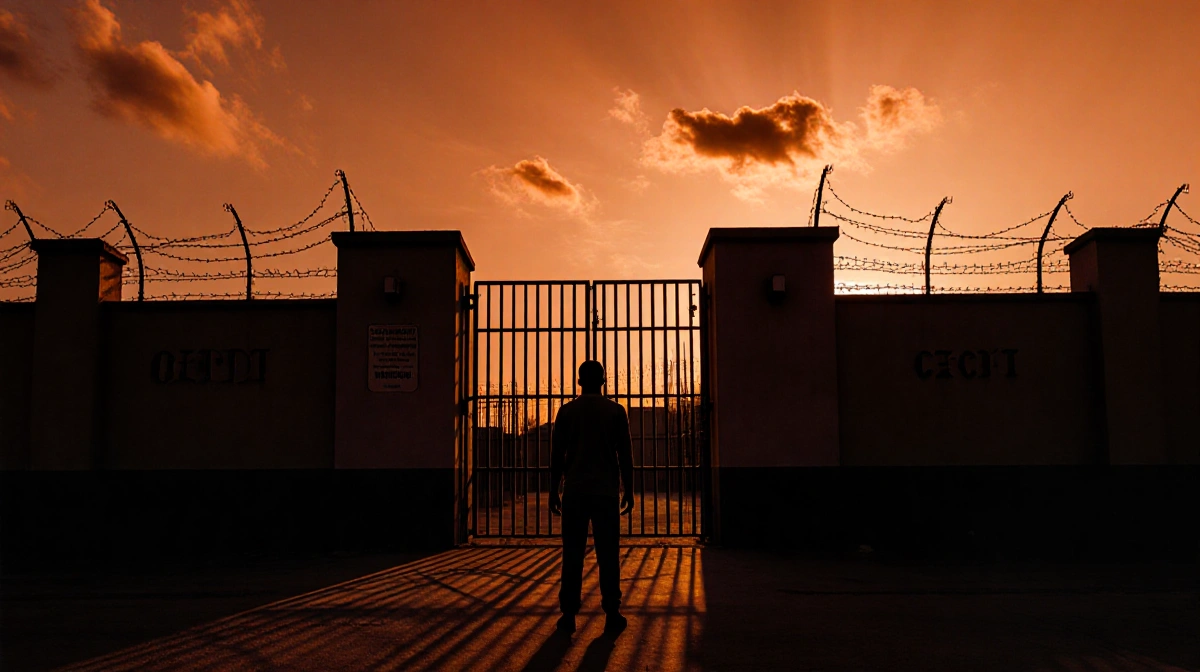
“60 Minutes” will finally air its contentious report on Trump-era deportations to El Salvador’s feared CECOT prison-an 11th-hour reversal after CBS News editor-in-chief Bari Weiss spiked the segment last month.
At a Glance
- The story profiles deportees locked in the ultra-harsh CECOT facility
- Correspondent Sharyn Alfonsi accused CBS of bowing to political pressure
- No new on-camera administration comments were added for Sunday’s broadcast
- Why it matters: Viewers can now compare the original and updated versions to judge whether the network bowed to or resisted White House influence
The planned Sunday broadcast ends a three-week standoff that began when Weiss, a first-time TV-news chief, ordered the piece removed from the Dec. 21 show. Alfonsi immediately told colleagues the move “was not an editorial decision, it was a political one,” according to a person familiar with internal emails who spoke on condition of anonymity.
Weiss argued the segment lacked fresh reporting and failed to balance criticism with sufficient administration perspective. Critics counter that her intervention signals corporate efforts to appease Trump, especially after she arranged recent high-profile interviews with the president and his aides.
What Changed-and What Didn’t
Producers updated the 13-minute segment to include written statements from the administration, but no Trump officials agreed to new on-camera interviews. Alfonsi will now offer additional details about the two deportees she interviewed inside the Salvadoran mega-prison.
CBS News released a statement saying leadership “has always been committed to airing the ’60 Minutes’ CECOT piece as soon as it was ready,” calling the finished story proof of the network’s independence.
How the Story First Surfaced
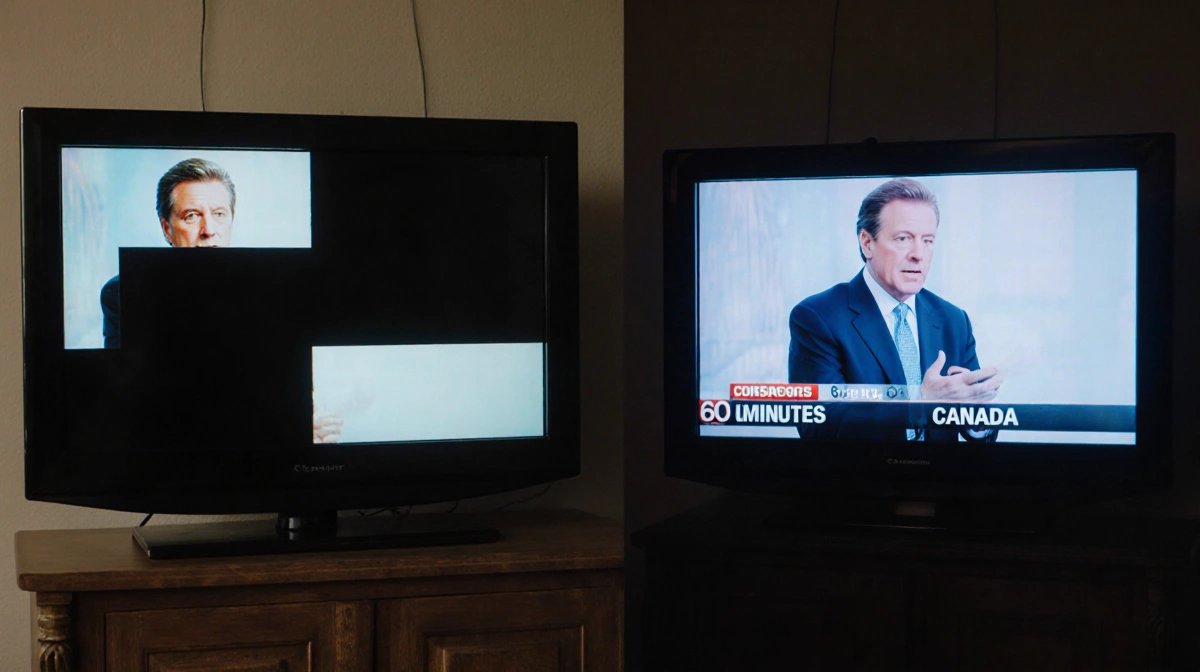
Although yanked from U.S. airwaves, the original cut accidentally reached Global Television, the Canadian rights-holder, which posted the full Dec. 21 episode online. Sharp-eyed viewers quickly downloaded the file, creating a rare chance to compare the two versions line-by-line.
In that earlier cut Alfonsi noted that the administration ignored multiple interview requests and referred “60 Minutes” to Salvadoran authorities, who also declined comment. Clips showed President Trump praising CECOT operators because “they don’t play games,” and press secretary Karoline Leavitt vowing that “heinous monsters, rapists, murderers, sexual assaulters, predators who have no right to be in this country” were sent there.
Pressure Campaign Alleged
Alfonsi told staff that officials withheld interviews on purpose, calculating that lack of comment would weaken or kill the segment. Since Weiss took the helm, Trump aides have appeared more frequently across CBS platforms; the president himself sat for a Nov. 2 interview with Norah O’Donnell.
According to The New York Times, after new “CBS Evening News” anchor Tony Dokoupil questioned Trump last week, Leavitt warned the network the White House would “sue your ass off” unless the full 13-minute exchange ran unedited. CBS complied, airing every minute Tuesday-a virtually unheard-of move for a 22-minute nightly newscast.
What Viewers Will See
The updated story retains Alfonsi’s prison interviews and on-the-ground footage, adds administration written rebuttals, and expands context about the two deportees’ cases. Absent are fresh taped comments from Trump or his aides, leaving critics to question whether the network gained meaningful balance or merely covered itself.
Key Takeaways
- CBS will air a revised deportation story after an internal tug-of-war
- The segment spotlights U.S. detainees sent to El Salvador’s notorious CECOT
- No new Trump interviews appear, despite network requests
- The episode is a test of how CBS will handle reporting on the incoming administration