At 3 a.m. on a crisp December morning, the parking lot of Amapola Market in Downey, California, swelled with families wrapped in blankets, pajamas, and hopeful smiles. The scent of freshly ground corn dough-masa-filled the air, drawing crowds from Bakersfield, Las Vegas, and even as far as Hesperia, where one group camped overnight to secure a spot. The line wound around the lot like a living river, a testament to the market’s reputation as the heart of the region’s holiday tradition.
The Early Morning Rush
Christina Chavarria, a regular at Amapola, had already prepared almost 200 tamales for her family’s holiday feast. Yet she returned to the market that Tuesday morning to replenish her masa supply, because the dough made from ground corn at Amapola is “always seasoned perfect, ready to go,” she told reporters. The line, which can stretch for hours, is a ritual that many families endure each year. “We want them to have a good Christmas,” CEO Rolando Pozos said, describing the event as more than a job-“it becomes a responsibility.”
During the holiday season, tens of thousands head to one of Amapola’s three Los Angeles-area locations to purchase masa, the staple ingredient for tamales. Families gather in assembly-line style, spreading the paste on dried corn husks and filling them with sweet or savory fillings. Chavarria is excited to make tamales with her mother and her 26-year-old daughter, who “at that age where she doesn’t always want to do stuff with me.” Her mother will bring roasted chiles from El Paso, Texas, adding a touch of family heritage from Chihuahua, Mexico.
The Legacy of Masa
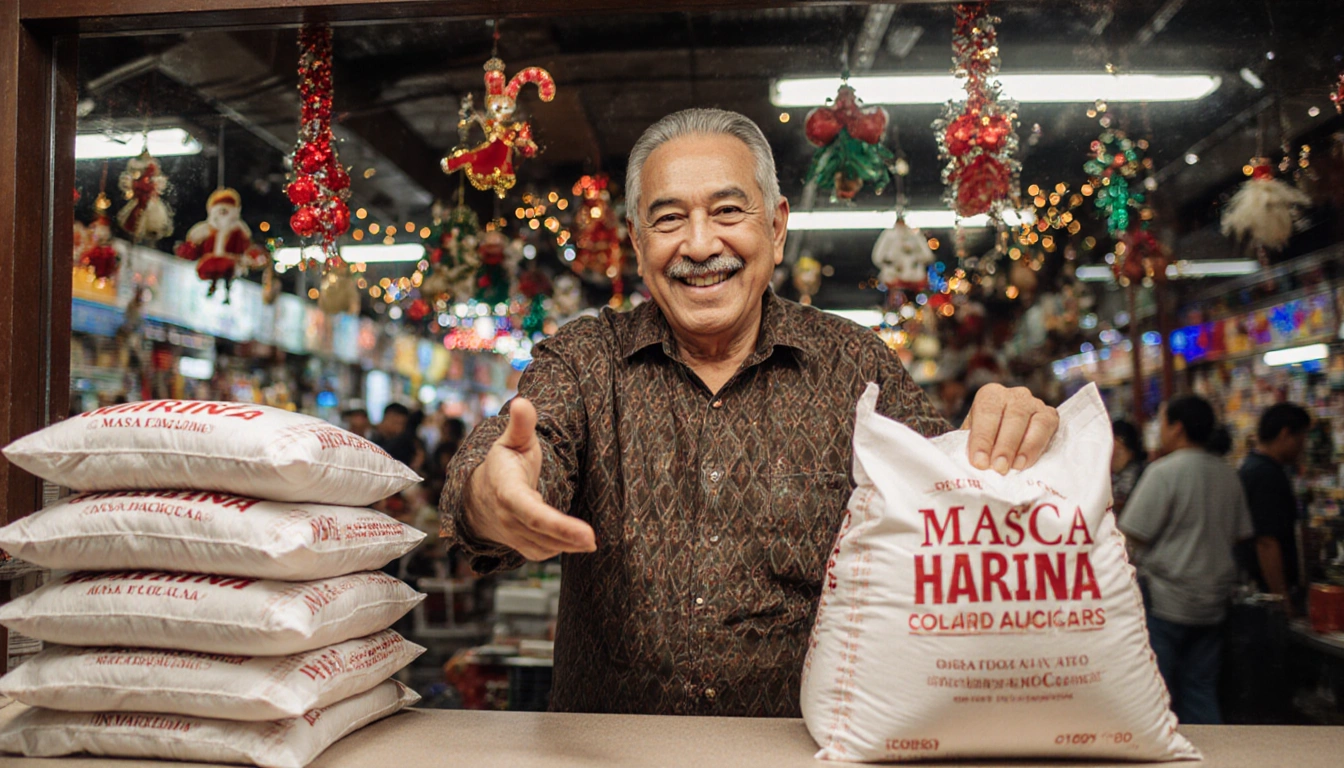
Amapola Market calls the annual event the “masa pilgrimage.” The market’s 64-year-old CEO, Rolando Pozos, has overseen the operation for five years and prides himself on keeping prices stable for the third year in a row. He is a familiar face among regulars, greeting customers in Spanish and sharing a handshake. Pozos also appears on local TV networks demonstrating how to make tamales.
The masa’s importance was highlighted in 2016, when the market sold masa made with the wrong corn. Loyal customers declared their Christmas ruined because the tamales wouldn’t cook properly; some even fell ill. In response, the company severed ties with the corn supplier and vowed to improve quality. The incident underscored the market’s responsibility to deliver consistent, high-quality masa.
Melissa Perkins, who had been waiting in line with her father, shared that her family has used Amapola’s masa for nearly 30 years, before she was born. Her relatives now number almost two dozen, and she says, “This is my mom’s favorite masa.”
Behind the Scenes of Production
Production begins at 3 a.m. daily. Cooked corn is delivered to be ground in massive vats, combined with salt, lard, and other ingredients in industrial mixers. The dough is lifted eight feet into the air and poured into a giant funnel that fills bags, which are then double-bagged by a worker. Behind the counter, fresh tortillas spill onto a conveyor belt by the hundreds.
Bags of masa are stacked on the counter, ready for purchase. The market sells prepared masas for savory tamales like pork and chile, as well as sweeter versions flavored with pineapple and strawberry. The dough is also used for tortillas and champurrado, a thick Mexican hot chocolate.
Families and Traditions
Giselle Salazar arrived at 4:15 a.m. in pajamas with her sister and cousin, bundled in blankets and catching up from college. They waited two hours later in a separate line for more pineapple masa. “At first it was just our moms together,” Salazar said. “They passed the torch down to us basically. We’re the new generation of aunties.”
They had already filled a small wagon and shopping cart with almost 100 pounds (45 kilos) of masa. Cousin Alexa Campos examined each bag carefully, exchanging one that looked watery at the bottom. Consistency is key for tamales to cook properly, she said.
After Christmas, they are done with tamales for the rest of the year. “Because we make a lot and eat them for a week straight,” Campos said.
Mark Monroy brought his 9-year-old daughter Avery on the masa trek for the first time. They drove 1½ hours from Riverside. Raised in the Los Angeles area, Monroy has memories of going to Amapola as a child, so his family returns every year despite moving away.
“You can have a little bit of presents or maybe not even any presents for certain years, but you’ll always have a tamale to unwrap,” Monroy said.
Key Takeaways
- The masa pilgrimage draws families from across California, with crowds lining up for the market’s prized corn dough.
- CEO Rolando Pozos keeps prices steady, ensuring the tradition remains accessible.
- The market’s 64-year-old history and strict quality control underscore the cultural importance of masa in holiday celebrations.
The early-morning rush, the careful production process, and the generational hand-off of tradition all converge at Amapola Market, turning a simple bowl of masa into a shared celebration of family, heritage, and community.