
At a Glance
- Principal dancer Sara Mearns became the first New York City Ballet performer to dance with hearing aids.
- A 2014 rehearsal with 100 Brazilian drummers triggered days of silence and marked the start of her hearing decline.
- After a 2020 nerve hearing-loss diagnosis, she feared her career was over.
- Phonak hearing aids restored her ability to hear every orchestral instrument, saving her career.
- Why it matters: Mearns’ story spotlights how hidden disabilities can threaten even elite performers-and how technology can bring them back.
Sara Mearns spent three decades climbing to the top of the ballet world, only to have her own body betray her in the middle of a booming rehearsal in Brazil. Today the New York City Ballet principal dancer is dancing better than ever, thanks to a tiny piece of technology she once resisted: hearing aids.
The Day the Music Vanished
In 2014 Mearns rehearsed in a cavernous metal gym in Rio while 100 Carnival drummers pounded around her. When she walked out, her ears rang into silence.
“I couldn’t hear anything for days,” she told News Of Los Angeles in a new video for the News Of Los Angeles Stories series. “That was the first time I realized something was wrong.”
The incident triggered progressive nerve hearing loss that went untreated for years. Onstage she began missing musical cues, forcing partners to signal entrances. Socially she withdrew, exhausted from straining to follow conversations.
“I realized I couldn’t hear anybody,” she said. “I was missing everybody talking around me.”
Spiral in Silence
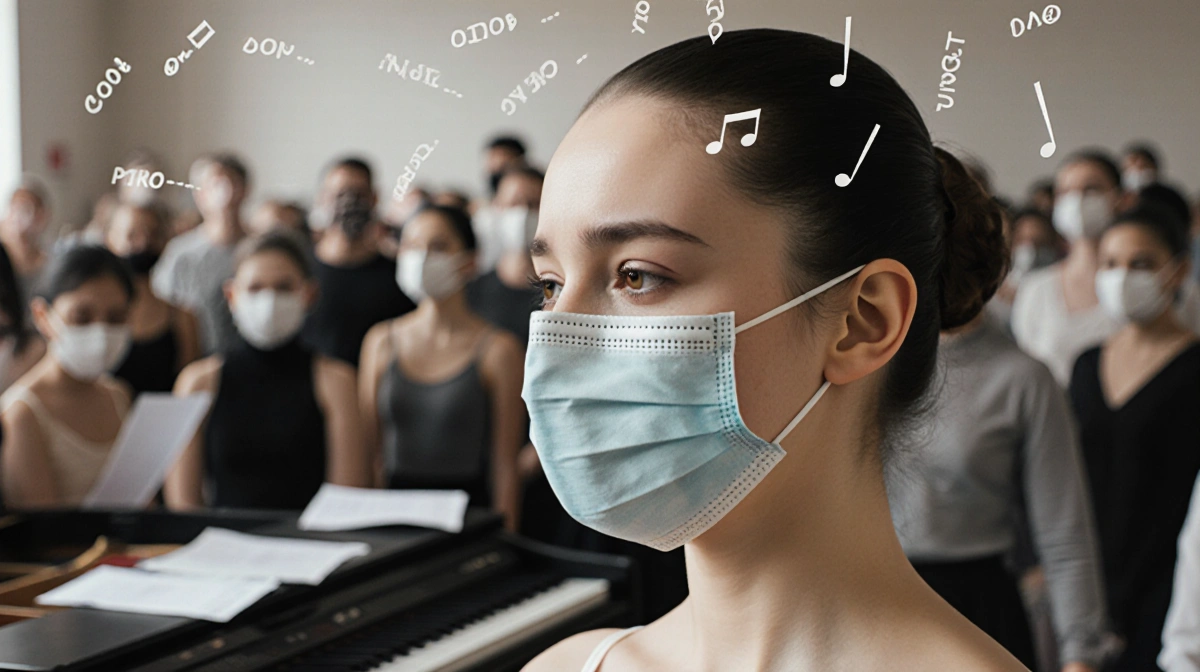
By 2020, pandemic masks removed the last crutch of lip-reading. Mearns, then 36, stopped wanting to enter the studio, let alone perform.
“I was completely spiraling down,” she admitted. “I didn’t want to go to the studio. I didn’t wanna perform. I was at the top of my game, but I was walking to work crying every day.”
Isolation deepened. She questioned why gratitude eluded her after a lifetime of pursuit.
“There was something wrong, but I couldn’t figure that out,” she said.
A solitary moment on a Central Park bench crystallized the truth: no one else could fix her hearing. She had to “pick up the phone and ask for help.”
Diagnosis and Doubt
Audiologist Dr. Marta Gielarowiec confirmed nerve hearing loss in 2020. Mearns faced a new fear-would hearing aids withstand the athleticism of classical ballet?
“I didn’t know how hearing aids would help me,” she said. “I questioned if I’d be able to dance with them on.”
Dr. Gielarowiec fitted her with Phonak devices designed for active users. Four years of adjustments followed.
The Note That Changed Everything
The payoff arrived mid-rehearsal. Mearns finally executed a notoriously tricky sequence she had bungled for years.
“There was a ballet where I’d always gotten the counts wrong-always wrong-and I did the step right for the first time,” she recalled. “The rep director came back and she’s like, ‘Oh my God, you did it.’ And I was like, ‘I know. I can hear everything now.'”
Restored hearing revived her trademark musicality. She could distinguish each orchestral instrument and feel the full power of Tchaikovsky.
“My whole world just opened up,” she said.
A First for Ballet
Mearns, 39, now dances as the first hearing-aid-wearing principal in New York City Ballet’s 76-year history. The devices sit discreetly behind her ears, secured against leaps and spins.
“They’ve given me part of my life back,” she said of the aids. “As a performer, that was everything.”
Her daily routine-detailed in the News Of Los Angeles Stories video-includes fittings with Dr. Gielarowiec, rehearsals choreographed by Jodi Melnick, and performances at the height of Nutcracker season.
Lessons in Falling
Mearns frames her journey around an uncomfortable truth: adults must learn to fail.
“It was really hard for me to understand, okay, wait, I’m gonna have really bad things happen to me and I have to figure this out-as an adult,” she said. “You have to fail. Like, failure is part of the process.”
Accepting help, she added, saved more than her career; it restored her identity as the “very musical dancer” who once studied scores at Carnegie Hall before stepping onstage.
“When you’re going through it, it almost seems impossible-including my hearing loss,” she said. “You do not see the light at the end of the tunnel.”
Today audiences see that light every time she steps into the spotlight-hearing every note that carries her.