
At a Glance
- A 4.9-magnitude quake struck northeast of Indio at 5:56 p.m.
- Three smaller aftershocks-2.9 to 3.3-followed within five minutes.
- Shaking was felt across Palm Springs, Murrieta, Temecula, and northern San Diego County.
- Why it matters: No injuries or structural damage have been reported, keeping the region alert for possible aftershocks.
A rapid-fire swarm of four earthquakes rattled the low desert east of Los Angeles on Monday evening, with the largest registering 4.9, according to the United States Geological Survey.
The sequence began at 5:56 p.m. when the main shock hit roughly 2 miles beneath the surface northeast of Indio. Within about five minutes, three aftershocks-measuring 2.9, 3.1, and 3.3-were recorded in the same area, USGS data shows.
Felt Across Southern California
Reports flooded into the USGS “Did You Feel It?” system from a wide arc:
- Palm Springs – light shaking lasted several seconds
- Murrieta – residents described a brief jolt
- Temecula – dishes rattled on shelves
- Northern San Diego County – swaying felt in high-rises
Despite the broad reach of the tremors, no injuries or structural damage have been documented, according to News Of Los Angeles‘s initial survey of local agencies.
Depth and Location
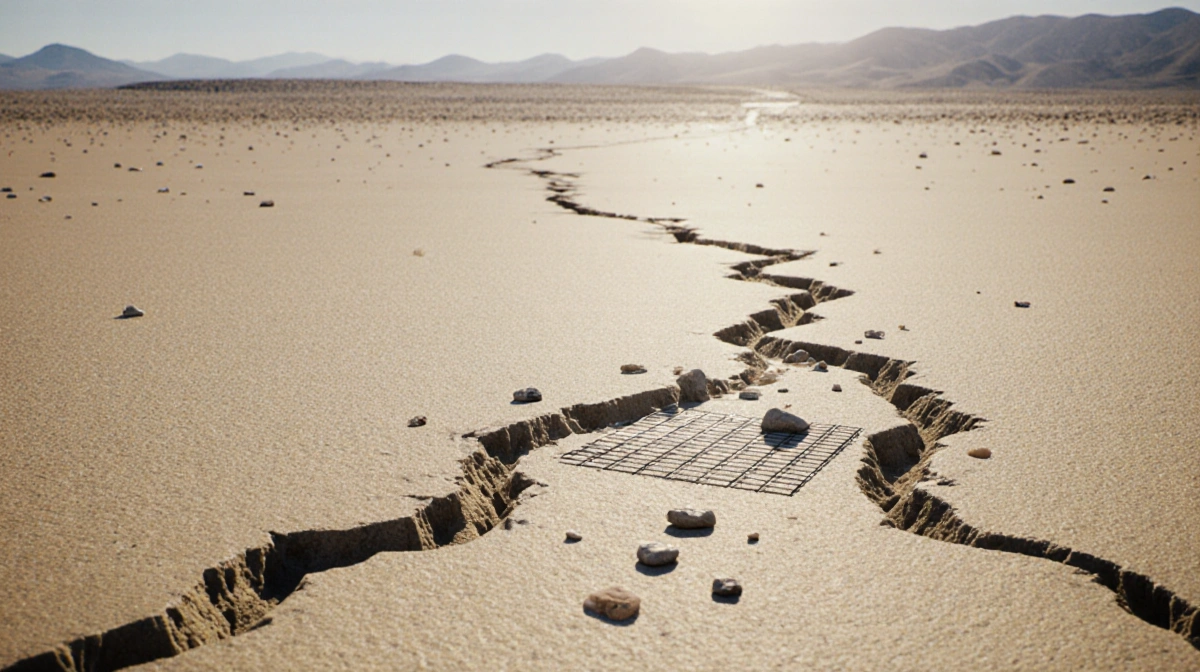
The shallow depth-just under 2 miles-helped amplify the perceived intensity across the region. The epicenter was positioned in a sparsely populated section of the desert northeast of Indio, an area crisscrossed by the San Andreas fault system.
What Happens Next
Seismologists note that aftershocks can continue for days, though the odds of a larger quake decrease with time. Residents are reminded to secure heavy furniture, keep emergency kits handy, and practice “drop, cover, and hold on” during future shaking.
Key Takeaways
- The 4.9-magnitude quake was the strongest in the Coachella Valley so far this year.
- All four events occurred within a tight five-minute window.
- Widespread reports of light shaking came from four counties, yet no damage or injuries have surfaced.