At a Glance
- ICE agents are stopping U.S. citizens, including off-duty officers, in Minneapolis.
- Complaints have risen in the last two weeks, citing civil-rights violations.
- Law-enforcement leaders demand more oversight of federal agents.
- Why it matters: The surge threatens trust between local police and the communities they serve.
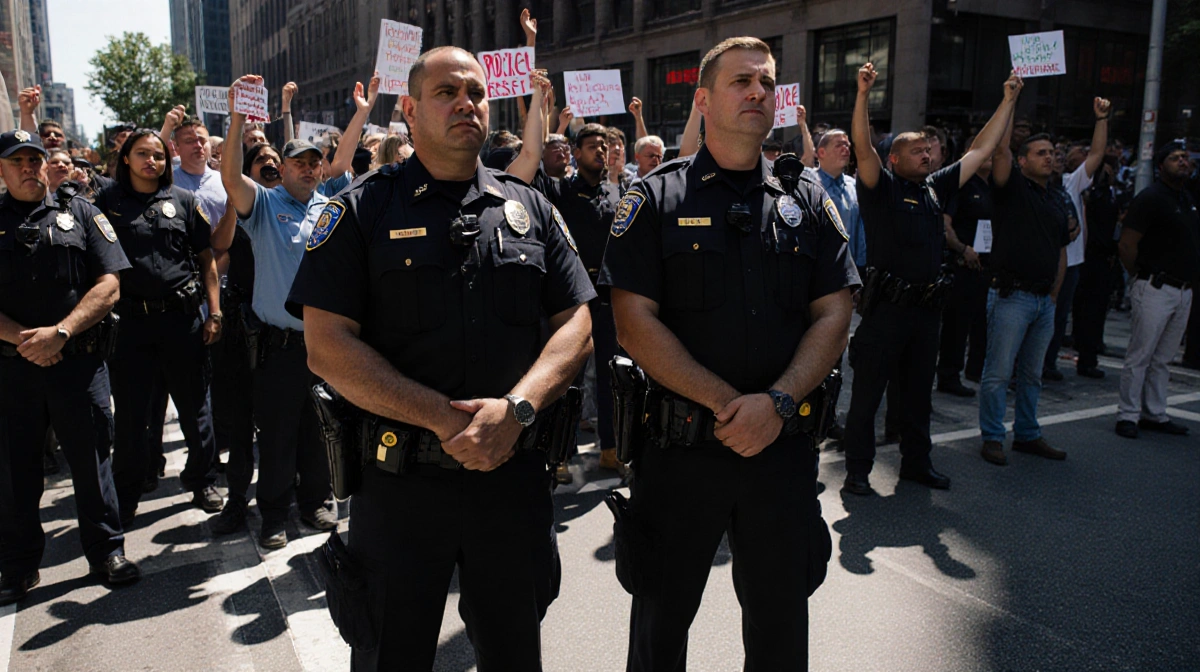
The Minneapolis area has seen a sharp increase in Immigration and Customs Enforcement (ICE) activity, prompting local law-enforcement leaders to raise alarms about civil-rights abuses. Over the past two weeks, officers and civilians have reported being stopped, questioned, and in some cases, seized by ICE agents without clear cause. The incidents, many involving people of color, have sparked a call for greater oversight of federal operations in the state.
Context of the Surge
The federal government has intensified immigration enforcement under President Donald Trump’s administration. In Minneapolis, the surge has coincided with heightened scrutiny of ICE’s tactics, especially after the fatal shooting of Renee Good on Jan. 7. Good, a U.S. citizen, was killed by an ICE agent, an event that ignited nationwide protests and intensified calls for accountability.
| Date | Event |
|---|---|
| Jan. 7 | Renee Good shot by ICE agent |
| Jan. 13 | ICE agent removes seatbelt from woman in Minneapolis |
| Jan. 20 | Law-enforcement leaders call for oversight |
The incidents on Jan. 13 and Jan. 20 illustrate the pattern of stops that have left many questioning the legality of ICE’s actions.
Civil Rights Complaints
Law-enforcement leaders across the Twin Cities report that their departments have been inundated with civil-rights complaints. Officers say they are being stopped in traffic, on the street, or during routine interactions, often without justification. The complaints are especially troubling because they involve off-duty police officers, who are legally protected under the First Amendment.
- Off-duty officers have been stopped and asked to produce paperwork proving they are legally in the country.
- In one case, a Brooklyn Park officer was stopped, forced to hand over a phone, and had her firearm drawn by ICE agents.
- The officer’s identity was revealed only after she identified herself, leading to the agents’ withdrawal.
The pattern of stops disproportionately affects people of color. “Every one of these individuals is a person of color who has had this happen to them,” said Brooklyn Park Police Chief Mark Bruley.
Leaders Speak Out
At a news conference on Jan. 20, Brooklyn Park Police Chief Mark Bruley and other local law-enforcement leaders called for oversight. Bruley emphasized that the goal is not to abolish ICE, but to ensure that enforcement is conducted with respect for civil rights.
> “The truth is, immigration enforcement is necessary for our national security and for local security, but how it’s done is extremely important,” Bruley said. He added that local agencies had historically worked “exceptionally well” with federal partners.
Bruley described a recent incident involving a Brooklyn Park officer who was stopped by ICE agents while passing through Minneapolis. The officer was forced to produce paperwork, had her phone knocked out of her hand, and was confronted with drawn guns. After she identified herself, the agents left. Bruley said this was not an isolated incident.
St. Paul Police Chief Axel Henry echoed these concerns. He noted that his city’s employees had experienced similar stops, though without firearms drawn. “Law enforcement has more authority than a general citizen,” Henry said. “That means we have more responsibility in how we behave.”
Hennepin County Sheriff Dawanna Witt, a Black law-enforcement official, invoked Dr. Martin Luther King Jr. to emphasize the need for fairness. Witt stated, “I am seeing and hearing about people in Hennepin County stopped, questioned and harassed, solely because of the color of their skin.”
Calls for Oversight and the Bigger Picture
Bruley and his colleagues suspect that a small group of agents are responsible for the misconduct. They argue that the current surge erodes the trust that local officers have worked to build over five years, particularly after the unrest following the 2020 murder of George Floyd.
The leaders’ plea is for more oversight to halt reports of civil-rights violations. They argue that without accountability, the pattern of stops will continue, undermining the relationship between law-enforcement agencies and the communities they serve.
Key points from the leaders’ statements:
- ICE agents are stopping U.S. citizens, including off-duty officers, based on skin color.
- The incidents are part of a broader surge in federal activity in Minneapolis.
- Local law-enforcement agencies call for oversight, not abolition of ICE.
- The pattern threatens civil rights and community trust.
The incidents have sparked a broader debate about the role of federal immigration enforcement in local communities. The leaders’ call for oversight reflects a growing concern that federal tactics may conflict with the constitutional protections that local officers are sworn to uphold.
Key Takeaways
- ICE agents have stopped U.S. citizens, including off-duty officers, in Minneapolis.
- Complaints have risen in the last two weeks, citing civil-rights violations.
- Law-enforcement leaders demand more oversight of federal agents.
- The incidents threaten trust between local police and the communities they serve.
The situation remains fluid, and local leaders continue to monitor the actions of federal agents. Their calls for oversight aim to protect civil rights and preserve the integrity of law-enforcement partnerships.