At a Glance
- Stellan Skarsgård reveals ongoing speech and memory issues over three years after a 2022 stroke.
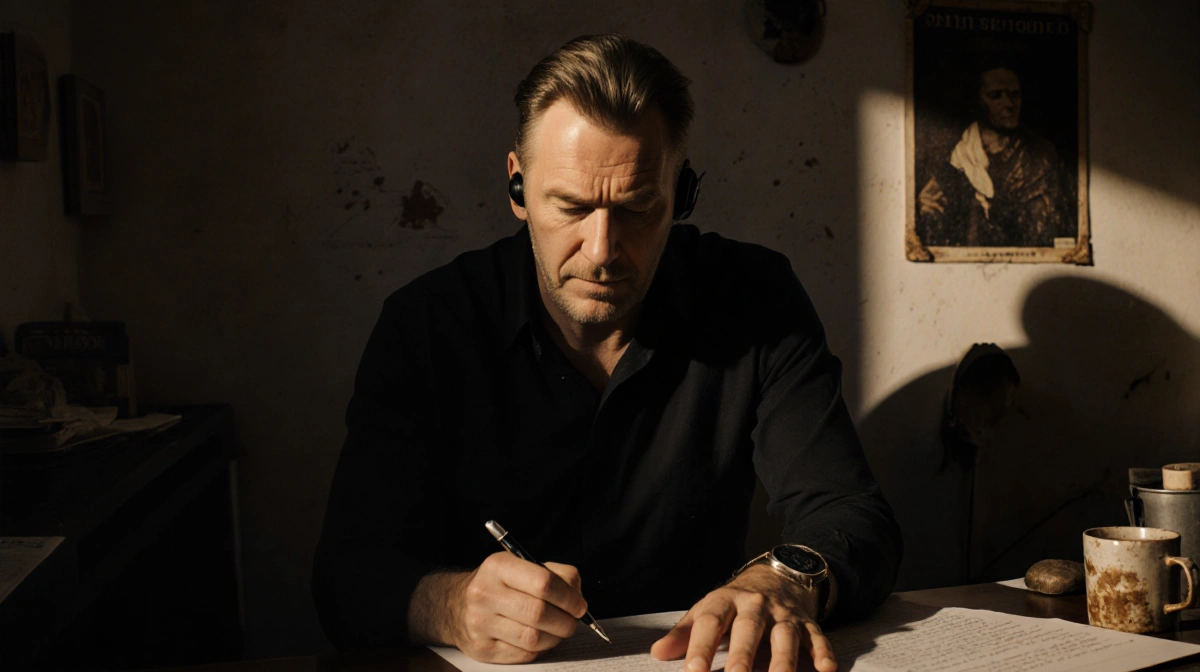
- He uses an earpiece prompter on set to keep lines and scene rhythm intact.
- The 74-year-old shares his fear of losing the ability to live fully.
- Why it matters: It highlights the long-term personal toll of stroke and the resilience required to continue a demanding acting career.
Stellan Skarsgård, the veteran actor known for roles in Mamma Mia! and Sentimental Value, has opened up about the lingering effects of a 2022 stroke. In a recent CBS Sunday Mornings interview, he spoke candidly about the challenges he faces with speech, memory, and humor, and how he has adapted his work process on set.
Stroke Aftermath
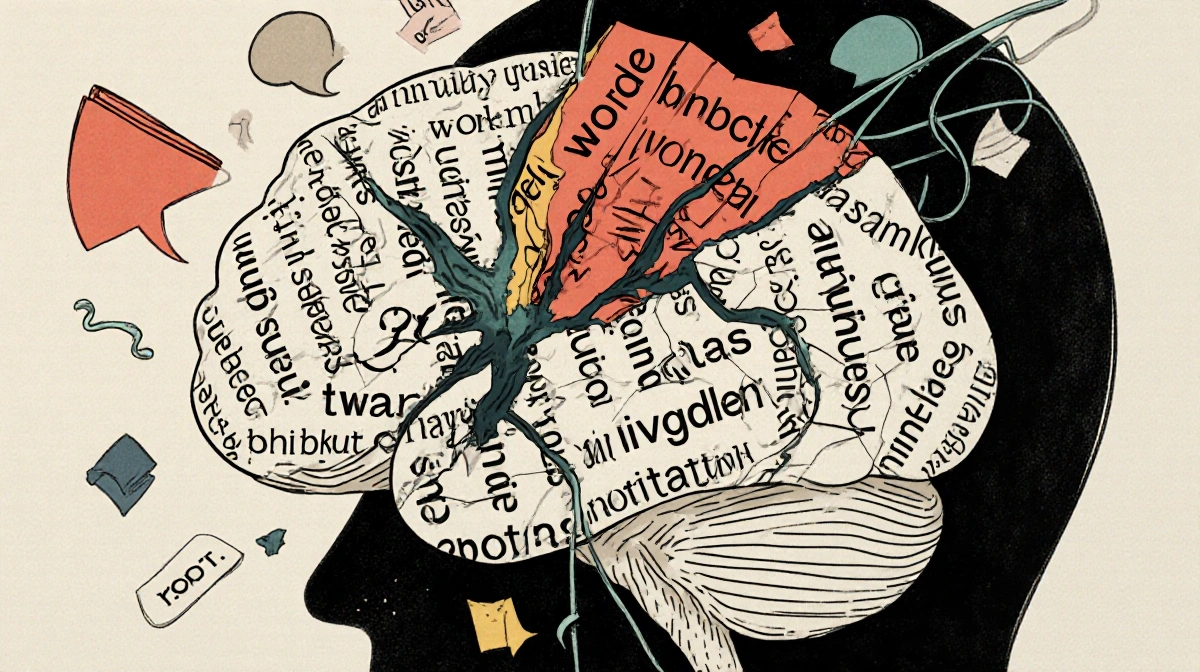
Over three years after his stroke, Skarsgård still experiences difficulties that affect his daily life and professional performance. He described the impact as:
> “I had a stroke that makes me forget my language, forget words and makes me more stupid, less funny and everything,” he said, adding with a laugh, “I felt so funny before.”
The actor’s candidness extends beyond physical symptoms; he also acknowledges the emotional weight of these changes.
Speech and Memory Challenges
The stroke has left Skarsgård with:
- Speech impairment: difficulty articulating words and maintaining conversational flow.
- Memory loss: trouble recalling lines and following complex thoughts.
- Humor decline: a sense that his comedic timing has been affected.
He shared that these issues are not just limited to speaking on set; they permeate everyday interactions. During a Vulture interview, he admitted:
> “Suddenly, I can’t come up with names… I can’t follow a thought or make an argument that spans several sentences that gets to the point – then bang! That is extremely frustrating.”
Earpiece Technique
To navigate on-camera work, Skarsgård employs an earpiece that feeds him his lines in real time. He explained the intricacies of this method:
> “It’s actually more complicated than learning the lines because the prompter has to say their line while the other actor is talking,” he noted.
He emphasized the importance of maintaining scene rhythm, stating:
> “The rhythm of the scene has to be as if he wasn’t there, the voice in the ear. So he has to say his lines very fast and very neutral and on top of my coworker’s lines.”
This technique, first used during the filming of Dune: Part Two, has become a vital tool for him. He described the process as “extremely frustrating” but necessary to keep his performance coherent.
Interview Highlights
During the Los Angeles premiere of Sentimental Value on Nov. 5, Skarsgård reiterated his commitment to his craft:
> “I’m 74 years old, and I’m alive,” he replied when the interviewer remarked on the difficulty of his situation.
He also reflected on the emotional stakes of his condition:
> “I’m not afraid of dying, but I am afraid of not being capable of living. That is a fear,” he added.
These remarks underscore the personal dimension behind his professional perseverance.
Emotional Reflections
Beyond the technical aspects of acting, Skarsgård’s narrative is rooted in a profound sense of vulnerability. He acknowledges that while the stroke has altered his cognitive and linguistic abilities, he remains determined to continue working. His statement that he is “alive” serves as both a reassurance to himself and a message to audiences about resilience.
Key Takeaways
| Aspect | Current Status | Adaptation |
|---|---|---|
| Speech | Ongoing impairment | Earpiece prompter |
| Memory | Difficulty recalling lines | Real-time line feeding |
| Humor | Declined comedic timing | Continues to perform |
| Emotional | Fear of losing ability to live | Embraces living fully |
Stellan Skarsgård’s openness offers a rare glimpse into the day-to-day realities faced by individuals recovering from stroke. His willingness to share these struggles, coupled with practical adaptations, highlights both the challenges and the determination that define his career.
Key Takeaways
- The 74-year-old actor continues to face speech and memory challenges post-stroke.
- He uses an earpiece to maintain line delivery and scene rhythm.
- Despite frustrations, he emphasizes the importance of staying alive and capable.
- His story underscores the long-term impact of stroke on personal and professional life.