At a Glance
- Neurable unveiled headset-based brain-reading tech that visualizes focus and stress in real time.
- Testers saw reaction time drop by 40ms and hit counts rise after using the software.
- The company is courting partners, notably HP, to embed the tech in consumer headphones.
- Why it matters: Gamers could trim milliseconds off their reflexes and manage in-game stress without AI assistants.
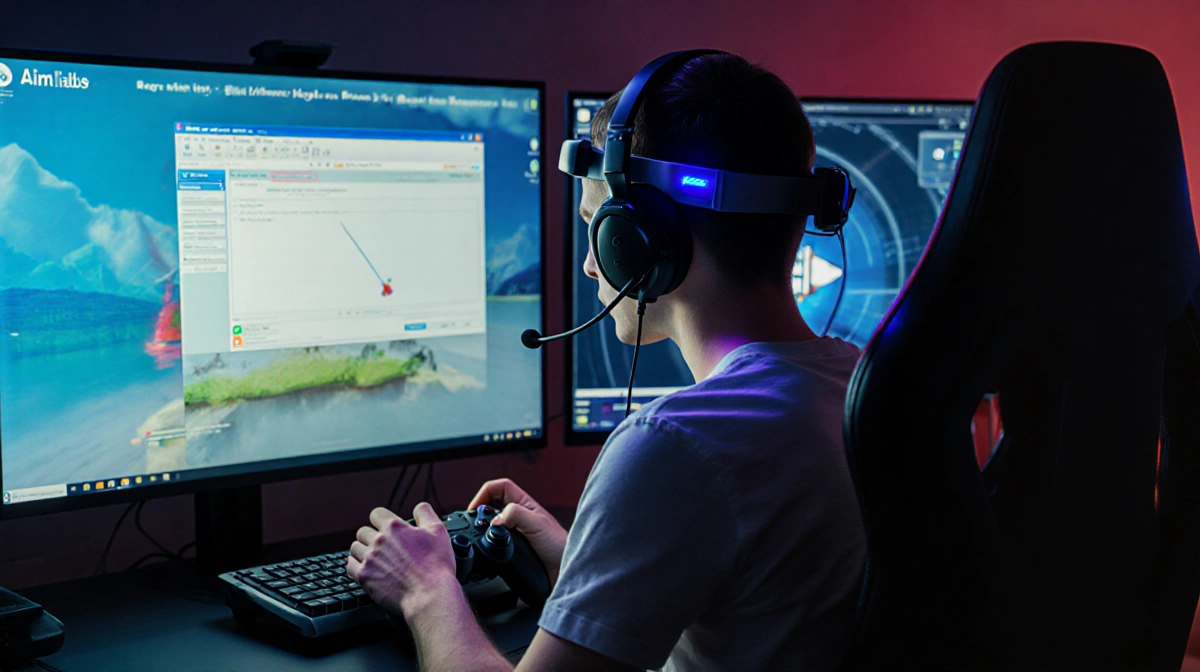
In a hotel room at CES 2026, a gamer tried a target-practice program while wearing over-ear headphones that read his brain activity. The headphones displayed a shrinking globe that reflected his mental load; breathing exercises lowered the visual stress indicator, and a second run of the game saw a 4,000-point score boost and a 44-millisecond faster reaction time.
How the Tech Works
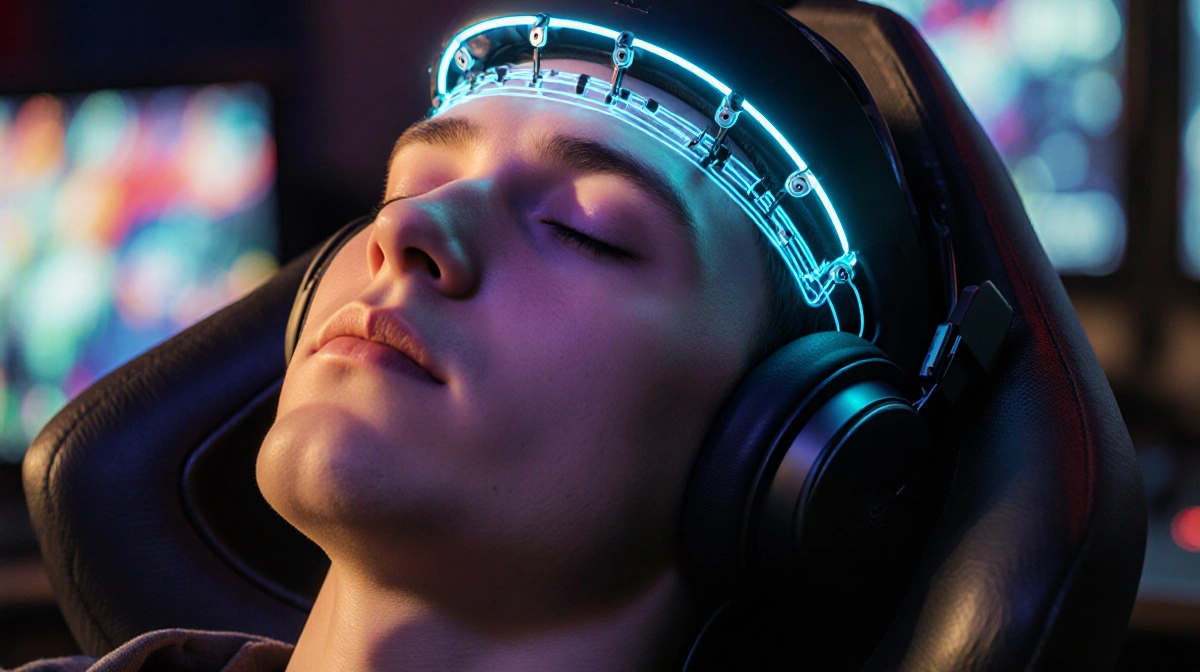
Neurable has spent a decade scanning brains, originally for the US Army, before pivoting to consumer wearables. Instead of bulky gel-based electrodes, the company uses conductive stripes on headphone earcups to pick up signals from the frontal lobe via the ears. AI models then infer brain metrics such as focus, cognitive load, and a proprietary “brain battery.” In a validation paper, the system achieved a 90% correlation with full-scalp EEGs.
The software comes in two parts:
- Prime – a warm-up routine that visualizes mental load and helps players practice breathing and focus.
- Broadcast – overlays real-time gauges during gameplay, letting players see when they’re stressed or “tilted.”
Both tools run on the same headset hardware but are not yet released to the public. Instead, Neurable seeks partners to pair the software with existing BCI-enabled headphones.
Real-World Testing
During the CES event, a tester performed the Aimlabs target-practice program, ran Prime, and then repeated the session. The results matched a white paper published just before the show: 25 players across 34 test sessions reduced reaction time by an average of 40ms and increased the number of targets hit.
“We essentially are able to help you visualize those kinds of things, like focus, your cognitive load and what’s impacting you, and then be able to not only provide you the feedback, but then also enable you to provide [it] to your streaming [viewers],” said Ramses Alcaide, co-founder and CEO of Neurable.
Alicia Howell-Munson, a research scientist at the company, noted that meditation alone relaxes but doesn’t necessarily sharpen focus. “So the thing with just meditation is that generally, it will relax you. It may not increase your focus, though. Or if it’s increasing your focus, you might be stressed trying to hone in on that,” she said.
Partnerships & Future
Neurable announced a partnership with HP that will produce HyperX-branded headsets featuring the conductive earcup design. The company also showcased a prototype HyperX headset at CES 2026 but said it lacked the full brain-scanning software until a partnership is finalized.
“Before players can actually get their hands on Neurable’s brain-scanning-while-gaming software, we need to close our negotiations with HP,” Alcaide teased.
Beyond headphones, the team is exploring earbuds and smart glasses. Howell-Munson is already integrating the tech into earbuds, while a future smart-glass version could use the ear hooks as conductive surfaces.
Jessica Randazza-Pade, vice president of marketing, highlighted potential applications outside gaming. “The insights could be helpful in my competitive races; I’ve got a half-marathon coming up, and reminders of my slipping mental focus could help me zone back in during my long run,” she said.
What It Means for Gamers
High-performance players-esports professionals and speed-runners-stand to gain by trimming 40ms off reaction time. Casual gamers, however, may find the real-time feedback valuable for managing stress and improving enjoyment. The ability to see a visual representation of mental load could help players decide when to pause or refocus.
“All of that is to give you feedback on your brain because it’s so hard to feel it out yourself,” Alcaide explained. “So [Prime] helps you practice those moments and manage your emotion and your mental load so that when you’re actually doing it, you can do better.”
Looking Ahead
Neurable has a history of Department of Defense contracts, including work with the US Army and Singapore Air Force. The company’s brain-scanning tech has also been applied to helmet-mounted sensors for detecting microtraumatic injuries.
The next frontier will likely be earbuds and smart glasses, but the company is cautious about how much data can be extracted from smaller conductive surfaces. Whether gamers will adopt the proprietary metrics-brain battery, focus, tilt-remains to be seen.
In the meantime, the partnership with HP could bring the first consumer-ready headset to market, offering gamers a new way to visualize and improve their in-game performance.
—