Introduction
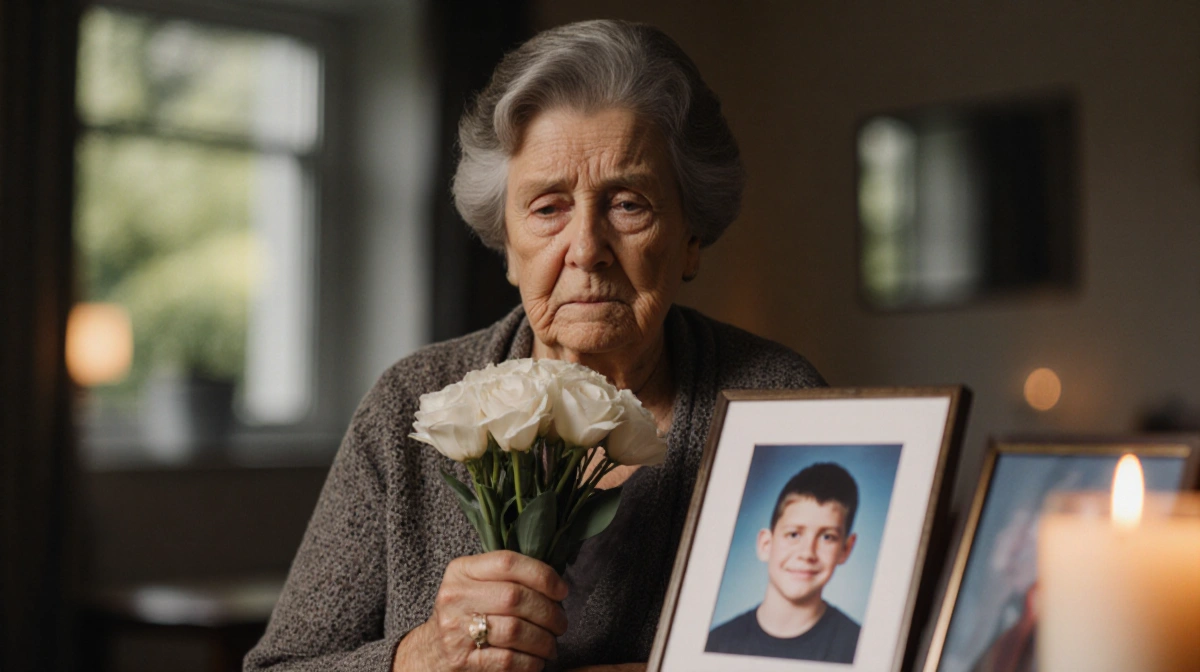
After a 21-year-old Austin film student was killed in a one-punch homicide, his mother, Missy Redding, pursued a controversial path to honor his wish to become a father. The case drew national attention, sparked a legal battle, and left Redding determined to fight for justice reform.
At a Glance
- Missy Redding seeks to create a child from her son’s sperm after a 2009 murder.
- The legal fight forced a Travis County judge to order sperm retrieval and preservation.
- Redding now campaigns for stricter manslaughter sentencing in Texas.
- Why it matters: The story highlights gaps in post-mortem sperm laws and the enduring impact of violent crime.
The Tragic Death
On March 27, 2009, Nikolas Evans, a middle-school student with a goal of fathering a family, was punched outside a bar in Austin. The blow to his head knocked him unconscious, and he later died on April 5, 2009.
- He was taken to University Medical Center Brackenridge, placed in intensive care, and underwent two surgeries.
- An autopsy found blunt-force trauma to the head as the cause of death.
- The attacker, Eric Skeeter, was found guilty of manslaughter in 2010 and received 10 years of community supervision.
The Legal Battle
The hospital that closed shortly after Evans’ death initially refused to allow sperm retrieval. Redding hired attorney Mark Mueller, who had been working on a film in Los Angeles.
- Mueller filed a petition with a Travis County probate judge.
- The judge ruled in Redding’s favor, ordering the Travis County Medical Examiner’s Office to permit sperm harvesting and preserve the body in near-freezing temperatures to ensure continued viability.
- The case attracted media attention across Texas and the nation, leading to ridicule and emotional distress for Redding.
Posthumous Sperm Retrieval
Post-mortem sperm retrieval (PSR) is a procedure that allows deceased men’s sperm to be extracted and used for assisted reproduction. The U.S. has no federal regulations; decisions rest with individual hospitals and fertility clinics.
- Redding’s request was the first of its kind to receive court approval.
- She envisioned using the sperm to create a surrogate embryo, hoping to give her son the chance to become a father.
- The procedure sparked ethical debate, especially around consent and the creation of life from a deceased individual.
The Quest for a Grandson
After the legal hurdle was cleared, Redding faced practical challenges:
- Egg sourcing: She found a European donor with a similar racial background to her son’s girlfriend, a coincidence she found touching.
- Cost: Initial estimates rose from $35,000 to $115,000 or $125,000 as the process progressed.
- Surrogacy: Two longtime family friends offered to carry the embryo, but the embryo did not develop.
By 2013, Redding stepped back from the quest, stating she had no further pursuit of a grandson through her son’s DNA.
Moving Forward: Justice Reform
Redding’s experience has shifted her focus to legislative advocacy. She now champions a Texas law that would impose mandatory manslaughter sentences for one-punch homicides.
> “Half of my heart is gone forever,” she says. “There’s no replacing that. But we’ve done a lot of good things over the years, and I’m really not giving up hope on doing this.”
Her advocacy aims to ensure that future victims receive stronger legal protection and that the system does not allow perpetrators to evade meaningful punishment.
Key Takeaways
- A mother’s determination led to the first court-approved post-mortem sperm retrieval in the U.S.
- The case exposed the lack of federal regulation on PSR and raised ethical questions.
- Redding’s legal struggle highlighted the challenges victims’ families face when seeking justice.
- Her ongoing campaign for stricter manslaughter sentencing reflects a broader push for criminal-justice reform.
Final Thoughts
Missy Redding’s story is a poignant reminder of how a single act of violence can ripple through a community, law, and personal life. While her son’s wish to become a father may remain unfulfilled, her fight for justice continues to inspire a conversation about accountability and the rights of the deceased.