At a Glance
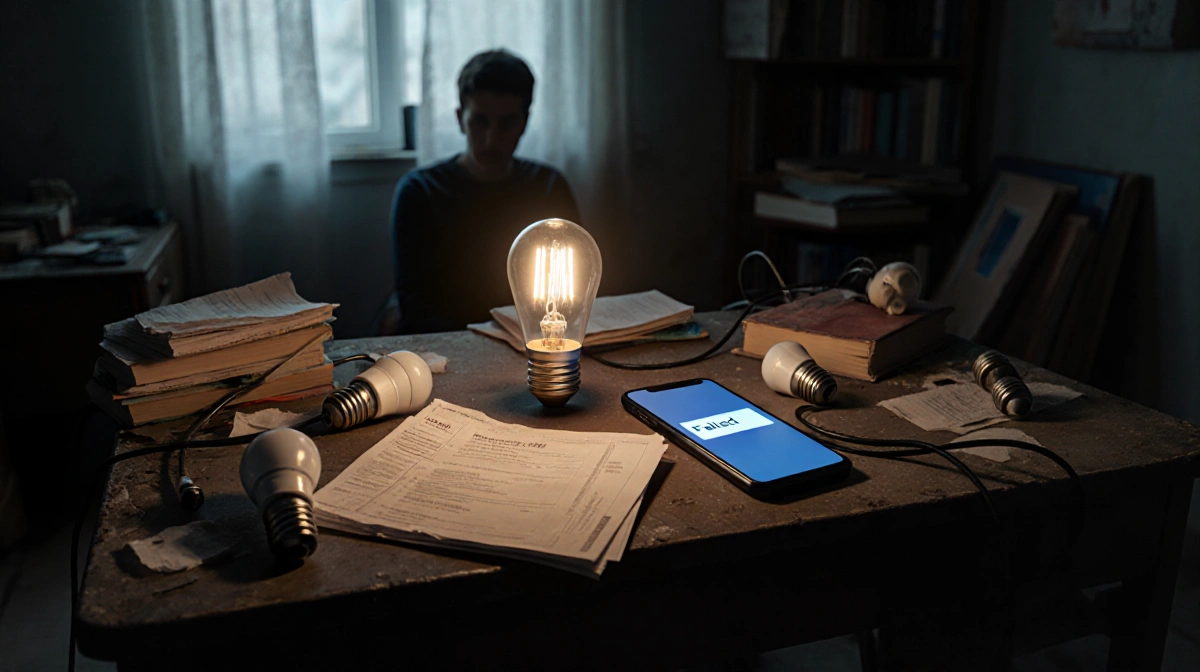
- LED bulbs often fail a year or two after installation.
- Failure is usually due to drivers, heat, and power quality.
- Choosing quality brands and proper installation can extend life.
Why it matters: Consumers may lose money and safety if bulbs fail early.
The promise of LED lighting-long life, low cost, and energy savings-has made it a staple in homes and businesses. Yet many users report bulbs burning out within a couple of years, well before the advertised lifespan. An investigation into the real causes shows that the problem lies not in the diodes themselves but in the electronics that power them and the environments in which they operate.
Why LED Bulbs Fail Early
LED bulbs contain a light-emitting diode, a driver that converts household AC to the DC required by the diode, and a heat-sink that keeps the components cool. The driver and its soldered connections are the weak links. When they overheat, the bulb’s light suddenly cuts off. Below are the seven key factors that accelerate failure.
1. Life-Span Ratings Are Broad Averages
The numbers on a bulb’s packaging-often “5-10 years”-are averages derived from controlled lab tests. Thomas Grable of the LEDvance product technical team explained:
> “When LED bulb averages fall within a normal distribution chart, about 95% of the values fall within two standard deviations of the mean.”
Even with a seven-year average, some units will die early, especially if manufacturers use phrasing like “up to seven years” that leans heavily on top performers. Moreover, companies may define a “day” of use differently: some use six to eight hours, others just two or three, inflating the claimed lifespan.
2. Drivers Overheat and Fail
Heat is the main enemy of LED drivers. The Lighting Research Center at Rensselaer Polytechnic Institute reports that soldered points are most vulnerable in harsh conditions. Bulbs installed in hot corners, deep-set sockets, or poorly ventilated fixtures can overheat quickly. Choosing bulbs with a solid aluminum heat-sink can help, but high-temperature environments still shorten life.
3. Power Quality Matters
Electricity that is not “clean”-steady and free of spikes-can stress drivers. Tiny voltage spikes or irregular current can cause drivers to overheat and fail. If bulbs keep dying for no obvious reason, the home’s power supply may be dirty.
4. Old Sockets or Poor Installation
Even clean power can cause problems if the socket is old, dirty, or the bulb is screwed in too loosely or too tightly. A firm but gentle installation in a clean socket reduces the risk of burnout.
5. High Humidity Accelerates Wear
Moisture damages electrical connections. In humid areas, heat and humidity combine to wear down drivers faster. Using a dehumidifier can extend bulb life.
6. Incompatible Dimmer Switches
Many LED bulbs are designed for modern dimmers that match their low wattage. Older dimmer switches, built for incandescent bulbs, can cause flicker and early failure. Replacing an old dimmer with an LED-compatible model or using a smart bulb with app-controlled dimming can resolve the issue.
7. Quality Control Variability
Manufacturing quality plays a huge role. Cheap drivers, converters, or sloppy assembly lead to early failure. Even if a bulb’s diode is good, a low-cost driver can doom the product. Consumers are advised to choose well-known brands-such as Philips, Wiz, Govee, Nanoleaf, and Cree-for better reliability.
Comparing LED and Incandescent Lifespans
| Light Type | Average Hours | Typical Usage (hrs/day) | Estimated Years |
|---|---|---|---|
| Incandescent | ~800 | 6-8 | 2-3 |
| LED (average) | 10,000-15,000 | 6-8 | 7-10 |
While LEDs still outperform incandescent bulbs by a wide margin, the variability in real-world performance means consumers should not expect every LED to reach the top of the range.
Key Takeaways
- Drivers, not diodes, are the primary failure point. Heat and power spikes damage the small electronics inside.
- Installation matters. A clean socket, proper torque, and a heat-sink can extend life.
- Don’t trust the numbers blindly. Life-span claims are averages; actual performance can vary.
- Choose reputable brands. Quality control reduces the risk of early failure.
- Check dimmer compatibility. Old dimmers can cause flicker and burnout.
By understanding these factors, homeowners can make smarter choices, avoid premature bulb failure, and truly reap the benefits of LED lighting.
Further Resources
- LEDvance product technical specifications
- Lighting Research Center studies on soldered point reliability
- Guides on selecting LED bulbs for different rooms
- Dehumidifier recommendations for high-humidity homes
For detailed reviews of the best LED bulbs in each category, consult the comprehensive buying guides.