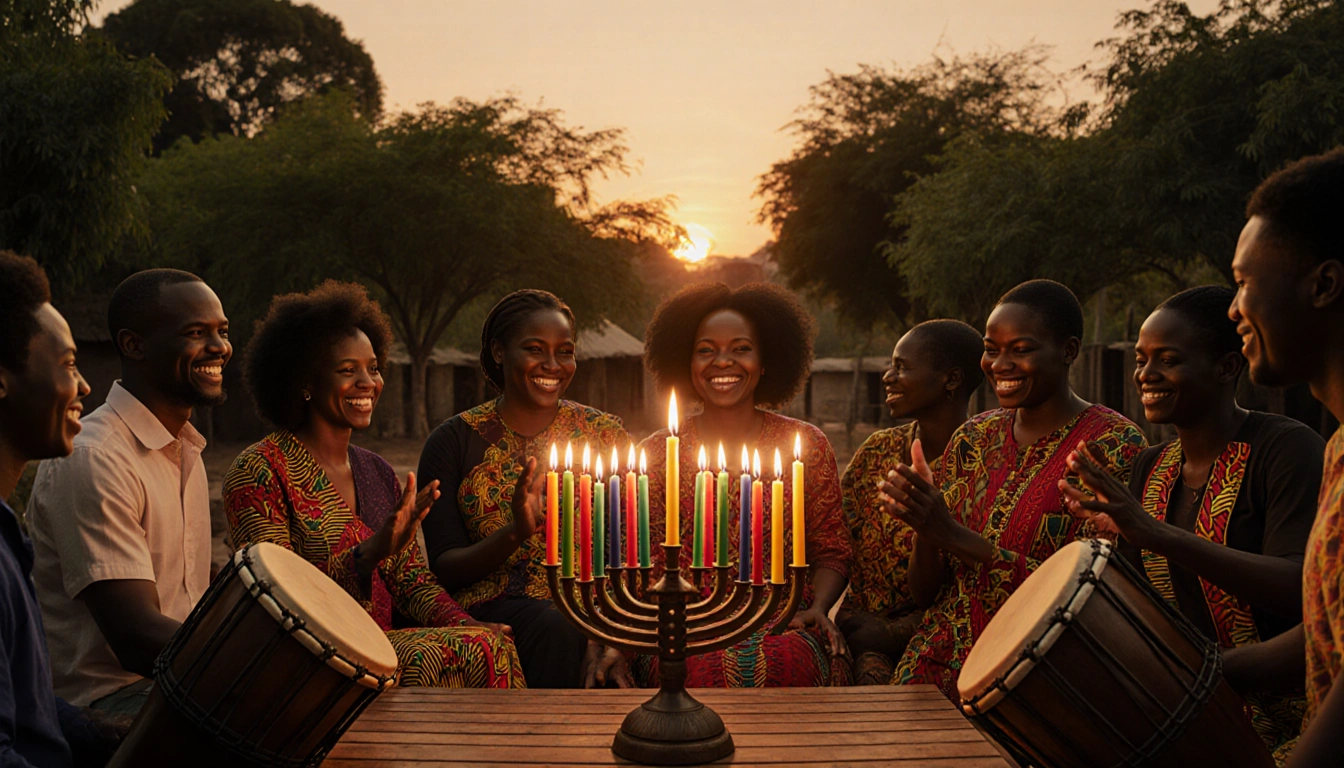
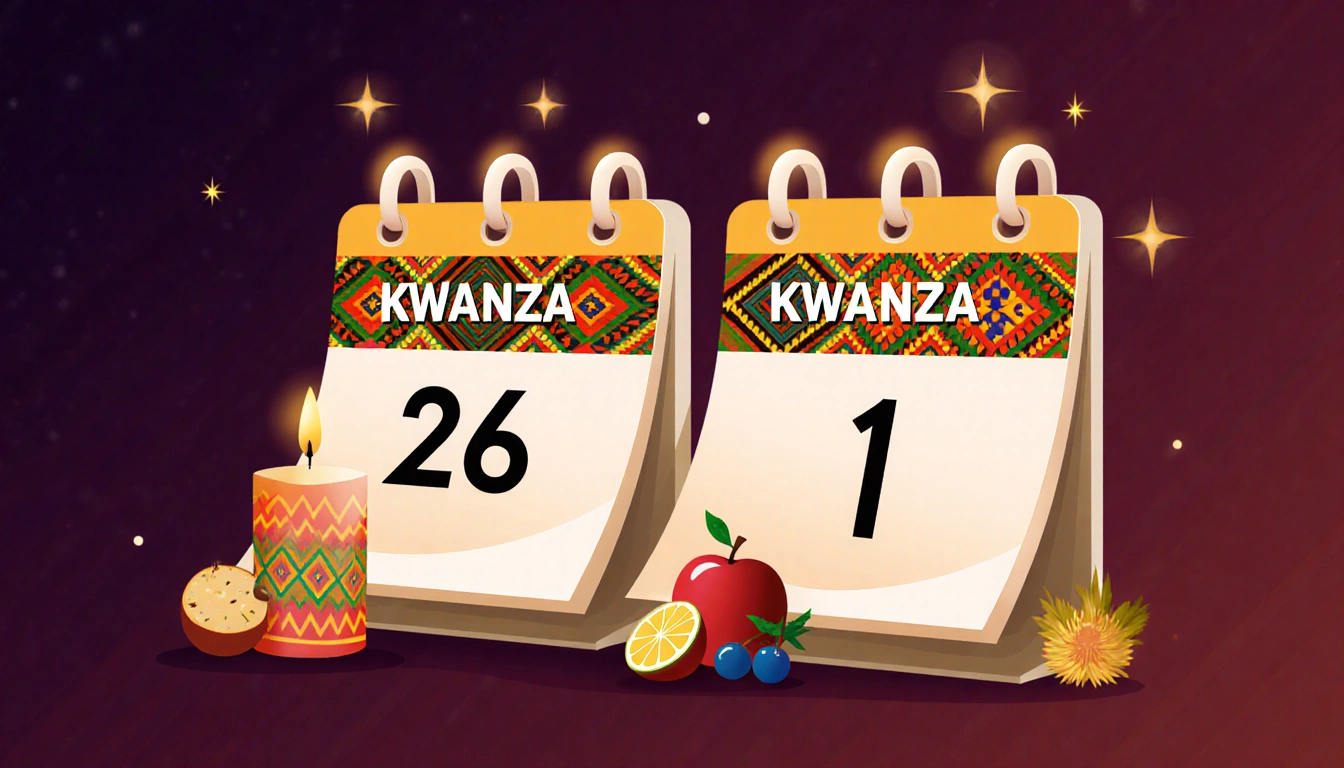
Kwanzaa, a seven-day holiday honoring African heritage, runs Dec 26-Jan 1. Created in 1966 by Maulana Karenga, it celebrates unity, faith, and hope.
What Is Kwanzaa?
Kwanzaa is a non-religious holiday that highlights African and African-American history and culture. It lasts seven days, each day focused on one of seven guiding principles.
When Is Kwanzaa Celebrated?
The holiday takes place annually from December 26 to January 1.
History and Purpose
Maulana Ron Karenga, an activist and author, established Kwanzaa in 1966. He intended the holiday to unite Black Americans and reaffirm African heritage. The celebration grew in popularity during the 1980s and 1990s alongside the Black Power movement. Karenga drew on harvest-festival traditions from across Africa. The Swahili phrase matunda ya kwanza-meaning “first fruits”-forms the word Kwanzaa.
How Families Celebrate
During the week, families gather for meals inspired by the African diaspora, read works by prominent Black writers and thinkers, and light a candle on the kinara-a seven-branched candelabra. The kinara holds one black candle, three red candles, and three green candles, reflecting the Pan-African flag: red for historical struggle, black for African-American people, and green for hope.
Other symbols include a woven mat called a Mkeka, an ear of corn for each child (Muhindi), fruit representing the harvest (Mazao), and gifts (Zawadi).
The Seven Principles (Nguzo Saba)
Each day of Kwanzaa focuses on one of the following principles:
- Umoja (Unity)
- Kujichagulia (Self-Determination)
- Ujima (Collective Work and Responsibility)
- Ujamaa (Cooperative Economics)
- Nia (Purpose)
- Kuumba (Creativity)
- Imani (Faith)
Key Takeaways
- Kwanzaa runs Dec 26-Jan 1 and is a seven-day celebration of African heritage.
- It was created in 1966 by Maulana Karenga to unite Black Americans and honor their culture.
- Each day highlights one of the seven principles, symbolized by the kinara candles and other African-inspired symbols.
Kwanzaa remains a vibrant expression of cultural pride, community, and shared values.