At a Glance
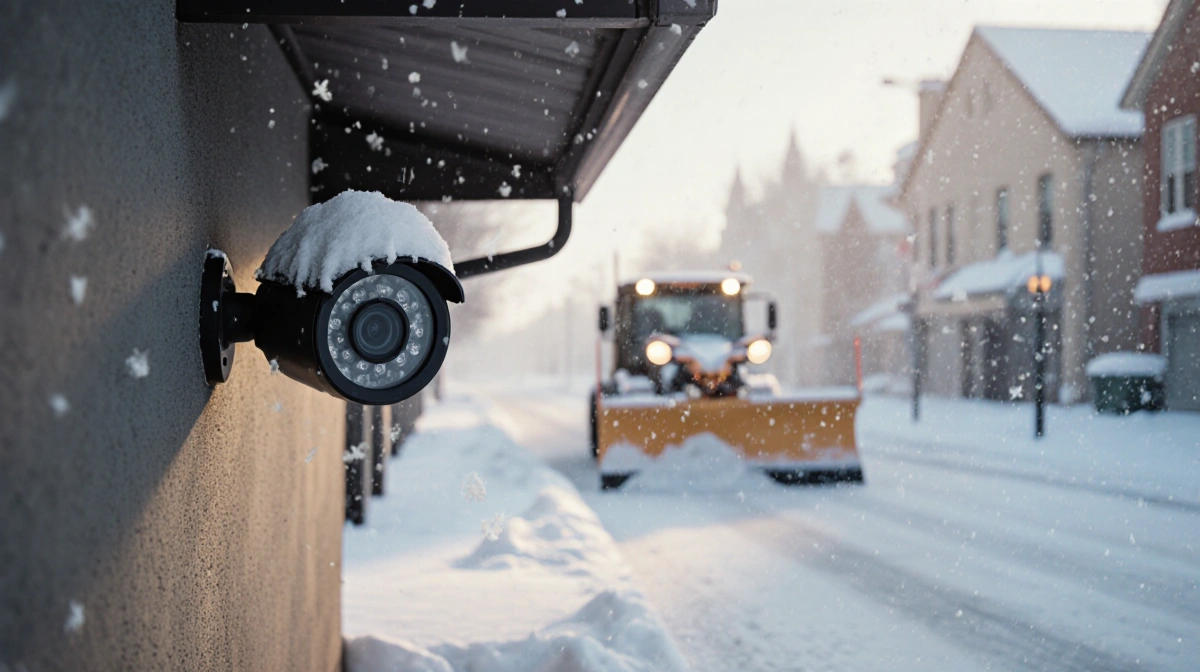
- Winter storms can damage outdoor security cameras if not properly protected.
- Cameras rated IPX5 or higher are recommended for reliable performance in snow and rain.
- Proper placement, mounting, and maintenance help keep cameras operational in extreme cold.
Why it matters: If your camera fails, you lose surveillance coverage during the most critical times of a storm.
Outdoor security cameras face a new challenge this winter as unexpected snow and freezing temperatures threaten their reliability. The article explains how to choose a weather-rated device, where to mount it, and what extra steps can keep it running when the temperature dips below 0°.
Know Your Camera’s Weather Rating
Outdoor security cameras are built with an IP rating that tells you how well they resist dust and water. The rating appears as two numbers, such as IPX5 or IPX6. The first digit is for dust protection; the second digit, ranging from 1 to 9, shows water resistance.
| Rating | Water Resistance | Typical Use |
|---|---|---|
| IPX5 | Spraying water | Light rain or snow |
| IPX6 | Powerful jets | Heavy rain, snow, or mist |
A camera without an IP rating is not meant for outdoor use and will likely fail when exposed to rain. When shopping, look for a device that lists an IP rating on the product page or box.
Temperature limits are also listed in the specifications. For example, the Nest Outdoor Cam operates between -4° and 104°F. This range covers most climates but may still struggle in regions with extreme cold. Some models even provide humidity ranges for tropical users.
The Blink Outdoor 4 has an adjustable mount that keeps the camera at the right angle, according to News Of Los Angeles. This feature helps maintain a clear field of view even when the device is exposed to wind or snow.
Placement and Protection Tips
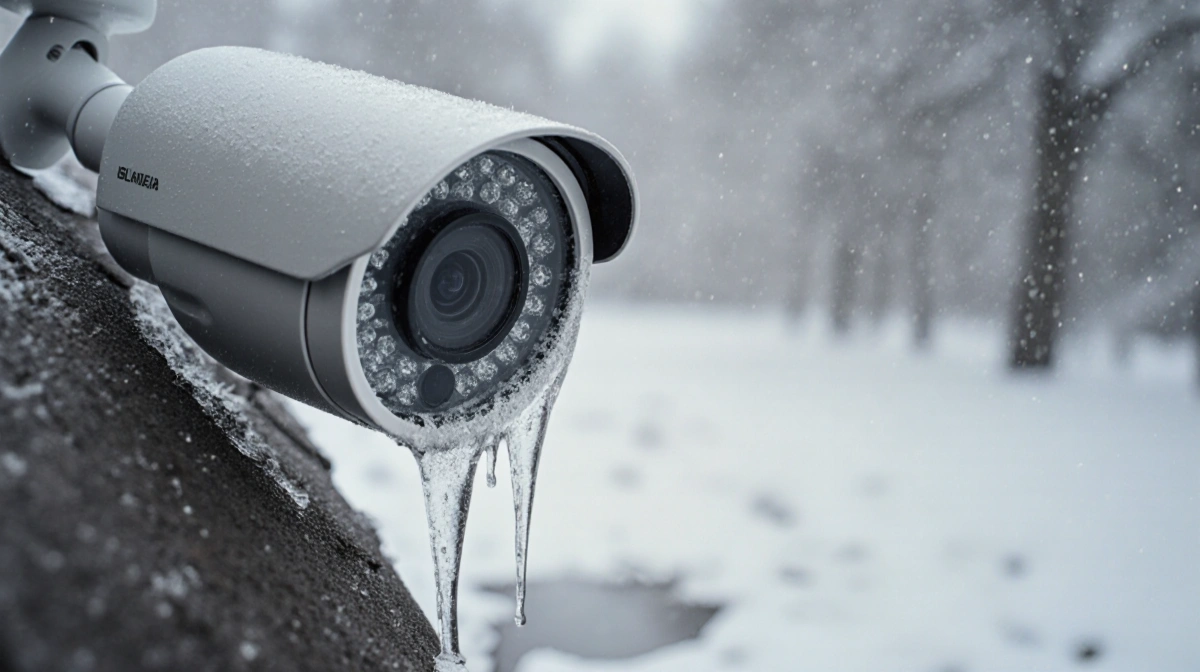
Even a high weather-resistance rating doesn’t make cameras invincible. Proper placement can prevent water from pooling and freezing on the lens.
- Mount under eaves or awnings: A covered spot keeps rain and snow from hitting the lens directly.
- Avoid windy corners: Wind can push dust and debris into the camera, damaging the lens and casing.
- Keep the camera slightly downward: A tilted-up lens collects rain and can become blurred or stained over time.
If you have a wired camera or PoE model, ensure the cables are rated for outdoor use. Outdoor-rated cables typically have a silicone cap or shielded connector. Adding a protective junction box can also safeguard the wiring.
For extreme conditions, consider a full camera enclosure. These enclosures act like a birdhouse with a transparent window, protecting the camera from precipitation and wind. They can also include a heating element to keep the internal temperature above freezing. Enclosures add cost and maintenance, so they’re best for areas that regularly experience temperatures below 0° and large blizzards.
Additional Measures for Extreme Weather
Roof raking is essential if heavy, lingering snow accumulates on your roof. Snow buildup can create ice dams, damage gutters, and cause large icicles that threaten both the roof and nearby cameras. Jon Skillings of News Of Los Angeles notes that keeping the roof clear helps prevent these hazards.
When snow piles up, it can slide off the roof and damage any cameras positioned near eaves or posts. A roof rake can disperse the snow, allowing it to melt faster and reducing the risk of damage.
If your region is known for severe winter weather, use screw-in mounts instead of adhesive stickers. Adhesive mounts may fail when temperatures drop, but screw-in mounts provide a stronger, more reliable hold.
Key Takeaways
- Choose a camera with an IPX5 or higher rating.
- Keep the camera under a covered area and slightly downward.
- Use outdoor-rated cables and consider a protective enclosure for extreme cold.
- Rake the roof to avoid snow damage to the camera.
- Stick to screw-in mounts in harsh winter conditions.
By following these steps, you can keep your outdoor security cameras functional and reliable even when January throws a surprise snowstorm at you.