At a Glance
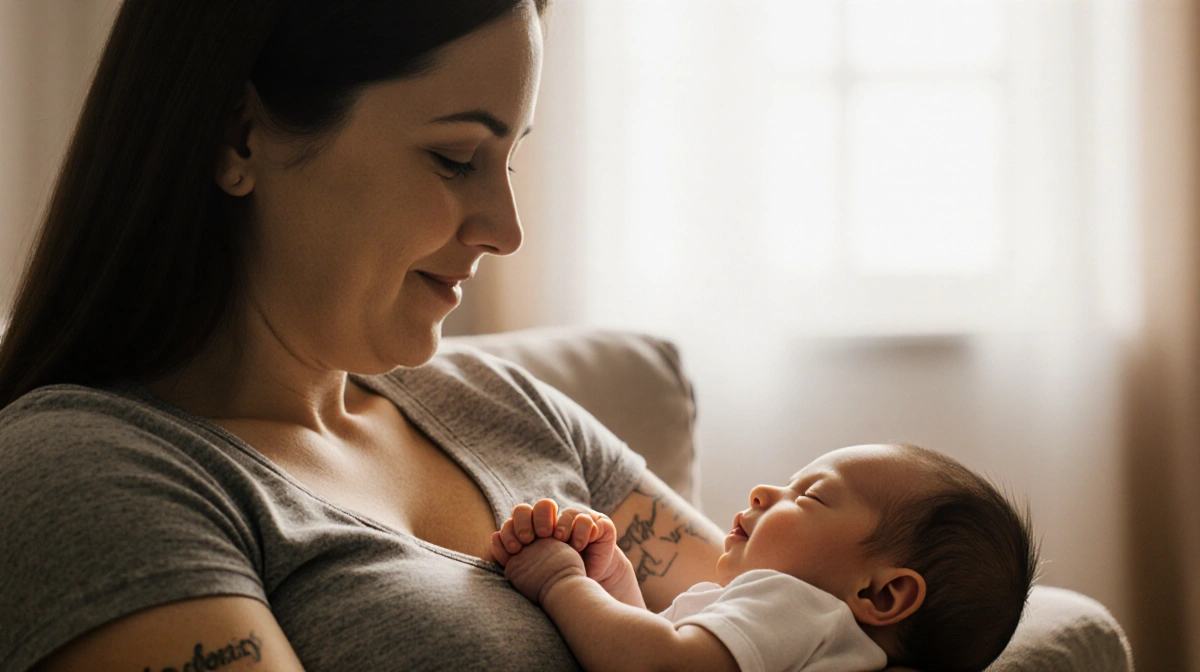
- Karina Klein suffered a severe autoimmune flare after giving birth, leaving her unable to walk, talk, or hold her newborn.
- After nine weeks of intensive therapy, she can walk, make pottery, and carry her son for the first time.
- She now returns home to Kalamazoo, continuing outpatient care and sharing her story with the community.
- Why it matters: It highlights the hidden risks of postpartum autoimmune complications and the resilience required to recover.
Karina Klein’s journey began on January 22, 2026, when she told a local news affiliate about her progress. The story, originally reported by Sophia A. Reynolds at News Of Los Angeles, has drawn attention to a rare but serious condition that can strike new mothers.
The Sudden Onset
A week after delivering her son, Klein experienced stroke-like symptoms that made it impossible to walk, talk, or lift her head. Doctors later identified the cause as an autoimmune flare-up triggered by childbirth. The flare produced lesions on her spine and brain stem and caused widespread inflammation.
The condition left her unable to hold her baby. She described the moment when the hospital staff placed the newborn beside her: ‘All they could do was set him by me. I couldn’t move my arms. I couldn’t hold him.’
Hospital and Early Care
Klein spent several weeks at Mary Free Bed Rehabilitation Hospital in Kalamazoo. During this time, she received:
- Neurological assessments to map the extent of spinal and brain stem damage.
- Physical therapy focused on restoring basic motor functions.
- Occupational therapy to aid daily living skills such as dressing and feeding.
These treatments were crucial in regaining her mobility and confidence.
Therapy Milestones
After nine weeks of therapy, Klein reported significant improvements:
- She can walk around the hospital with minimal support.
- She has started making pottery, a hobby she loved before pregnancy.
- She carried her son in a carrier for the first time, a moment she described as ‘the first time I could hold him.’
These milestones were confirmed by the hospital’s rehabilitation team, who noted steady progress.
Return to Home
Klein has now returned to her home in Kalamazoo, where she will continue outpatient therapy. The transition to home care involves:
- Regular visits from physical therapists.
- A home exercise program tailored to her recovery goals.
- Support from family members for daily activities.
Her primary motivation for regaining mobility remains her son’s well-being.
Emotional Resilience
Klein’s story emphasizes the emotional toll of postpartum complications. She told the news affiliate that her son is her ‘primary motivation’ for recovery. She also shared a message for him:
‘I want him to know to fight and be strong,’ she said. ‘And that God’s always looking over, and there’s a plan for everything.’
Her faith and determination provide a source of strength for both mother and child.
Community Impact
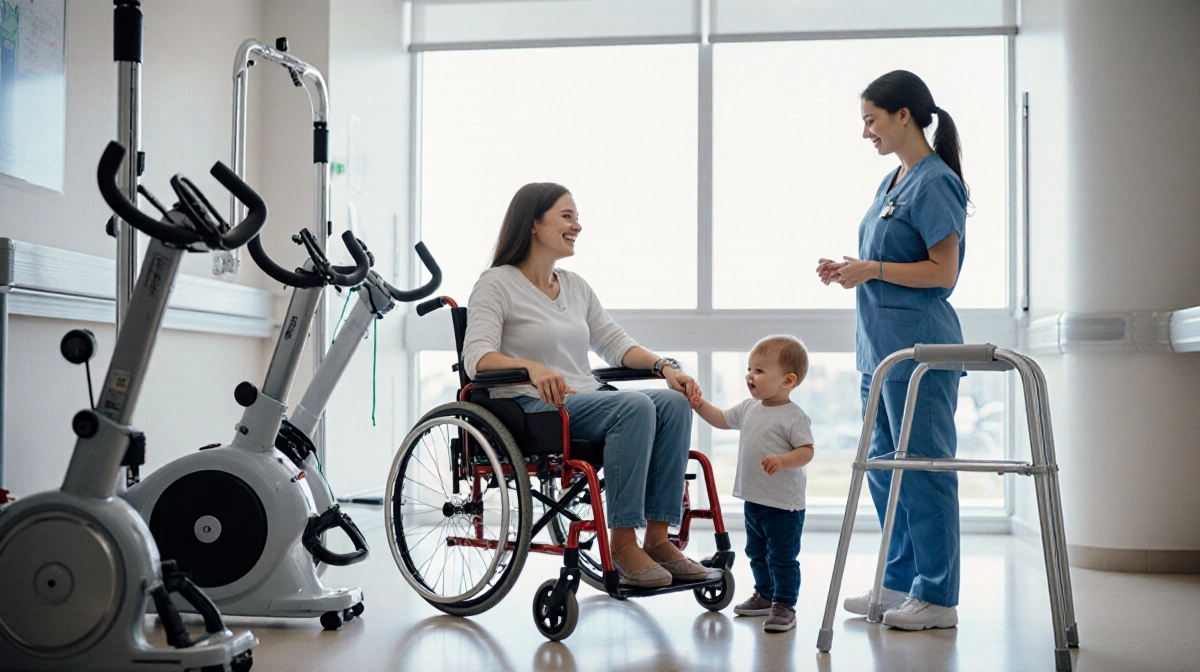
The case has sparked conversations among healthcare providers and new parents about postpartum health. While autoimmune flares are rare, the medical community stresses the importance of:
- Early recognition of neurological symptoms.
- Prompt medical evaluation and intervention.
- Comprehensive rehabilitation plans.
These steps can improve outcomes for mothers experiencing similar conditions.
Timeline of Events
| Date | Event |
|---|---|
| January 22, 2026 | Klein shares her recovery progress on local TV. |
| Week after delivery | Onset of stroke-like symptoms and hospitalization. |
| Weeks 1-9 | Intensive inpatient therapy at Mary Free Bed. |
| Week 9 | First successful walk and pottery session. |
| Week 9 | First time carrying son in a carrier. |
| Post-week 9 | Transition to outpatient care in Kalamazoo. |
Key Takeaways
- Autoimmune flares can cause severe postpartum complications, including paralysis and speech loss.
- Early intervention and intensive rehabilitation can restore significant function.
- Family support and personal motivation are vital components of recovery.
Karina Klein’s experience underscores the resilience of new mothers and the critical role of comprehensive care in overcoming unexpected health challenges.
Mary Free Bed Rehabilitation Hospital is located in Kalamazoo and offers a range of services including stroke rehabilitation, orthopedic care, and outpatient programs. The facility is staffed by a multidisciplinary team that collaborates to design personalized treatment plans. Patients often report feeling supported by the hospital’s community atmosphere.
The primary goal of Klein’s therapy was to restore her ability to perform basic self-care tasks. Therapists focused on improving muscle strength, coordination, and fine motor skills. Progress was measured through standardized functional assessments.
During the early weeks, Klein struggled with fatigue and pain, which limited her participation in therapy sessions. Her medical team adjusted the intensity of exercises to accommodate her recovery pace. Despite setbacks, she remained determined to regain independence.
Klein’s support network included her partner, who accompanied her to therapy sessions, and her parents, who helped with household chores. This support helped maintain her motivation and reduced feelings of isolation. She credits her family for keeping her spirits high.
Local health educators used Klein’s case to host informational sessions for new parents. Topics covered included recognizing warning signs of postpartum complications and seeking timely care. These sessions aim to reduce delays in diagnosis and treatment.