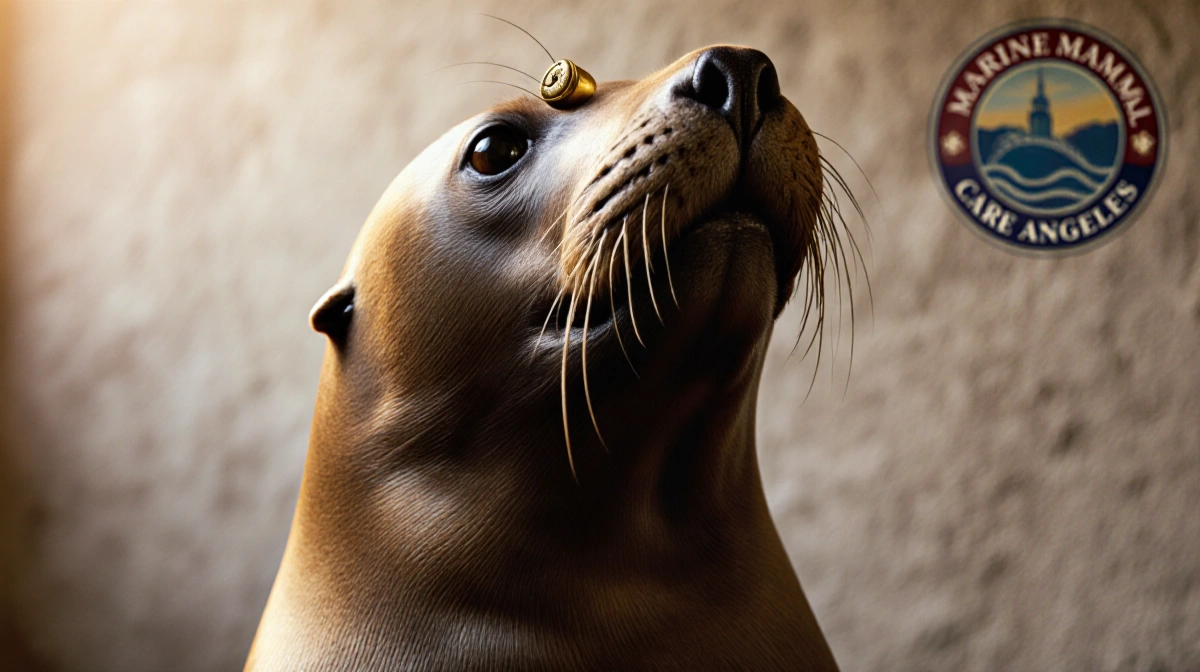
A sea lion rescued from Ballona Creek has survived a bacterial infection and two bullets lodged in his skull, according to the Marine Mammal Care Center Los Angeles. The animal, named Confetti the sea lion, began treatment on Jan. 5 and is now showing signs of recovery.
At a Glance
| Key Fact | Detail |
|---|---|
| Subject | Confetti the sea lion |
| Rescue date | Jan. 5 |
| Injuries | Two bullets in head |
| Illness | Leptospirosis, liver problems |
| Recovery | Antibiotics, fluids, improvement |
The rescue team found the sea lion in Ballona Creek, a channeled stream in southwestern Los Angeles County, where it had been entangled in debris for several days. Upon arrival, veterinarians performed a full physical exam and collected blood samples for analysis.
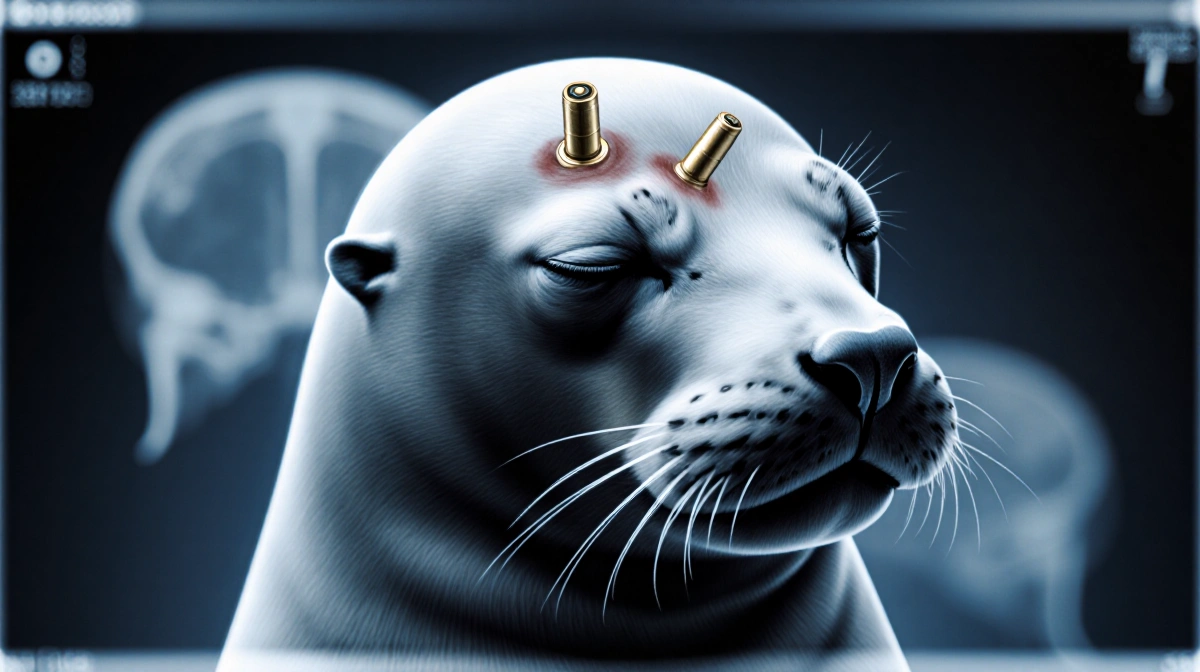
Skull X-rays revealed the presence of two bullets embedded in the animal’s cranial region, a finding that immediately raised concerns about potential brain injury and infection risk. The bullets were identified as small, 9mm fragments likely from a handgun.
“Sadly, it is not unusual to find sea lions that have been shot by humans, highlighting the prevalence of violence these animals face,” the Care Center said in a Facebook post. “Many die, but some, like Confetti the sea lion, survive.”
Blood work also revealed liver problems, a common complication in sea lions infected with leptospirosis. The bacterial disease primarily targets the kidneys but can spread to other organs, leading to multi-organ failure if untreated.
To counter dehydration and support organ function, the team administered intravenous fluids and broad-spectrum antibiotics. The dosage schedule was adjusted daily based on laboratory results and the animal’s response to therapy.
During the first three days, Confetti the sea lion remained sedated for pain management and monitoring. Vital signs were recorded hourly, and blood samples were taken twice daily to track white blood cell counts and creatinine levels.
By day four, the sea lion’s heart rate had stabilized, and the fluid balance improved. The team noted a gradual rise in appetite, with the animal beginning to nibble on soft feed before progressing to live fish.
On day seven, the sea lion chased and ate live fish, a milestone indicating regained mobility and normal feeding behavior. This rapid improvement signaled that the infection was under control and that the bullet wounds were not causing acute neurological deficits.
The discovery of bullets in the sea lion’s head underscores the ongoing threat posed by firearms to marine wildlife in urban waterways. Similar cases have been documented in other coastal regions, where stray bullets or hunting accidents result in injuries.
The Care Center’s statement reflects a broader pattern of violence against sea lions, with many individuals found shot in parks, rivers, and creeks across Southern California. The organization stresses that public awareness and reporting are essential to reduce such incidents.
Marine Mammal Care Center Los Angeles specializes in treating injured and sick marine mammals, providing surgical intervention, rehabilitation, and release programs. Their team includes veterinarians, marine biologists, and support staff dedicated to wildlife health.
Following the initial treatment phase, the sea lion will continue to receive regular check-ups to monitor kidney function, liver enzymes, and overall health. The team plans to keep him in the facility until he can safely rejoin his natural habitat.
Local residents and animal lovers have shared messages of support on social media, praising the Care Center’s efforts. Several volunteers have offered to assist with clean-up drives and educational outreach about wildlife protection.
The case highlights the importance of rapid response and comprehensive care in treating wildlife infections. It also demonstrates that even severe injuries, such as bullet wounds, can be managed with timely veterinary intervention.
Going forward, the Care Center will continue to document and share treatment protocols to aid other facilities facing similar challenges. They also aim to collaborate with law enforcement to address the root causes of wildlife shootings.
While Confetti the sea lion is on a positive trajectory, the long-term outcome depends on continued monitoring and environmental factors. The team remains vigilant for any signs of relapse or new complications.
Key Takeaways
- Confetti the sea lion survived two bullets in his head and a lethal bacterial infection.
- Treatment involved antibiotics, fluids, and close monitoring of kidney and liver function.
- The case highlights ongoing human-induced violence against marine wildlife.
- Support for rescue organizations and stricter gun safety can help protect species like Confetti the sea lion.
This story serves as a reminder that urban waterways are fragile ecosystems where human actions can have lasting impacts on marine life. By supporting rescue organizations and advocating for stricter gun safety, communities can help protect species like Confetti the sea lion.