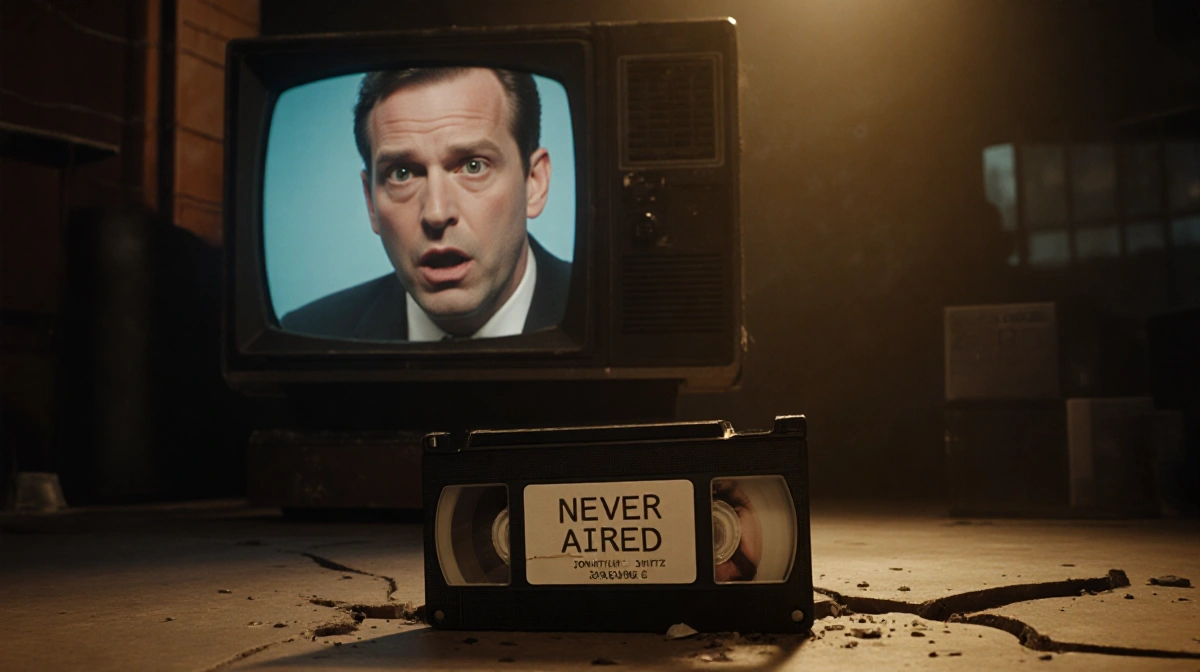
A 1995 segment on The Jenny Jones Show that was meant to be a light-hearted confession of a secret crush turned into a deadly tragedy. The episode, featuring Scott Amedure and his acquaintance Jonathan Schmitz, never aired but became the centerpiece of a murder investigation that ended with Schmitz serving 22 years in prison.
At a Glance
- Scott Amedure publicly revealed a crush on Jonathan Schmitz in March 1995.
- Schmitz shot Amedure twice in the chest three days later, then called 911 to confess.
- After a retrial, Schmitz was convicted of second-degree murder, served 22 years, and was paroled in 2017.
- The case is revisited in ABC’s docuseries Dirty Talk: When Daytime Talk Shows Ruled TV.
- Why it matters: The story exposes the potential dangers of exposing private feelings on national television and the long-term legal consequences that followed.
Background
The Jenny Jones Show aired from 1991 to 2003 and was known for its controversial “secret crush” segments. In 1995, 32-year-old Scott Amedure appeared on the program to confess his admiration for 24-year-old Jonathan Schmitz. Schmitz, who identified as heterosexual, had agreed to participate after producers promised that the admirer could be a man or a woman.
The Fatal Episode
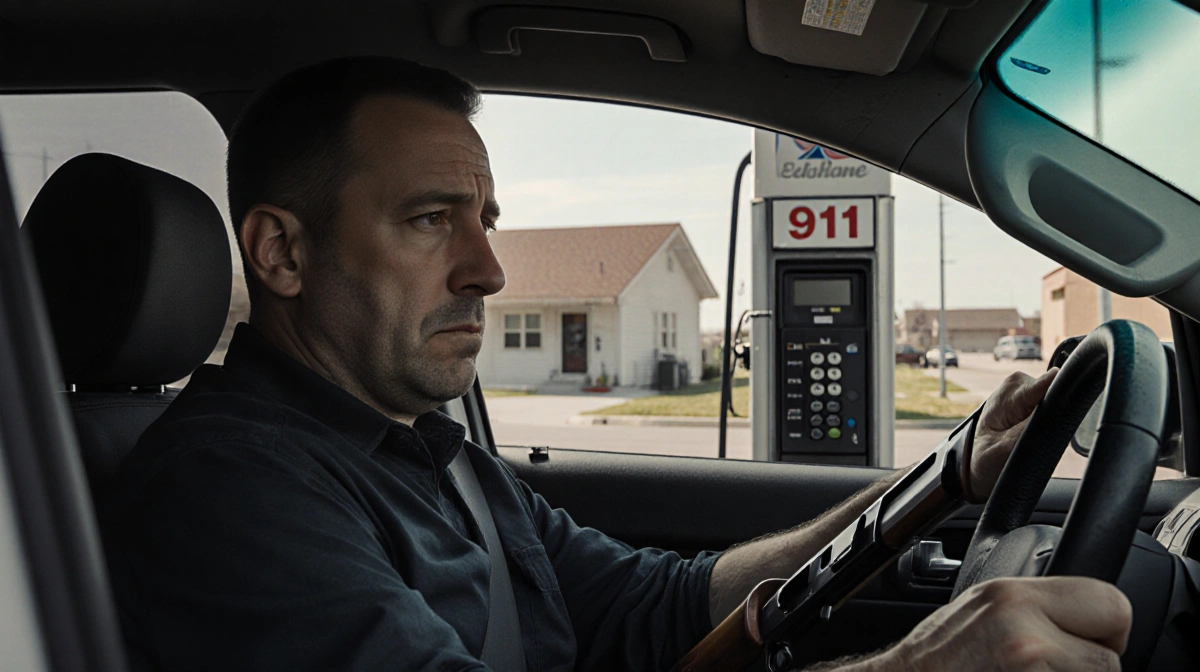
Three days after the episode was recorded, Schmitz bought a shotgun, drove to Amedure’s suburban Detroit home, and shot him twice in the chest. He then drove to a gas station, dialed 911, and confessed to the killing, explaining that he felt embarrassed by the public revelation. Schmitz was arrested and charged with first-degree murder.
Legal Proceedings
In 1996, Schmitz was sentenced to 25 to 50 years in prison after a conviction for second-degree murder. The conviction was later overturned on appeal, but he was retried and convicted again in 1999. He ultimately served 22 years before being released on parole in 2017.
At trial, Schmitz’s defense invoked the “gay panic” defense, a controversial strategy that frames a same-sex advance as provocation. The defense also cited mental health issues as a mitigating factor.
Key Legal Milestones
| Date | Event |
|---|---|
| March 1995 | Amedure’s confession recorded |
| March 1995 | Schmitz shoots Amedure |
| 1996 | Initial conviction and sentencing |
| 1999 | Retrial and conviction |
| 2017 | Parole after 22 years |
The Docuseries
ABC’s three-part docuseries Dirty Talk: When Daytime Talk Shows Ruled TV revisits the case. The second episode, titled “Part 2: Talked to Death,” aired on January 21 and explores the ethical questions surrounding talk-show segments that expose personal information.
A press release for the series reads:
> “Hear candid, never-before-told stories from the hosts, producers and insiders who defined the talk TV world, alongside expert analysis that explains why millions tuned in and why guests were willing to unabashedly share it all on national television.”
Family Perspective
In 1995, Amedure’s family filed a wrongful-death lawsuit against the show and its partners, including Warner Bros. A jury later found they were not legally liable.
Frank Amedure, the victim’s brother, spoke to News Of Los Angeles in 2017 at the time of Schmitz’s release:
> “I guess it’s like any other person who’s lost a family member to murder – they wouldn’t feel comfortable about the murderer being released. It might be easier if he was old, an old gray-haired man. But he’s still pretty young at 47 – he’s still got a lot to go, and my brother doesn’t.”
Frank added that, while his family feels Schmitz was victimized in the situation, they also empathize with the broader context:
> “But there’s a side of, at least me and maybe some of my family members, that we do feel he was victimized in all of this, and so we can empathize with all of that.”
He remembered his late brother as someone who was “fun-loving,” and “compassionate,” adding:
> “He didn’t deserve to be killed, that’s for sure.”
Legacy of the Show
The Jenny Jones Show ended in 2003, after which Jones shifted her focus to cooking content and a website and YouTube channel titled Jenny Can Cook; the last video was posted in 2018.
The episode featuring Amedure was never aired but was used as evidence in court. Host Jenny Jones testified during the trial, saying she had little input and that it was not an ambush. She clarified to News Of Los Angeles in 1999:
> “It was not the ‘Jenny Jones murder,’ it was the Jonathan Schmitz murder.”
Key Takeaways
- A public confession on a daytime talk show can have deadly consequences.
- Legal strategies such as the gay panic defense can influence trial outcomes, though they are controversial.
- The case highlights the responsibilities of producers when handling personal disclosures.
- The docuseries offers an in-depth look at the ethical pitfalls of daytime television.
For ongoing coverage of crime stories and updates on the parole of Schmitz, sign up for News Of Los Angeles‘s free True Crime newsletter.
References
- Daniel J. Whitman reported.
- News Of Los Angeles provided updates.