- Three Andean condors have been released into Chile’s Patagonia National Park.
- These raptors can have a wingspan of up to 10 feet, weigh up to 33 pounds, and live up to 70 years.
- The release is part of the Rewilding Chile Foundation’s Manku Project, a long-term effort to recover a species listed as Vulnerable.
Why it matters: Restoring these scavengers helps keep ecosystems healthy and signals progress in conservation.
Introduction
Three of the world’s largest raptors have returned to the wild after rehabilitation. In a quiet ceremony in Patagonia National Park, a female named Carmen and two males, Farellón and Auquinco, joined a growing flock of Andean condors that have been released over the past decade. The event underscores the progress of the Rewilding Chile Foundation’s Manku Project, which has been working to protect the species since 2014.
A New Chapter for the Andean Condor
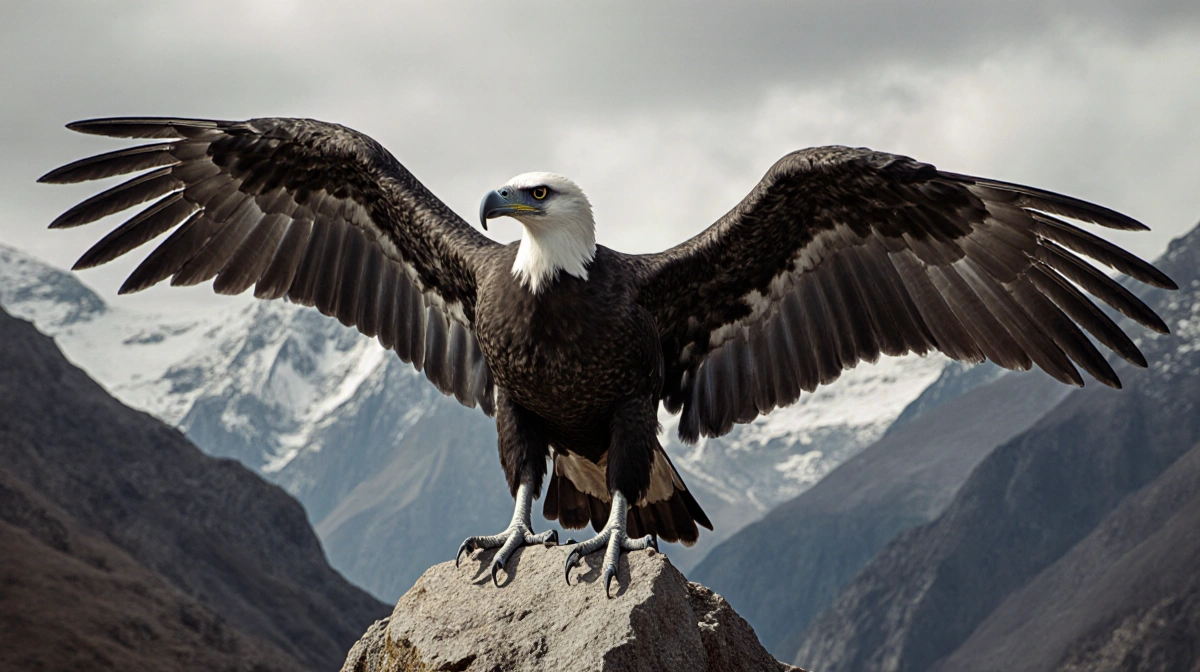
The Andean condor, Vultur gryphus, is a symbol of national pride for several South American countries, including Chile, Bolivia, Colombia, Ecuador, and Peru. Its impressive size-wingspans up to 10 feet-makes it the largest living raptor. The birds are also notable for their longevity; individuals can live up to 70 years and weigh up to 33 pounds.
| Feature | Detail |
|---|---|
| Wingspan | Up to 10 feet |
| Weight | Up to 33 pounds |
| Lifespan | Up to 70 years |
| Coloration | Black and gray feathers, with white near the head |
These traits, combined with their scavenging habits, make the condor a keystone species in the Andean ecosystem.
The Manku Project and Its Partners
Since 2014, the Rewilding Chile Foundation has focused on conserving the Andean condor through a partnership with the Chilean Ornithological Union (UNORCH) and the Livestock and Agriculture Service (SAG). When birds are rescued, they are transported to the Raptor Rehabilitation Center in Talagante, where they receive medical care and health checks before release.
Key partners
- Rewilding Chile Foundation – leads the Manku Project.
- UNORCH – Chilean Ornithological Union.
- SAG – Livestock and Agriculture Service.
- Raptor Rehabilitation Center – provides medical care.
The foundation’s work is guided by data from the International Union for Conservation of Nature, which listed the species as Vulnerable in 2020.
Why Condors Matter
As scavengers, condors play a vital role in disease control and soil health. By consuming carcasses, they remove flesh that might carry harmful bacteria or fungi, preventing the spread of disease to other animals. Their feeding behavior also enriches the soil, promoting nutrient-rich growth.
Condors often wait near a carcass for hours, or even days, before making their move. This patience allows them to locate the safest and most nutritious food, ensuring that the carcass is broken down efficiently and safely for the ecosystem.
Threats Facing the Species
Rewilding Chile identifies several human-caused threats that have driven the species toward extinction:
- Illegal hunting – direct removal of birds from the wild.
- Decline in food sources – fewer carcasses available due to livestock management.
- Habitat loss – expansion of agriculture and development reduces suitable roosting and nesting sites.
- Secondary poisoning – poisoned carcasses intended for livestock predators can be ingested by condors.
These factors combine to keep the population in a precarious state, emphasizing the importance of ongoing conservation efforts.
The Release Event
During the ceremony, the three condors-Carmen, Farellón, and Auquinco-were gently guided into the open air of Patagonia National Park. They joined a group of previously released condors, creating a larger, more stable flock. The release site, known for its rugged terrain and abundant prey, offers an ideal habitat for the birds to thrive.
The event was attended by representatives from the Rewilding Chile Foundation, UNORCH, SAG, and local conservation volunteers. Their collective goal is to monitor the condors’ adaptation to the wild and to ensure that the population continues to grow.
Future Outlook
The Manku Project plans to continue releasing rehabilitated condors and to expand monitoring efforts throughout Chile’s Andean region. By maintaining partnerships with local authorities and international conservation bodies, the foundation aims to secure a stable future for the species.
In addition to releases, the foundation will focus on:
- Public education to reduce illegal hunting.
- Habitat restoration projects to expand suitable roosting sites.
- Poisoning mitigation by collaborating with livestock farmers.
The success of the recent release demonstrates that with coordinated effort, the Andean condor can recover from the brink of extinction.
Key Takeaways
- Three rehabilitated Andean condors were released into Chile’s Patagonia National Park.
- The condor is the world’s largest raptor, with a wingspan of up to 10 feet.
- The species faces threats from hunting, habitat loss, and secondary poisoning.
- The Rewilding Chile Foundation’s Manku Project is leading conservation efforts since 2014.
- Continued releases and community engagement are essential for long-term recovery.