
At a Glance
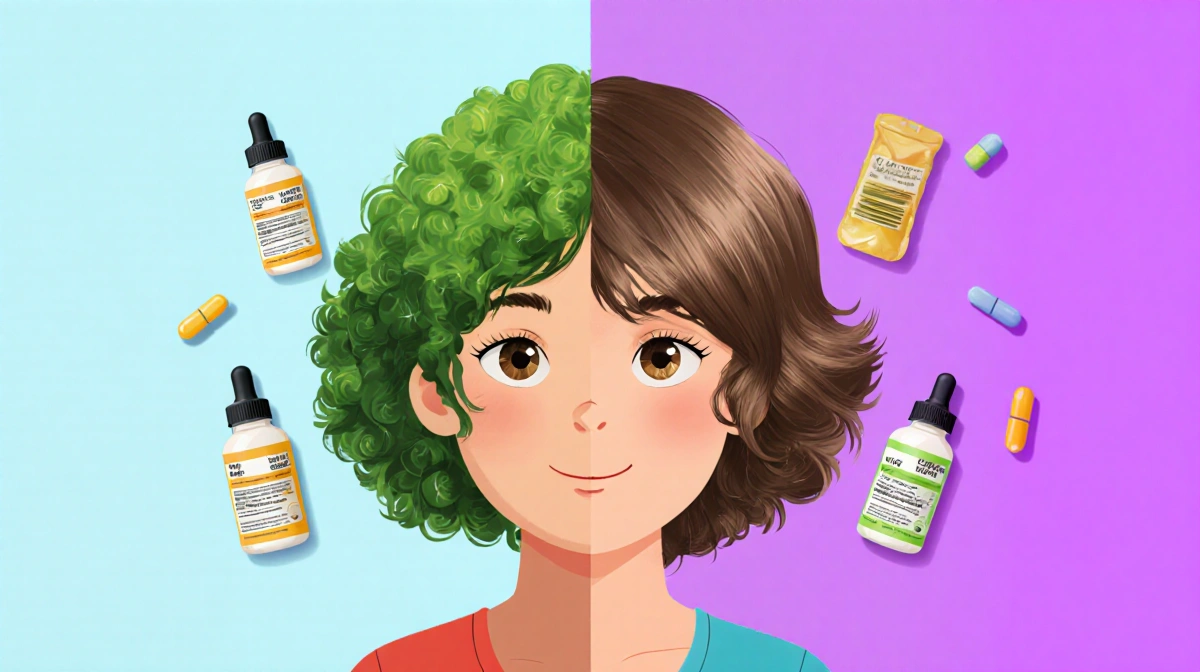
- Normal daily hair loss is 50-100 hairs.
- About 80 million Americans experience hair loss or alopecia.
- Key nutrients for hair health include biotin, vitamins A, C, D, E, iron, and zinc.
Why it matters: Knowing which vitamins support hair can help people make informed dietary choices and decide when to seek medical help.
Hair loss is common, but it can also signal underlying health issues. The American Academy of Family Physicians estimates that 80 million U.S. adults suffer from hair loss or alopecia. While shedding 50 to 100 hairs a day is normal, a sudden increase may indicate a deficiency or medical condition.
What Causes Hair Loss
Hair loss can stem from genetics, medications, stress, or nutrient gaps. A vitamin or mineral deficiency often shows up as thinning or breakage. When the body lacks the building blocks for keratin, the protein that forms hair, follicles struggle to produce strong strands.
How Vitamins Support Hair
Vitamins help by:
- Promoting cell growth and division.
- Acting as antioxidants that neutralize free radicals.
- Nourishing follicles to encourage healthy growth.
- Supporting collagen production, which keeps hair elastic.
Because hair cells grow fastest, vitamins that fuel cellular activity are especially important.
Key Vitamins for Hair Growth
| Vitamin | Main Role | Common Food Sources | Typical Daily Intake | Possible Side Effect |
|---|---|---|---|---|
| Biotin | Stimulates keratin production | Eggs, meat, fish, nuts, sweet potatoes, seeds | 30 micrograms | Acne breakouts (reported in Reddit discussions) |
| Vitamin A | Produces sebum that moisturizes scalp | Sweet potatoes, pumpkin, carrots, spinach, kale, cod liver oil, eggs, yogurt, milk | 900 mcg (men), 700 mcg (women) | Birth defects if taken in excess during pregnancy |
| Vitamin C | Antioxidant; supports collagen and iron absorption | Citrus fruits, peppers, strawberries, tomatoes, guavas | 90 mg (men), 75 mg (women) | Heartburn, cramps, fatigue, skin flushing, kidney stones at high doses |
| Vitamin D | Linked to alopecia and hair shedding | Fatty fish, cod liver oil, fortified foods, mushrooms, sun exposure | 600 IU | Nausea, weight loss, dizziness, heart rhythm issues if overdosed |
| Vitamin E | Antioxidant; may increase hair growth by 34.5% in a small study | Sunflower seeds, spinach, avocados, almonds | 15 mg | None noted at recommended doses |
| Iron | Supplies oxygen to cells, aiding repair and growth | Eggs, red meat, lentils, spinach, oysters, clams | 45 mg | Constipation, stomach pain, vomiting if excessive |
| Zinc | Maintains oil glands around follicles | Beef, spinach, wheat germ, pumpkin seeds, oysters, lentils | 11 mg (men), 8 mg (women) | Loss of appetite, cramps, headaches, lowered HDL cholesterol |
The table summarizes the most commonly cited nutrients for hair health, their roles, foods that provide them, recommended daily amounts, and known side effects.
When Do Hair Growth Vitamins Take Effect?
Hair supplements are not instant fixes. The follicular cycle takes several weeks, so noticeable changes often appear after months of consistent use. The rate of improvement depends on:
- The underlying cause of hair loss.
- Current diet and nutrient status.
- Genetic predisposition.
- Lifestyle factors such as stress and sleep.
Expect gradual results; sudden, dramatic changes are unlikely.
Do Hair Vitamins Really Work?
Evidence suggests that vitamins can help if a deficiency exists. For example, a small study found a 34.5% increase in hair growth among participants taking vitamin E for eight months. However, people without a nutrient gap may not see benefits. Consistency is key-short-term or high-dose use without a deficiency rarely produces visible results.
Practical Tips for Using Hair Growth Vitamins
- Confirm a deficiency: Blood tests can identify low levels of vitamin D, iron, or biotin.
- Start with food: Prioritize whole-food sources before adding supplements.
- Follow recommended doses: Avoid exceeding daily limits unless advised by a doctor.
- Watch for side effects: Acne from biotin or heartburn from vitamin C may signal over-supplementation.
- Combine with healthy habits: A balanced diet, stress management, and gentle hair care can amplify benefits.
## When to Seek Medical Advice
If hair loss is significant, sudden, or accompanied by other symptoms, consult a healthcare professional. A doctor can:
- Identify medical conditions such as thyroid disease or anemia.
- Recommend targeted treatment plans.
- Rule out hormonal or autoimmune causes.
Cleveland Clinic advises that a healthy diet, stress reduction, medical condition management, loose hairstyles, and cooling caps for chemotherapy patients can all support hair health.
Bottom Line
Vitamins can restore damaged hair, prevent premature aging, reduce shedding, and boost volume-provided a deficiency exists. They are not a universal cure for all hair loss types. A balanced diet and professional guidance remain the foundation for healthy hair.
Key Takeaways
- Normal shedding is 50-100 hairs a day; more may signal a deficiency.
- Biotin, vitamins A, C, D, E, iron, and zinc are the most studied nutrients for hair.
- Supplements work best when a deficiency is present and taken consistently.
- Lifestyle factors and medical conditions also play major roles in hair health.
- Seek a doctor’s evaluation if hair loss is rapid or severe.