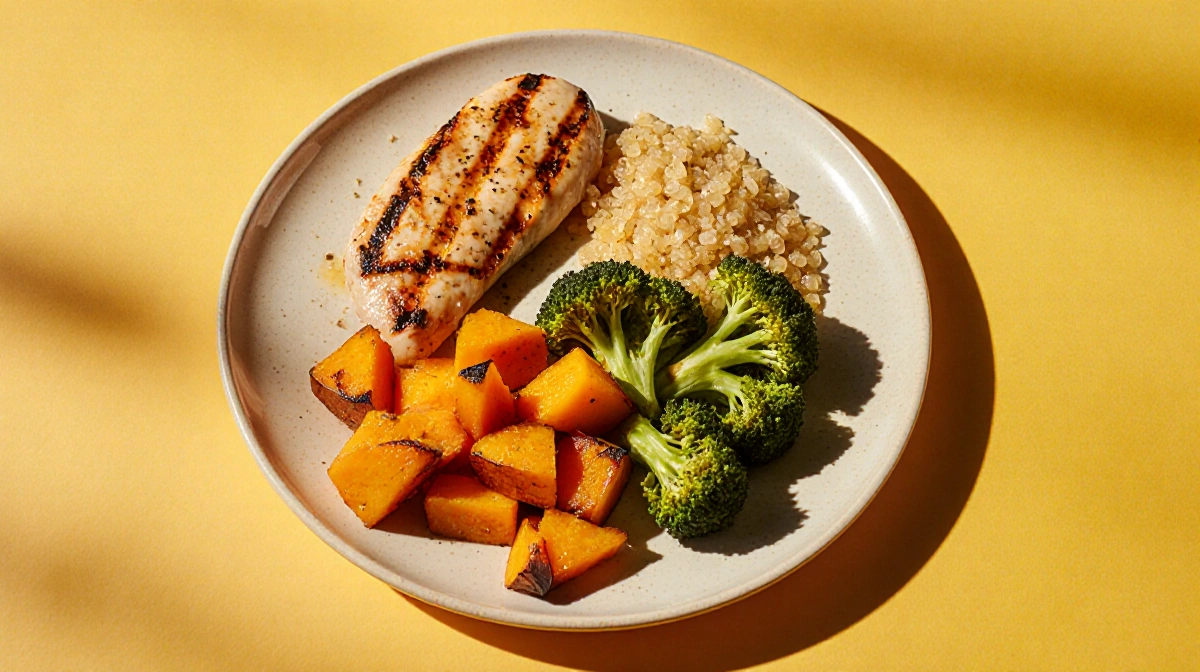
At a Glance
- Protein is essential for muscle, weight, energy and hormones.
- Adults should aim for 0.36 grams per pound of body weight.
- A 200-pound adult needs about 73 grams of protein each day.
- 100 grams of protein can be achieved with common foods, even on a vegan diet.
- Why it matters: Knowing how to reach these targets helps prevent deficiency and supports overall health.
Intro
Protein is a cornerstone of nutrition, yet many people struggle to know how much they need and how to get it. The latest guidance recommends 0.36 grams of protein per pound of body weight, which translates to 73 grams for a 200-pound adult and 43 grams for a 115-pound individual. This article shows how to reach a daily goal of 100 grams of protein using everyday foods, with separate examples for omnivores, carnivores, vegetarians, and vegans.
Why Protein Matters
Protein is made of amino acids, the building blocks of muscle, skin, enzymes and hormones. Adequate protein supports:
- Muscle maintenance and growth
- Weight regulation
- Energy production
- Hormonal balance
However, consuming too much can be harmful, just like any nutrient. Balance is key.
Calculating Your Needs
The USDA’s dietary calculator incorporates body weight, activity level and BMI. For reference:
- 200-pound adult → 73 grams per day
- 115-pound adult → 43 grams per day
These figures help you plan meals that match your personal requirements.
Protein Sources by Diet
Below are visual examples of what 100 grams of protein looks like on a plate for each dietary preference. The totals are based on nutrition labels of specific products.
1. Omnivore
| Item | Protein (grams) |
|---|---|
| Two eggs | 12 |
| Snack cheese | 5 |
| Greek yogurt | 15 |
| Beef sausage | 14 |
| One can of tuna | 27 |
| ½ cup rolled oats | 5 |
| 2 ounces deli ham | 10 |
| 1 ounce mixed nuts | 5 |
| Two slices rye bread | 10 |
| Total | 103 |
The plate slightly exceeds the daily target, offering a buffer for added carbs or veggies.
2. Carnivore
| Item | Protein (grams) |
|---|---|
| Four eggs | 24 |
| One can of tuna | 27 |
| Three beef meatballs | 15 |
| 2 ounces turkey bacon | 10 |
| 3 ounces turkey breast | 24 |
| Total | 100 |
Adding bread or other non-animal items will push the total above 100 grams.
3. Vegetarian
| Item | Protein (grams) |
|---|---|
| Four eggs | 24 |
| ½ cup rolled oats | 5 |
| Two snack cheeses | 10 |
| ¼ cup protein granola | 10 |
| One single-serve Greek yogurt | 15 |
| One tablespoon hemp seeds | 4 |
| Two tablespoons peanut butter | 7 |
| One scoop plant-based protein powder | 20 |
| Total | 99 |
The mix is close to 100 grams, and swapping a snack cheese for a larger portion can finish the target.
4. Vegan
| Item | Protein (grams) |
|---|---|
| 1 ounce nuts | 5 |
| ½ cup rolled oats | 5 |
| Protein granola bar | 8 |
| Two slices rye bread | 10 |
| ¼ cup protein granola | 10 |
| One tablespoon hemp seeds | 4 |
| Two tablespoons chia seeds | 10 |
| Two tablespoons peanut butter | 7 |
| One scoop plant-based protein powder | 20 |
| Total | 79 |
Doubling the mixed nuts, chia seeds and hemp seeds brings the plate to 93 grams. Adding an extra tablespoon of peanut butter or a full cup of oats can close the gap to 100 grams.
Note: Vegan meat substitutes like tofu, tempeh or plant-based burgers were excluded, but they can simplify reaching 100 grams.
Symptoms of Protein Deficiency
When protein is scarce, the body prioritizes vital organs, leaving hair, nails and other tissues vulnerable. Early signs include:
- Brittle hair and nails
- Anemia: constant fatigue, weakness, shortness of breath
- Weakened immune system and frequent infections
- Difficulty concentrating
- Mood swings
- Muscle loss or weakness
- Swelling
- Weight fluctuations
Recognizing these symptoms early can prompt dietary adjustments.
Practical Tips for Busy Lifestyles
- High-protein snacks: nuts, boiled eggs, cheese cubes, protein bars.
- Meal prep: batch-cook lean meats, hard-boil eggs, portion nuts.
- Supplement: protein powders can fill gaps when whole foods fall short.
- Avoid overreliance: treat shakes and bars as supplements, not main meals.
- Nutrient-dense choices: aim for foods that provide protein along with vitamins and minerals.
Bottom Line
Protein is indispensable for daily function, but most people can meet or exceed recommended amounts with simple, everyday foods. By planning meals around the examples above and using the tables as a guide, you can confidently hit a 100-gram target and keep deficiency symptoms at bay.
—
Key Takeaway: Knowing the protein content of common foods and matching them to your body weight makes achieving daily goals straightforward, even for strict diets.