At a Glance
- 15 hikers rescued from cold, icy conditions at Yankee Doodle Canyon on Jan. 17.
- Rescue involved helicopter, rope descent, and a three-hour rescue effort.
- All hikers declined medical transport after the rescue.
Why it matters: The incident highlights the dangers of winter hiking in Utah’s slot canyons and the importance of proper preparation.
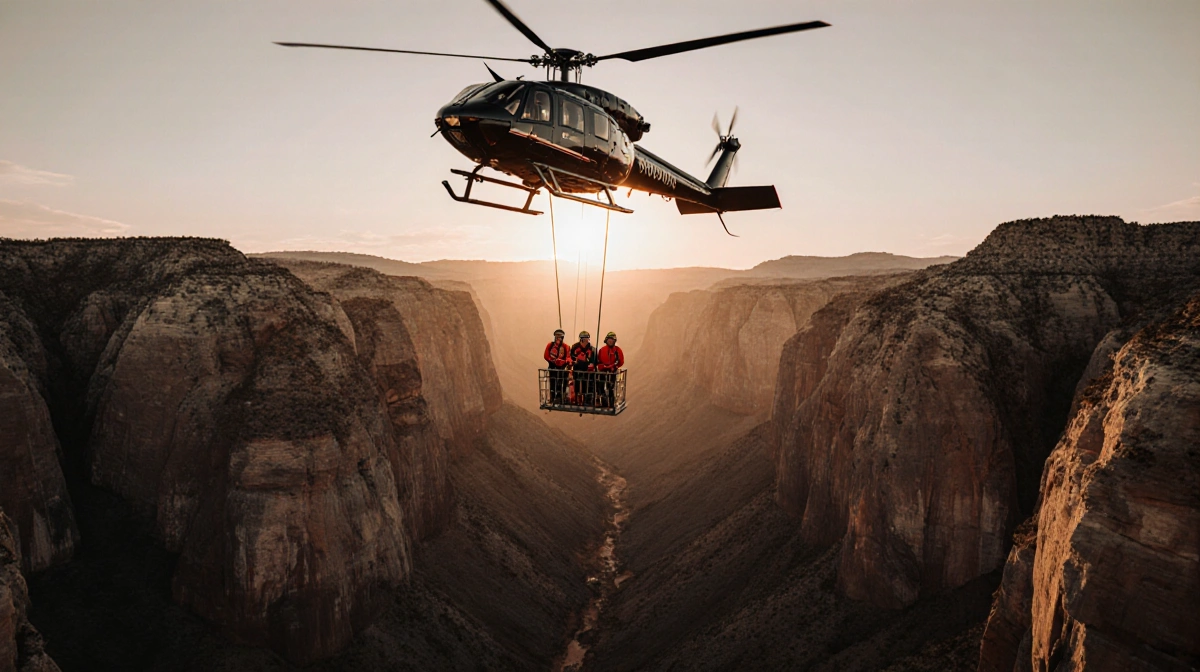
On Jan. 17, a team from Washington County Search and Rescue and the Utah Department of Public Safety pulled 15 stranded hikers out of Yankee Doodle Canyon after a three-hour rescue. The operation, which began at 4:15 p.m., exposed the risks of winter hiking in Utah’s cold, icy slot canyons and underscored the need for adequate winter gear and preparation.
Rescue Overview
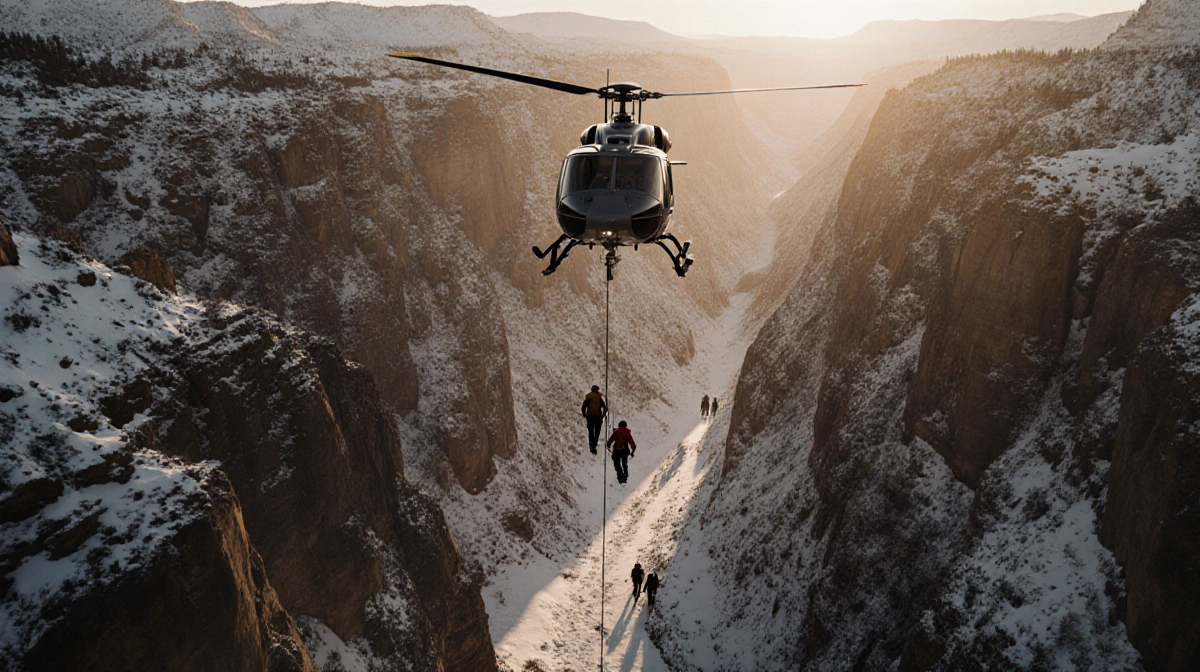
At 4:15 p.m. local time on Jan. 17, Washington County Search and Rescue (WCSR) received reports that a group of 10 hikers was struggling in cold, snowy, icy conditions at Yankee Doodle Canyon, according to Backpacker. Both WCSR and the Utah Department of Public Safety responded by helicopter. Once above the canyon, a rescuer descended on a rope to extract two hikers who were showing severe signs of hypothermia, as reported by KUTV. The remaining eight hikers were guided back to the trail.
While returning to the trailhead, the rescuers encountered a second group of five lost hikers. Those five also requested help. After a three-hour rescue effort, all 15 hikers declined medical transport and left the trailhead on their own.
Conditions and Challenges
The canyon’s interior remains frigid throughout winter and can hold water, making it especially dangerous for hikers who are not properly dressed. WCSR Sgt. Lucas Alfred told KUTV that Yankee Doodle Canyon is known to “get quite cold at all times except high noon.” He emphasized that “without proper prep in the winter, even one as mild as what we have this year, hypothermia is always a concern.”
The rescue highlighted several challenges:
- Cold, snowy, icy terrain made movement difficult for hikers.
- Limited visibility in the slot canyon increased the risk of getting lost.
- Hypothermia posed a serious threat, requiring immediate intervention.
The Rescue in Detail
| Time | Action | Notes |
|---|---|---|
| 4:15 p.m. | WCSR received call | Group of 10 hikers reported struggling |
| 4:30 p.m. | Helicopter arrived | WCSR and Utah Dept. of Public Safety on scene |
| 4:45 p.m. | Rope descent | Rescuer removed two hikers with hypothermia |
| 5:00 p.m. | Guided eight hikers | Returned to trailhead |
| 5:15 p.m. | Encountered second group | Five additional hikers requested help |
| 5:30 p.m. | Combined group of 15 | Began evacuation |
| 6:30 p.m. | All hikers left trailhead | Declined medical transport |
The helicopter provided a rapid response, while the rope descent allowed rescuers to reach hikers who could not move on their own. The coordinated effort ensured that all 15 hikers were safely transported back to the trailhead.
Hikers’ Condition
The hikers were described as hungry and struggling. Two of them exhibited severe signs of hypothermia, which required immediate extraction. The remaining hikers were unable to move easily due to the cold and icy conditions. Their decision to decline medical transport after the rescue suggests they felt they were stable enough to leave the trailhead on their own.
Agency Coordination
WCSR and the Utah Department of Public Safety worked closely during the operation. Both agencies used helicopter support to reach the canyon quickly. The rescue demonstrated effective collaboration between local search and rescue teams and state emergency services.
Expert Advice
Sgt. Alfred warned that winter weather can be deceptively mild yet still dangerous. He stressed that “without proper prep in the winter, even one as mild as what we have this year, hypothermia is always a concern.” The canyon’s interior often remains frigid and can hold water, prompting hikers to dress accordingly. This incident serves as a reminder that even mild winter weather can create dangerous conditions for unprepared hikers.
Aftermath and Responses
All 15 hikers declined medical transport after the rescue, choosing to leave the trailhead on their own. WCSR and the Utah Department of Public Safety completed the operation without further incident. News Of Los Angeles reached out to WCSR, the Utah Department of Public Safety, and Zion National Park for comment, but no additional statements were provided in the original report.
The rescue operation demonstrates the effectiveness of coordinated search and rescue efforts in challenging winter environments. It also underscores the critical need for hikers to prepare for cold, icy conditions in slot canyons, even when the weather appears mild.
Key Takeaways
- A coordinated rescue by Washington County Search and Rescue and the Utah Department of Public Safety saved 15 hikers from hypothermia in Yankee Doodle Canyon.
- The operation began at 4:15 p.m. and lasted a three-hour rescue, involving helicopter support and rope descent.
- Hikers faced cold, snowy, icy conditions that made movement difficult and increased the risk of hypothermia.
- WCSR Sgt. Lucas Alfred warned that even mild winter weather can be dangerous without proper preparation.
- All hikers declined medical transport and left the trailhead on their own.