At a Glance
- The Concise Oxford English Dictionary’s 2004 analysis lists the most common letters in English.
- Wordle players can use this list to choose stronger first guesses.
- The list shows E as the most frequent letter, followed by A.
- Why it matters: Knowing letter frequency can give Wordle players a measurable edge.
Wordle has become a daily ritual for millions, but the choice of a first word can make the difference between a quick win and a hard-to-solve puzzle. Recent research from the Concise Oxford English Dictionary (2004) provides a clear hierarchy of letter usage that players can apply to sharpen their strategy.
Letter Frequency in English
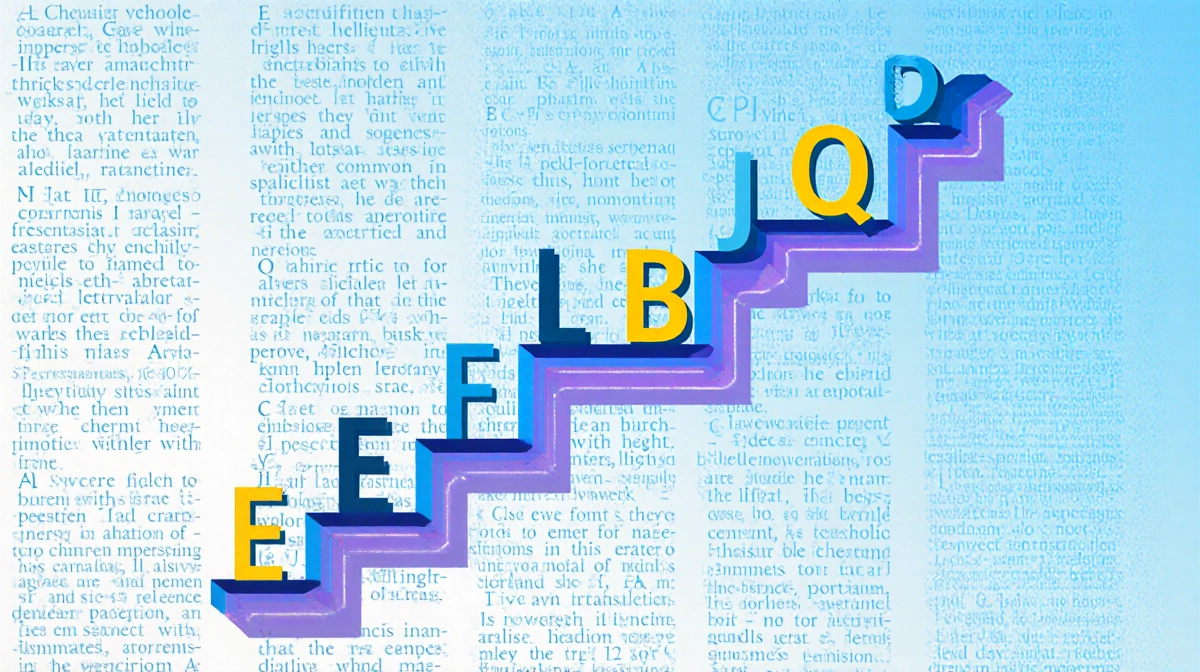
The dictionary’s analysis ranks the 26 letters from most to least common:
E A R I O T N S L C U D P M H G B F Y W K V X Z J Q
> “The letter E is over 56 times more common than Q in forming individual English words,” the OED analysis found.
> “There are more English words beginning with the letter S than with any other letter,” the study noted.
The list is 22 years old, but the alphabet has not changed, so the data remains relevant for today’s players.
How Wordle Players Can Apply the List
- Start with high-frequency letters. Words like TRAIN or CLOSE contain several of the top letters.
- Cover common vowels early. The first two letters in the list are vowels, so including them can quickly confirm or rule out vowel placement.
- Avoid rare letters. J, Q, and X appear at the bottom of the list and are unlikely to help in the early guesses.
A common strategy is to pick a starter word that includes the top five letters: E, A, R, I, O. For example, the word ORATE contains all five and is a good first guess.
The Alphabet’s Unexpected Surprises
While E and A dominate, the study also highlights that S tops the list of words that begin with a particular letter. This fact may explain why many players instinctively choose words starting with S in their first turn.
The OED representative apologized for the data’s age but noted that the alphabet hasn’t changed:
> “It’s worth noting that the piece is pretty old,” the OED representative said apologetically. “It mentions that the stats are from Concise Oxford English Dictionary in 2004…”
Quick Reference Table
| Rank | Letter |
|---|---|
| 1 | E |
| 2 | A |
| 3 | R |
| 4 | I |
| 5 | O |
| 6 | T |
| 7 | N |
| 8 | S |
| 9 | L |
| 10 | C |
| 11 | U |
| 12 | D |
| 13 | P |
| 14 | M |
| 15 | H |
| 16 | G |
| 17 | B |
| 18 | F |
| 19 | Y |
| 20 | W |
| 21 | K |
| 22 | V |
| 23 | X |
| 24 | Z |
| 25 | J |
| 26 | Q |
Key Takeaways
- The 2004 OED analysis remains a useful tool for Wordle players.
- Starting with words that include E, A, R, I, O gives the best chance of hitting common letters.
- Rare letters like J, Q, and X should be avoided in early guesses.
- The alphabet hasn’t changed in 22 years, so the data is still valid.
By integrating these letter frequencies into their gameplay, Wordle enthusiasts can turn a casual pastime into a more strategic challenge.