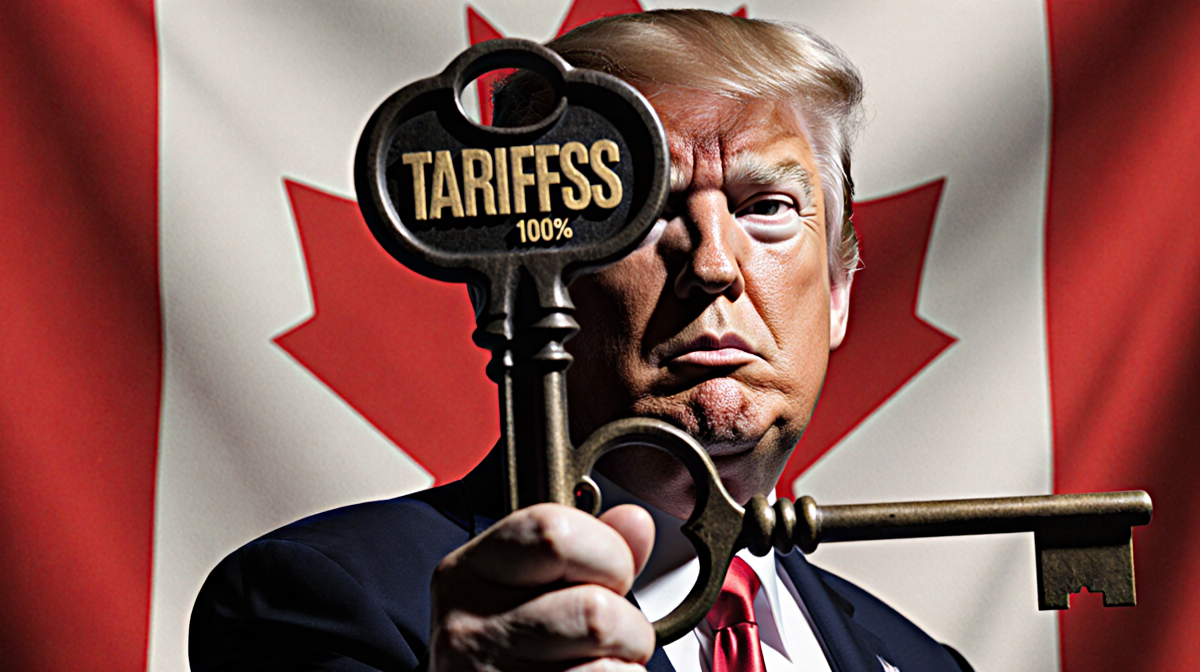
Donald Trump warned on his social media platform that he is willing to impose a 100% tariff on Canada if the country strikes a deal with China. The threat centers on the possibility of Canada becoming a “drop off port” for Chinese goods entering the United States. The announcement follows a week of reports about a new strategic partnership between the two nations.
At a Glance
- Trump threatens a 100% tariff on Canada if it partners with China.
- Canada’s deal includes importing 50,000 EVs from China.
- Bitcoin has reacted strongly to tariff threats, falling from $95,000 to $87,000.
Trump Threatens 100% Tariffs on Canada If China Deal Happens
The President posted the warning on Truth Social, making it clear that the tariff would apply to all goods entering the United States if Canada signs a trade agreement with China. The statement was delivered amid growing tensions between the U.S. and Canada over trade policy. The threat underscores the high stakes of any bilateral deal involving China.
Truth Social was the platform used to issue the threat, reflecting Trump’s preference for direct communication with the public. The post was accompanied by a graphic illustrating the proposed tariff rate. The message was aimed at Canadian officials and the broader North American business community.
Trump declared, “China will eat Canada alive, completely devour it, including the destruction of their businesses, social fabric, and general way of life.” The statement was delivered without reference to specific trade metrics. It was intended to warn Canadian policymakers of the potential consequences of a China partnership.
Canada’s Proposed Deal With China
Reports of a new strategic partnership between Canada and China emerged about a week ago, sparking speculation about the scope of the deal. The partnership would involve trade and logistics arrangements that could benefit both parties. The details of the agreement remain largely undisclosed.
The preliminary trade deal aims to reduce tariffs, including a commitment to import almost 50,000 EVs from China at preferential tariff rates. This commitment signals a shift in Canadian import policy toward Chinese electric vehicles. The preferential rates would lower the cost of EVs entering the Canadian market.
The 50,000 vehicles represent a significant volume for the Canadian automotive sector. The deal could increase competition in the domestic EV market. It also raises questions about Canada’s exposure to Chinese manufacturing.
Economic Implications for Canada
Prior to the threat, Trump withdrew his invitation for Canada to join his Board of Peace initiative. The withdrawal came after a Davos speech in which Trump claimed Canada “lives because of the United States.” The move was perceived as a rebuke to Canadian participation in U.S. diplomatic efforts.
During the Davos speech, Trump emphasized the U.S.’s central role in supporting Canadian sovereignty. He suggested that Canada’s prosperity was dependent on U.S. leadership. The remarks were met with criticism from Canadian officials.
The threat of a 100% tariff was described as potentially devastating to Canada’s economic prosperity. Trump warned that the deal could lead to the destruction of Canadian businesses and the erosion of its social fabric. He framed the partnership as a direct threat to Canada’s way of life.
Impact on Bitcoin and Global Markets
Bitcoin’s price has been severely impacted by tariff threats from the U.S., especially when allied nations are involved. After Trump announced new tariffs against several EU states, BTC fell from $95,000 to $87,000 between Monday and Wednesday. The recent dip of about $500 after Trump’s Truth Social statement shows continued sensitivity.
The EU tariff announcement prompted a sharp decline in BTC, underscoring the asset’s volatility in response to trade policy changes. The drop was recorded on BTCUSD Jan 24, a day noted for significant market movement. Investors reacted quickly to the news, leading to a temporary price correction.
Bitcoin briefly fell by roughly $500 minutes after Trump’s statement, indicating traders are watching U.S. policy closely. The move was modest compared to the earlier EU tariff impact but still notable. Volatility is expected to increase as other financial markets open on Monday morning.
Historical Context of Tariffs and BTC
The cryptocurrency market has shown a pattern of reacting strongly to tariff announcements. Such threats can trigger rapid sell-offs as investors reassess risk. Bitcoin’s price movements have mirrored broader market sentiment.
The EU tariffs saw BTC drop from $95,000 to $87,000 in a short span. The decline was attributed to concerns over trade restrictions. The event highlighted the interconnectedness of global trade and crypto markets.
The broader financial markets also experienced increased volatility following the tariff news. Currency markets and commodity prices adjusted in response to the policy shift. The ripple effect extended beyond Bitcoin to other asset classes.
Canada’s EV Import Commitment
The Canadian deal includes a commitment to import nearly 50,000 electric vehicles from China at reduced tariff rates. This move signals a strategic shift toward Chinese manufacturing. The policy could alter the competitive landscape for domestic automakers.
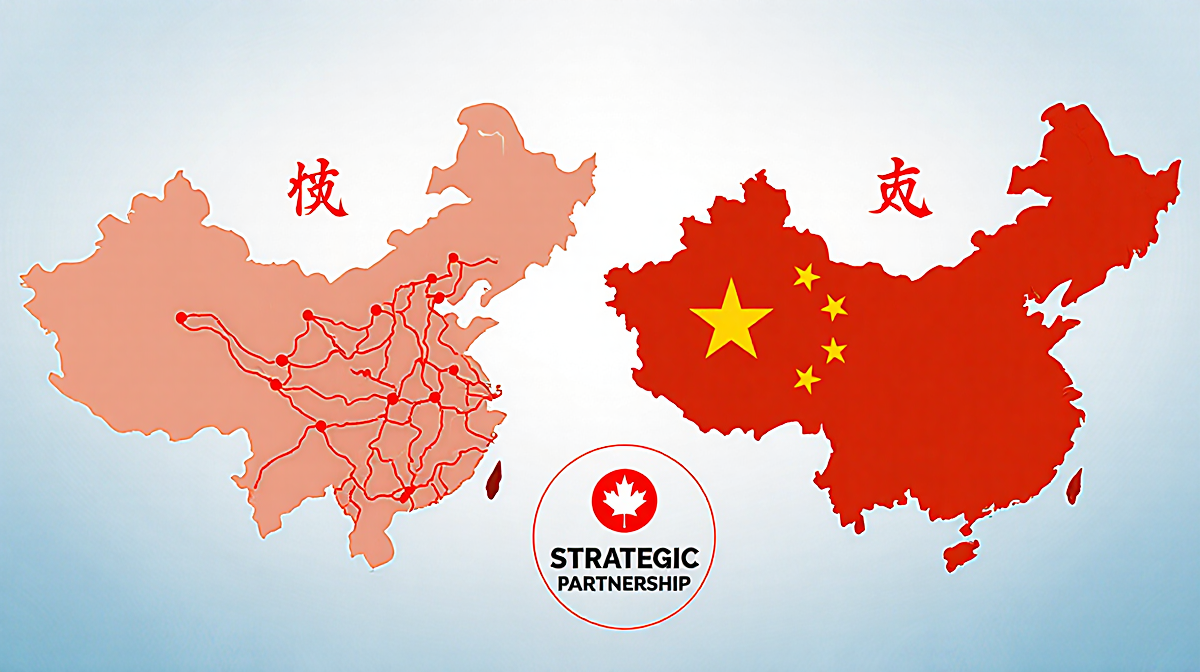
The preferential rates are intended to lower the cost of Chinese EVs entering Canada. This could make imported vehicles more price-competitive. It also raises questions about the impact on local production.
Importing 50,000 vehicles would increase trade volume between Canada and China. The higher volume could boost bilateral trade statistics. It may also influence supply chain dynamics in North America.
Potential Economic Fallout
Canadian businesses could face heightened competition from Chinese imports. The 100% tariff threat would raise costs for Canadian exporters. Companies reliant on cross-border supply chains might need to adjust strategies.
The threat to Canadian businesses could strain the social fabric of communities reliant on manufacturing. Job losses in affected sectors might ripple through local economies. The narrative frames the tariff as a direct attack on Canadian prosperity.
The proposed tariff could alter the general way of life for Canadians. It may impact consumer prices and access to goods. The broader societal implications were highlighted by Trump’s remarks.
Market Speculation
Traders are closely monitoring the situation, anticipating further market swings. The crypto community has reacted to the tariff threat with caution. Market participants are evaluating potential ripple effects.
Expectations for Monday are high as other financial markets open. Volatility could increase as investors digest the policy announcement. The timing of the announcement may influence market sentiment.
The threat of a 100% tariff could trigger significant volatility across asset classes. Bitcoin and other cryptocurrencies may see sharp price swings. Investors are advised to monitor developments closely.
Broader Trade Context
The Board of Peace initiative was a platform for Canada to join U.S. diplomatic efforts. Trump’s withdrawal of the invitation signaled a shift in U.S. engagement with Canada. The move was part of a broader strategy to assert U.S. influence.
Trump’s comments at Davos emphasized the U.S.’s role in supporting Canadian sovereignty. He suggested Canada’s prosperity depended on U.S. leadership. The remarks were received as a rebuke to Canadian participation.
The threat and withdrawal could strain U.S.-Canada relations. Both countries are key trade partners. The situation highlights the fragility of bilateral ties.
Key Takeaways
Key points include: • Trump threatens a 100% tariff if Canada partners with China. • Canada’s deal includes importing 50,000 EVs from China. • Bitcoin’s price has fallen from $95,000 to $87,000 in response to tariff threats. • Market volatility is expected to rise as the policy unfolds.
Bitcoin’s price movement illustrates the sensitivity of crypto markets to trade policy. The recent dip of $500 after the Truth Social statement shows continued market vigilance. The broader crypto ecosystem remains on edge.
The potential 100% tariff remains a looming threat to Canadian trade. The impact on Canadian businesses and the broader economy could be significant. The situation underscores the interconnectedness of trade policy and financial markets.
Conclusion
The unfolding developments highlight the intersection of trade policy and financial markets. The threat of a 100% tariff and the Canadian deal with China will continue to influence investor sentiment. Stakeholders must remain alert to policy shifts.
As the markets react, the broader economic implications for North America will become clearer. The situation underscores the importance of monitoring trade announcements. Investors and policymakers should prepare for potential volatility.