
Introduction
Winter workouts can be rewarding but tricky. Cold, wet, and low-light conditions pose risks that many overlook. This guide gives nine practical tips to stay safe, warm, and hydrated while exercising outdoors in winter.
At a Glance
- Dress dry, not just warm, to prevent heat loss.
- Pick outerwear that can be shed as you warm up.
- Wear bright colors or reflective gear for visibility.
- Keep hands, feet, ears, and face protected.
- Use proper footwear traction and anti-slip gear.
- Hydrate with room-temperature or flavored water.
- Run or bike upwind to reduce wind chill.
- Stretch before and after to avoid stiffness.
Why it matters: These steps keep you from hypothermia, slips, and dehydration while letting you enjoy winter fitness.
Dress Dry to Keep Warm
Heat loss is fastest when you’re wet. Water conducts heat from your skin to the air, so any sweat or rain can chill you quickly.
- Choose performance fabrics like polyester or nylon that wick moisture away.
- Avoid cotton; it absorbs water and adds chill.
- Layer with a moisture-wicking base layer and a breathable mid-layer.
| Fabric | Moisture-Wicking | Bulk | Best Use |
|---|---|---|---|
| Polyester | High | Low | Base layer |
| Nylon | Medium | Medium | Mid layer |
| Cotton | Low | High | Avoid |
Choose Outerwear That Can Be Shed
You’ll need multiple layers, but outer layers can become too warm as you exercise. Pick gear that you can easily remove and store.
- Look for jackets with quarter-zip or removable sleeves.
- Store a spare layer in your backpack or wrap it around your waist.
- Example: Oros Apparel’s quarter-zip pullover uses Aerogel insulation, keeping you warm without bulk.
Stay Visible in Low Light
Winter days are shorter, and weather often adds clouds or precipitation. Bright colors or reflective gear makes you easier to spot.
- Wear high-visibility shirts or vests.
- Consider a reflective vest or headlamp for late-afternoon sessions.
- Note: darkness can set in as early as 4:30 p.m. in some regions.
Protect Your Extremities
Hands, feet, ears, and face lose heat fastest. Proper gear can keep them warm and functional.
- Use water-wicking or waterproof shoes; avoid mesh.
- Opt for high-top or snug-fit models to block snow.
- Choose socks that blend wool and nylon, like Swiftwick’s Pursuit line.
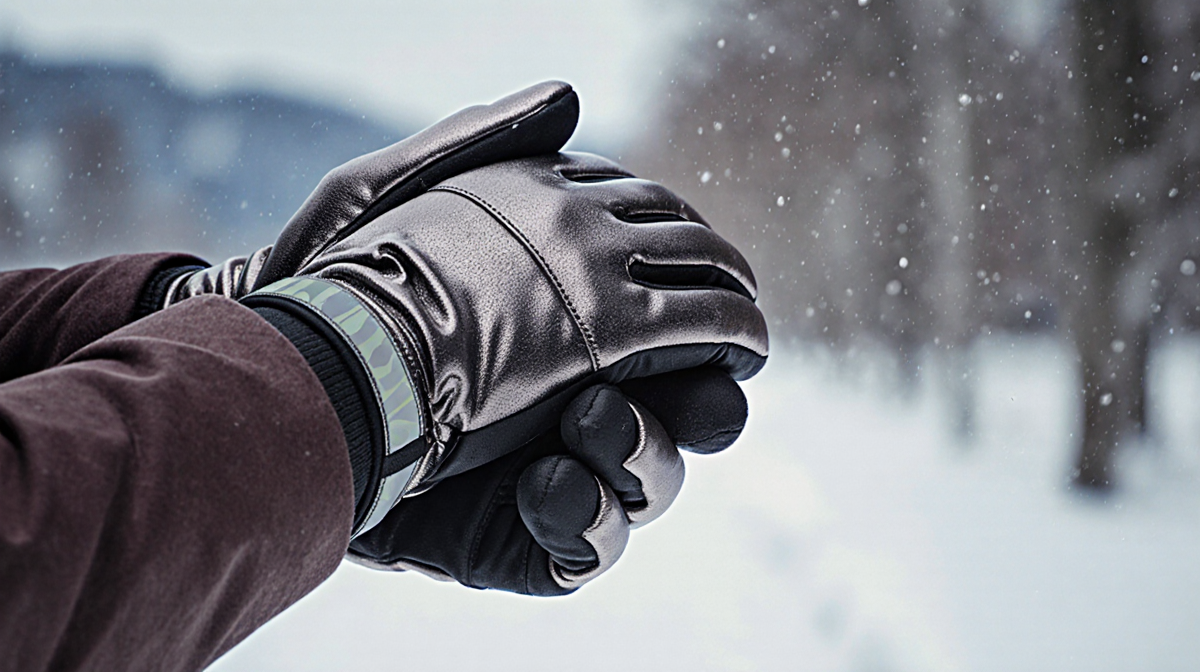
- For hands, waterproof gloves such as Nike Shield Running Gloves work well when precipitation is present.
Prevent Slips on Ice
Traction is as important as warmth. Shoes with grippy soles reduce the risk of falls.
- Check that your shoe soles aren’t worn down.
- Add shoe covers or ice grips for extra traction.
- Think of them as tire chains for your feet.
Cover Your Head and Face
The body’s blood flow shifts toward the core in cold, leaving extremities and face vulnerable.
- Wear earmuffs or a thick headband for ears.
- Use a headscarf or face mask for the nose and mouth.
- A hat keeps the head warm; sunglasses protect eyes from glare.
Hydrate Even When It Feels Unnecessary
Cold can mask thirst, but dehydration still occurs. Make water more appealing.
- Drink room-temperature water or heat it before you head out.
- Flavor water or use sports drinks to increase intake.
- Aim for about 20 ounces (0.6 liters) before and after a workout lasting up to 90 minutes.
Beat Wind Chill with Smart Moves
Wind can accelerate heat loss, especially when you’re sweaty.
- Start your run or bike ride upwind.
- Finish with the wind at your back, reducing chill when you’re most sweaty.
Stretch to Avoid Stiffness
Cold muscles are more prone to injury. A proper warm-up and cool-down are essential.
- Spend 5-10 minutes on dynamic stretches before exercising.
- Afterward, perform static stretches and foam rolling.
- Change out of damp clothes immediately to prevent chill.
Key Takeaways
- Stay dry: moisture-wicking fabrics keep heat in.
- Pick shed-able outerwear to avoid overheating.
- Bright colors and reflective gear increase safety.
- Protect extremities, footwear, and face from cold.
- Maintain traction on ice with proper shoes.
- Hydrate with flavored or room-temperature water.
- Run upwind to reduce wind chill.
- Warm-up and cool-down prevent stiffness.
By following these nine hacks, you can enjoy winter workouts while staying safe, warm, and healthy.