At a Glance
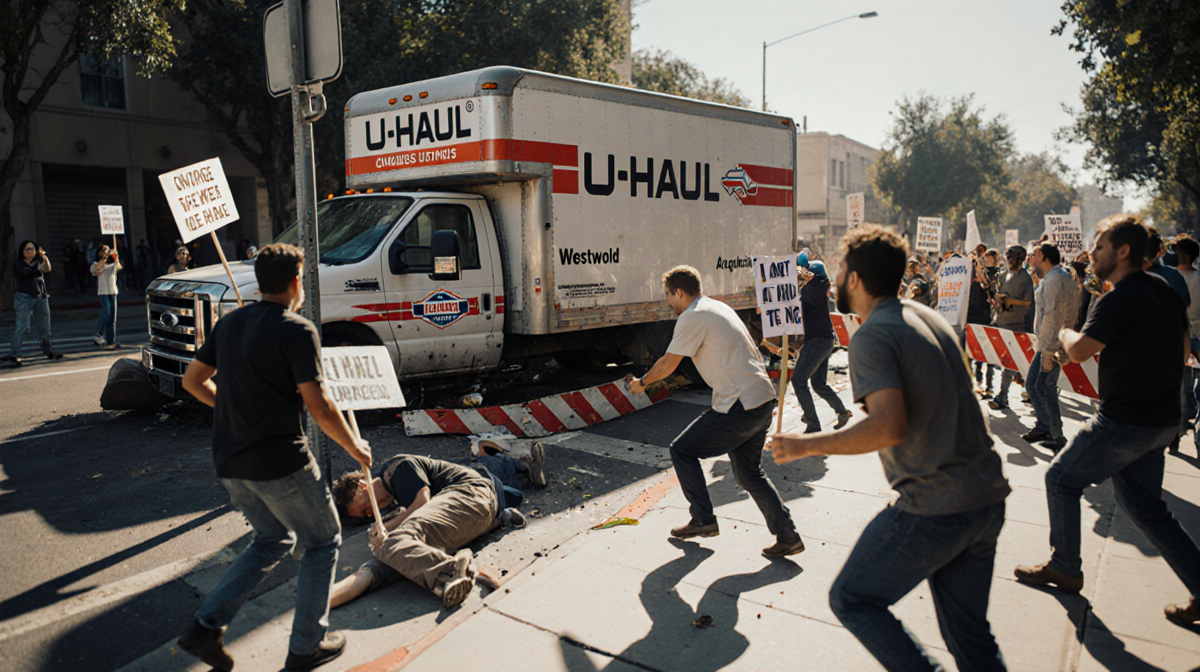
- Calor Madaneschtalor drove a U-Haul truck into a protest against the Iranian regime in Westwood.
- He was initially charged with reckless driving, a misdemeanor, after the truck entered the protest area near the Federal Building.
- The case is now being reviewed by the Los Angeles County district attorney, raising the possibility of a felony upgrade.
- Why it matters: The shift from a city attorney to a district attorney could change the legal outcome and set a precedent for how protest-related incidents are prosecuted.
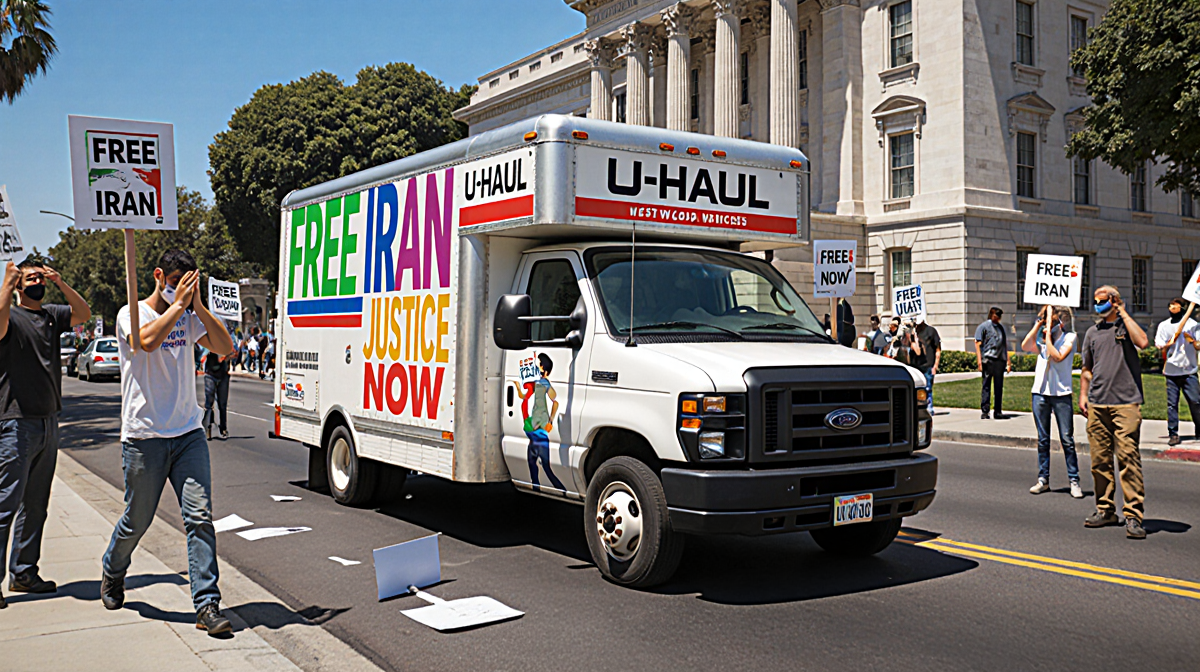
The incident that unfolded on January 15, 2026 has sparked debate over protest safety, legal accountability, and the role of law-enforcement agencies in civil demonstrations.
The Protest and the Truck
The protest in Westwood was organized by groups supporting the people of Iran, calling for an end to the Iranian regime’s policies. The demonstrators gathered near the Federal Building, a symbolic site for political dissent. Calor Madaneschtalor entered the protest area in a U-Haul truck that bore messages on its sides. The truck continued down the street as demonstrators scrambled to clear the path.
Arrest and Initial Charge
Earlier this month, Madaneschtalor was arrested and booked for reckless driving. The misdemeanor charge stemmed from the truck’s entry into the protest zone, violating traffic and municipal code regulations. The city attorney’s office handled the initial booking, as is customary for misdemeanors.
City Attorney vs. District Attorney
The city attorney’s office decided to pass the case to the Los Angeles County district attorney. The district attorney’s office typically prosecutes felony crimes, whereas the city attorney’s office handles misdemeanors and municipal violations. The transfer indicates a potential upgrade in the seriousness of the charge.
Possible Upgrade to Felony
If the district attorney reviews the case, the charge could be elevated to a felony. A felony would subject Madaneschtalor to harsher penalties, including longer prison terms and larger fines. The upgrade reflects the district attorney’s jurisdiction over more severe offenses.
Statements from Madaneschtalor
When asked about his actions, Madaneschtalor told NBC Los Angeles that he initially intended to park the truck and join the protesters in solidarity. He said, “As I parked, the pro-Shah group attacked me. (They) violently started hitting me. Broken windows, shattered inside. Coming inside, punching me.” He insisted he had a peaceful message on the truck.
Community Reactions
Some protesters called for a terrorism charge against Madaneschtalor after the incident. Others argued that the driver’s intent was peaceful and that the aggressive response by the protest group warranted scrutiny. The incident has reignited discussions about protest safety and the responsibilities of participants.
Legal Context
| Charge Type | Typical Prosecutor | Potential Penalties |
|---|---|---|
| Misdemeanor | City Attorney | Up to 1 year in county jail, fines |
| Felony | District Attorney | Up to 4 years in state prison, larger fines |
The distinction between misdemeanor and felony prosecution is critical in determining the outcome of Madaneschtalor‘s case.
Key Takeaways
- The incident could set a precedent for how protest-related traffic incidents are prosecuted.
- A shift from city to district attorney may result in a felony charge.
- Community responses highlight the tension between protest rights and public safety.