At a Glance
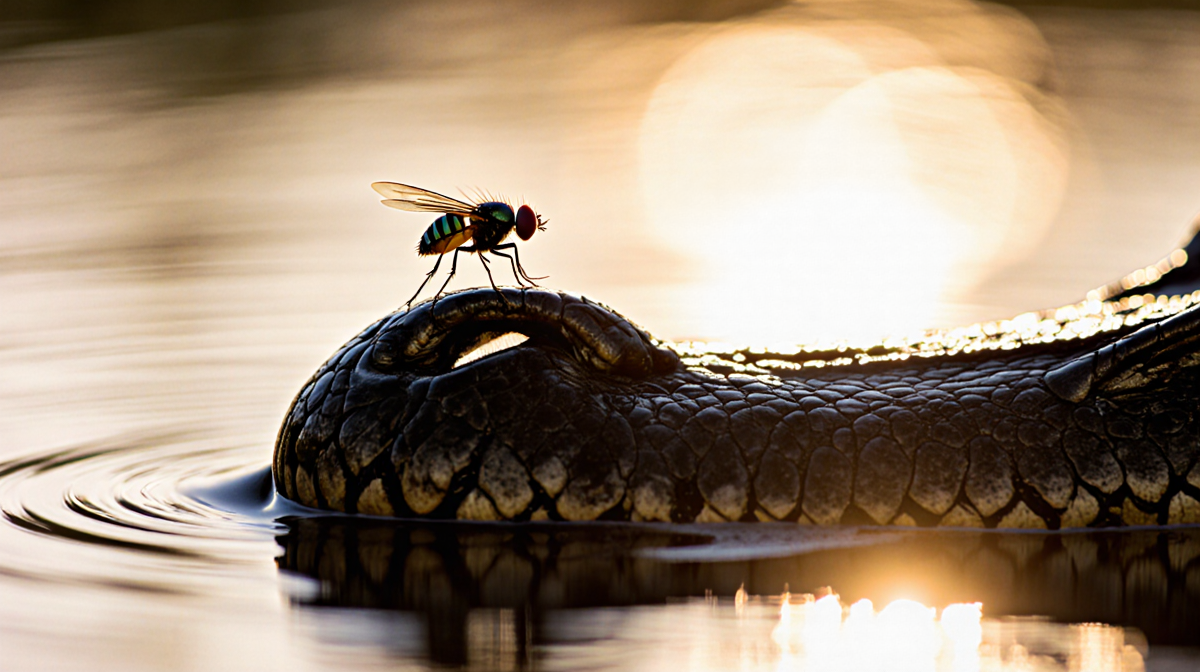
- The British Ecological Society named a crocodile with biting flies the overall winner of its Capturing Ecology competition.
- The contest received 1,100 entries from over 80 countries across all 7 continents.
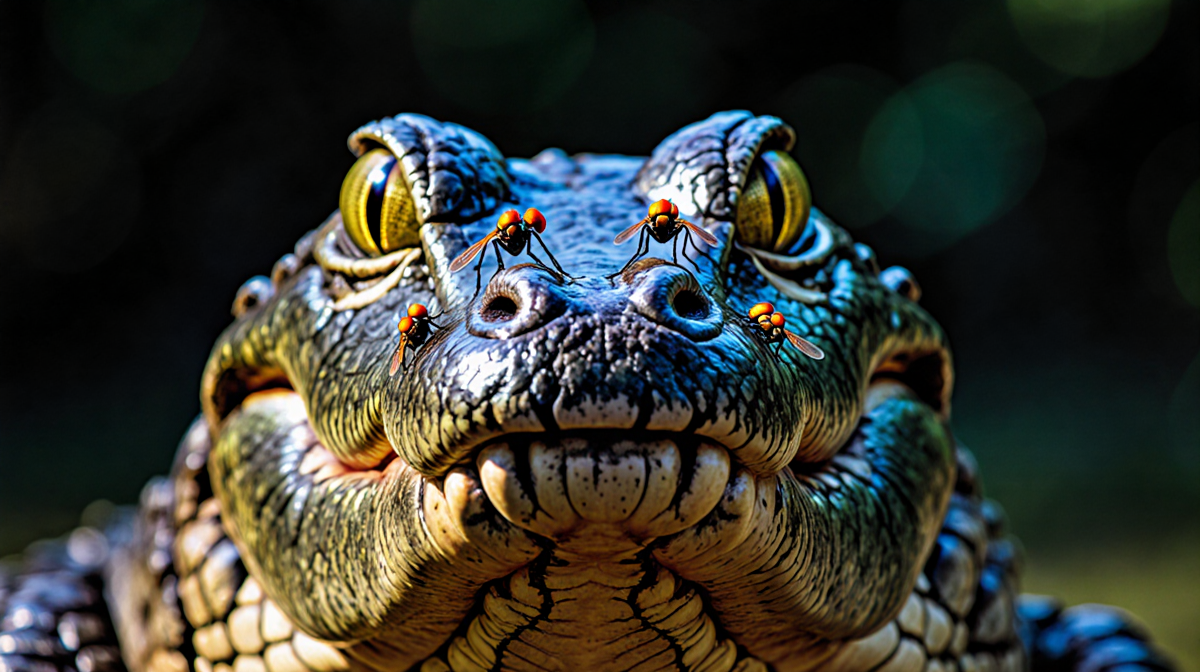
- The winning image, titled “Wouldn’t Hurt a Fly,” was shot by Zeke Rowe in Panama’s Coiba National Park.
- Why it matters: The photo showcases how ecological photography can highlight everyday moments of wildlife, inspiring conservation awareness worldwide.
The British Ecological Society announced the winners of its annual Capturing Ecology photography competition on Jan. 22. The overall winner, a striking image of an American crocodile with horse flies biting its snout, captured the imagination of ecologists and photographers around the globe.
The Winning Image
Zeke Rowe, a PhD candidate at Vrije Universiteit Amsterdam, captured the photo during a break from research in Panama’s Coiba National Park. The image, titled “Wouldn’t Hurt a Fly,” shows the crocodile’s golden eyes looking directly into the camera while flies feed on its snout. Rowe said:
> “I took this photo while on a break from research in Panama’s Coiba National Park… I got as close and low as I dared, waiting for that direct eye contact.”
Rowe added that he had only recently begun submitting his work to competitions, fearing it wasn’t good enough. He now believes that belief and confidence can lead to success:
> “Winning my first competition has shown me that sometimes all it takes is some belief, and I am proud of myself for doing so.”
Competition Overview
The British Ecological Society received more than 1,100 photographs from international ecologists and photographers representing over 80 countries and all 7 continents. The competition includes several categories, each celebrating different aspects of ecological life.
Professor Melanie Austen, president of the society, praised the collection:
> “The incredible images in this year’s Capturing Ecology are a perfect demonstration of how photography can transport us around the world, allowing us to glimpse the everyday wonders and dramatic moments of ecology.”
Judge Gabriela Staebler noted the growing quality of entries:
> “The level of participating images increases with every year… The overall winner was my absolute favourite while judging. Only a close look shows what makes it so special!”
Category Winners
The competition highlighted ten additional category winners, each receiving an award for their standout images. Below is a concise overview:
| Category | Winning Photo | Photographer | Location |
|---|---|---|---|
| Ecologists in Action | “Ready for Everything” | Roberto García Roa | Sanaga-Yong Sanctuary, Cameroon |
| Interactions | “Lioness one eye behind birds” | Willem Kruger | Kgalagadi Transfrontier Park, South Africa/Botswana |
| Animals | “Wallace’s Flying Frog” | Jamal Kabir | Malaysia |
| People and Nature | “An unusual backdrop” | Guido Villani | Philippine sea floor |
| Nature, Food and Farming | “Jute Processing” | Joy Saha | Bangladesh |
Ecologists in Action celebrated a team of technicians and veterinarians from Ape Action Africa preparing to treat a sedated chimpanzee rescued from trafficking. Interactions captured a female lion approaching a flock of birds during the dry season, while Animals showcased Wallace’s Flying Frog descending into a puddle to breed.
People and Nature highlighted marine life colonizing abandoned glass bottles, and Nature, Food and Farming depicted thousands of jute sticks floating in water, forming a natural pattern.
Voices from the Community
Harriet McAra from the society’s partner ZSL emphasized the standard of entries:
> “The standard of entries to the Animals category was extraordinary… Collectively, the images draw attention to the fragile state of nature and reinforce the need for a stronger connection with the animals with whom we share our planet.”
Professor Austen reflected on the global reach of the competition:
> “The British Ecological Society is a truly global community, so it brings me great joy to see such diversity in this year’s entries, from coral claiming abandoned bottles in the Philippines, to mudflats in British Columbia and then to the green sheen of intertidal seagrass meadows closer to my home in the Tamar estuary.”
Why Photography Matters in Ecology
The competition’s emphasis on everyday moments-flies on a crocodile, a lion near birds, or a frog in a puddle-underscores the power of visual storytelling. By capturing fleeting interactions, photographers bring attention to ecological processes that might otherwise go unnoticed. This heightened awareness can inspire conservation efforts, policy discussions, and a deeper public appreciation for the planet’s biodiversity.
Takeaway
The British Ecological Society’s Capturing Ecology competition, with its diverse entries and compelling winners, demonstrates that ecological photography is more than art; it is a vital tool for education, advocacy, and connecting people to the natural world.
Never miss a story – sign up for News Of Los Angeles‘s free daily newsletter to stay up-to-date on the best of what News Of Los Angeles has to offer, from celebrity news to compelling human interest stories.