At a Glance
- Dr. Kirk Milhoan proposes that polio and measles vaccines be optional.
- The U.S. has reported 416 confirmed measles cases this year, with 94% of those infected unvaccinated.
- The outbreak spans 14 states, including South Carolina, the current epicenter.
Why it matters: The debate threatens to undermine public confidence in vaccines at a time when measles cases are rising.
—
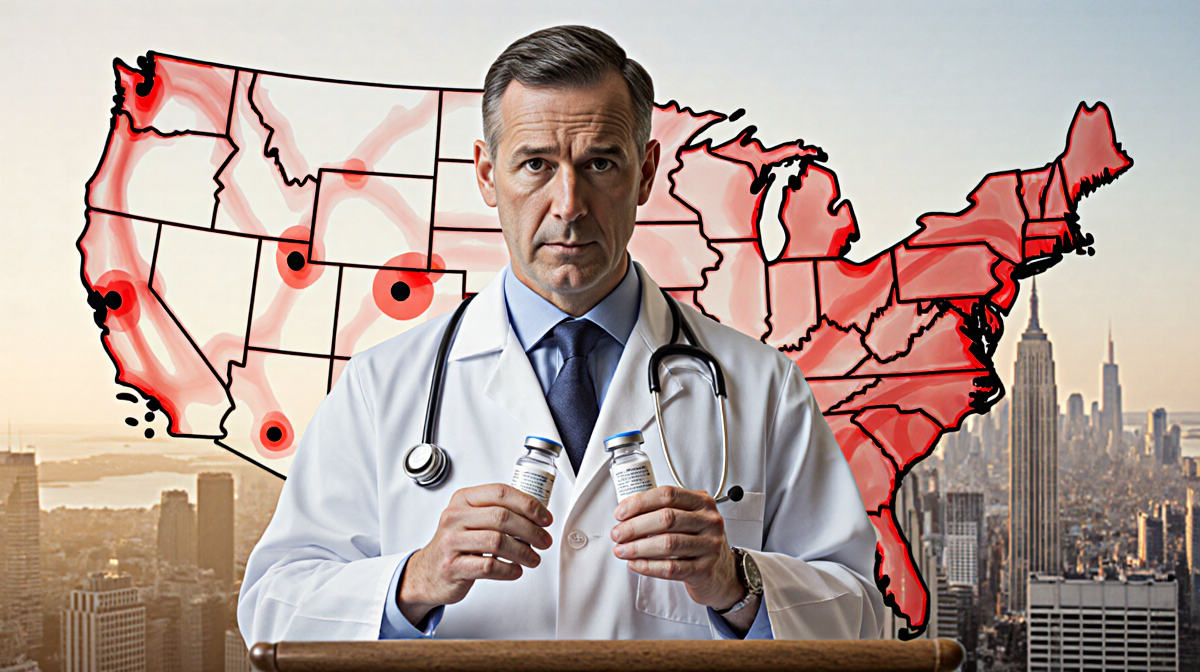
The U.S. is experiencing a significant measles outbreak, with 416 confirmed cases reported so far in 2024. Amid this surge, Dr. Kirk Milhoan, head of the Advisory Committee on Immunization Practices, has called for polio and measles vaccines to become optional. His remarks have sparked intense backlash from medical professionals and public health officials.
Dr. Kirk Milhoan’s Controversial Proposal
Dr. Kirk Milhoan, a pediatric cardiologist who leads the Advisory Committee on Immunization Practices, said, “If there is no choice, then informed consent is an illusion… Without consent it is medical battery.” He added that he is “concerned” about potential deaths from polio and measles but also expressed sadness over “alcoholic diseases,” citing “freedom of choice and bad health outcomes.”
He has suggested that other vaccines could also become optional in the future. His comments came at a time when the CDC reports a sharp rise in measles cases across 14 states.
Measles Outbreak Data
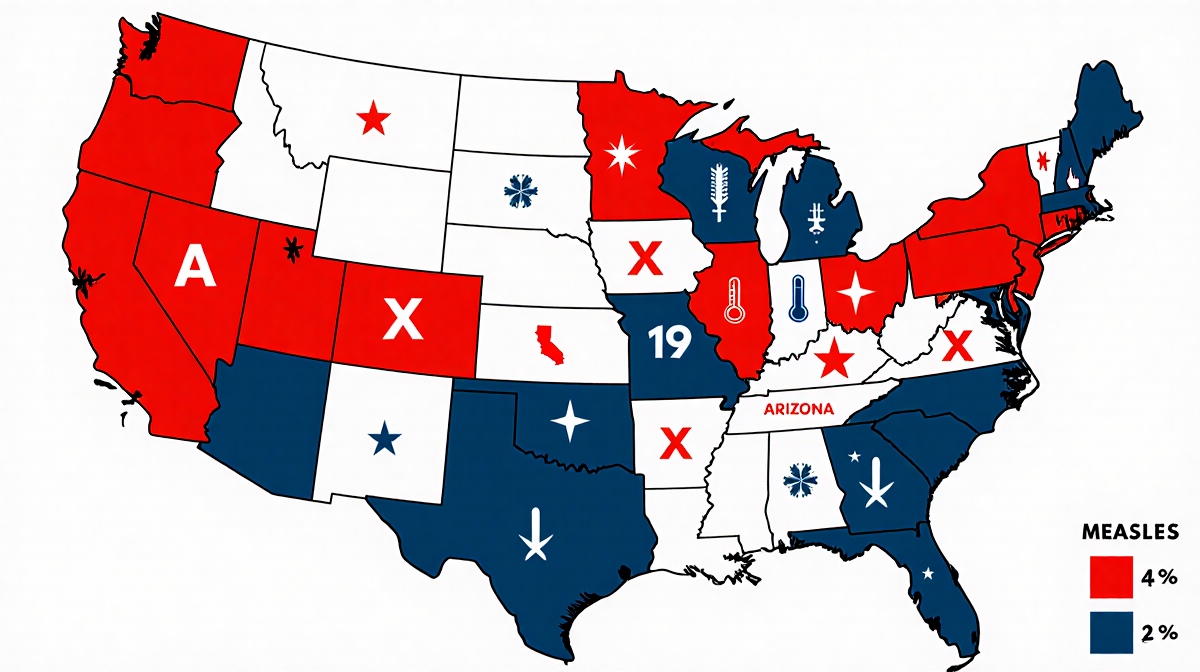
The Centers for Disease Control and Prevention (CDC) lists the following states with reported measles cases this year:
| State | Confirmed Cases (2024) |
|---|---|
| Arizona | 12 |
| California | 18 |
| Florida | 15 |
| Georgia | 9 |
| Idaho | 4 |
| Kentucky | 7 |
| Minnesota | 5 |
| North Carolina | 10 |
| Ohio | 6 |
| Oregon | 3 |
| Utah | 8 |
| Virginia | 11 |
| Washington | 7 |
| South Carolina | 120 |
South Carolina remains the epicenter, with cases rising sharply even as hundreds are quarantined. The CDC’s data shows that 94% of those infected have not received the measles vaccine.
Impact on Vaccination Rates
- Vaccination Gap: The current outbreak highlights a significant gap in vaccine coverage.
- Public Confidence: Dr. Milhoan’s statements may erode trust in vaccination programs.
- Health Outcomes: Unvaccinated populations face higher risks of complications such as encephalitis, pneumonia, and subacute sclerosing panencephalitis.
The Mayo Clinic notes that measles can cause fever, dry cough, and a characteristic rash, but it also carries the risk of severe neurological and respiratory complications.
Medical Community Response
Dr. Sean O’Leary, chair of the infectious disease committee at the American Academy of Pediatrics, told The New York Times, “He has no idea what he’s talking about. These vaccines protect children and save lives… It’s very frustrating for those of us who spend our careers trying to do what we can to improve the health of children to see harm coming to children because of an ideological agenda not grounded in science.”
The backlash reflects a broader concern that Dr. Milhoan’s stance could lead to increased vaccine hesitancy and jeopardize the U.S. elimination status for measles.
Broader Context: Polio and Historical Vaccines
- Polio History: Before the 1955 vaccine, polio caused widespread disability. Between 1948 and 1955, annual cases dropped from 58,000 to 5,600, and by 1961 only 161 cases were documented.
- Complications: Polio can lead to meningitis, spinal and respiratory paralysis, and can be fatal.
- Vaccination Legacy: The success of polio vaccination demonstrates the life-saving power of vaccines.
CDC’s Position
CDC Principal Deputy Director Dr. Ralph Abraham said in a CNN interview, “We have these communities that choose to be unvaccinated. That’s their personal freedom. We are not concerned about losing elimination status.” The CDC’s stance underscores a tension between public health objectives and individual choice.
Takeaways
- Dr. Kirk Milhoan’s call for optional measles and polio vaccines clashes with rising measles cases and high unvaccinated rates.
- The outbreak spans 14 states, with South Carolina as the focal point.
- Medical professionals warn that such proposals could undermine vaccine confidence and increase disease burden.
- Historical data on polio underscores the importance of vaccination in preventing severe disease.
The debate continues as public health authorities weigh the balance between individual autonomy and community protection.
—