At a Glance
- Snowstorms can turn everyday life into a series of inconveniences that add up fast.
- Power outages can be mitigated with oil-filled radiators, portable power stations, and carbon-monoxide detectors.
- Preparing ahead-charging devices, stocking a first-aid kit, and keeping emergency supplies in the car-reduces stress when the weather takes control.
Why it matters: Being ready means staying warm, safe, and connected when the weather takes control.
Snowstorms Can Turn Your Home Into a Winter Lab
Snowstorms can turn everyday life into a series of inconveniences that add up fast. Even if you’re not headed out, a sudden blizzard can leave roads blocked, deliveries delayed, and the power flickering. A few simple preparations, however, can keep you warm, safe, and less stressed when the storm hits.
Essential Gear for Power and Warmth
Oil-Filled Radiators
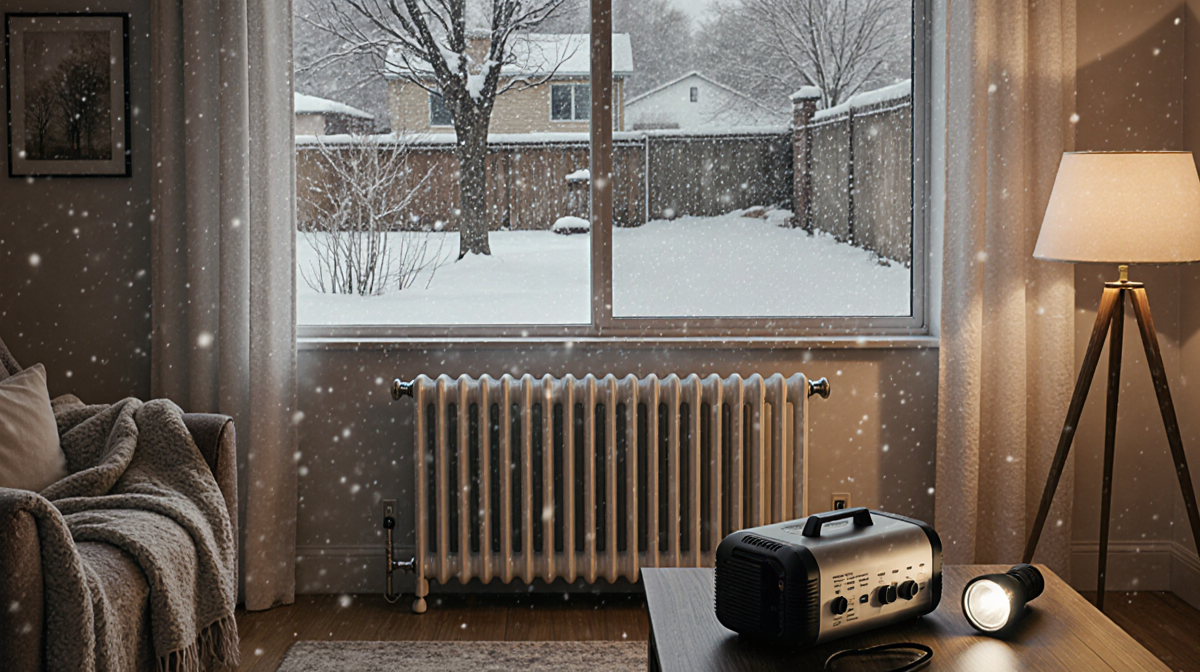
Oil-filled radiators are a reliable backup when the grid goes down. They retain heat for long periods, keeping you warm long after the power stops. The unit comes with a remote control and an adjustable thermostat, letting you set the temperature to your comfort.
Portable Power Stations
The Bluetti AC70 is a versatile, portable power station designed for camping, travel, and emergency backup. It features a 768Wh capacity and a 1000W continuous AC inverter. The fast-charge feature can hit 80% in 45 minutes and reach full charge from zero to one hundred in 1.5 hours with AC input.
> “I find this little bank so helpful in my day-to-day, but especially in an emergency. It charges extremely quickly, and the 25,000mAh battery can keep a laptop or multiple phones and tablets charged for a good long while,” said James Bricknell, senior editor.
Carbon-Monoxide Sensor
A carbon-monoxide sensor with battery backup alerts you if levels rise too high during a power outage. The First Alert model won best overall in our list for its versatility as a carbon-monoxide and smoke detector.
Hand-Crank Flashlight and Radio
A small flashlight that doubles as a radio and has a hand crank is invaluable when you can’t rely on a charger. Turn the handle until you have enough power to run the light or radio.
Bioethanol Gel
Bioethanol gel is especially useful when the power goes out because it can be used safely indoors. Each can of fuel produces around 3,000 BTUs and emits a crackling noise like a log fire, making it a handy source of heat for a single room.
Home Safety Tips During a Storm
- Let faucets drip slightly during freezing temperatures to reduce the risk of burst or frozen pipes.
- Cover outdoor spigots with foam covers to keep the cold out.
- Turn the heat up by a few degrees before a storm so your home stays warmer longer if power drops.
- Know where your water shut-off valves are in case something freezes or leaks.
- Charge everything-phones, tablets, power banks-ahead of time so you’re not stuck with dead batteries.
- Keep blankets and sleeping bags nearby, even if you think you won’t need them.
- Keep an emergency kit in your car with blankets, water, snacks, and basics.
- If you do lose power, move everyone into one room. It’s easier to keep warm together than to keep multiple rooms warm.
Expert Reminders for a Smooth Winter
Even our experts have a few go-to reminders that make a big difference:
- Keep a roof rake handy to save your shingles and gutters when heavy snow piles up.
- Take care of your solar panels, ensuring ice and debris won’t affect their efficiency during freezing temperatures.
- Prep security cameras because cold and snow can affect performance, ensuring you can still keep an eye on things.
Key Takeaways
- Plan ahead: Charge devices, stock a first-aid kit, and keep a car emergency kit.
- Invest in backup power: Oil-filled radiators and portable power stations keep you warm and connected.
- Protect your home: Cover spigots, know shut-off valves, and use carbon-monoxide sensors.
- Use safe heat sources: Bioethanol gel can provide indoor heat safely.
- Stay organized: Keep blankets, sleeping bags, and supplies in easy-access locations.
By following these steps, you can reduce the chaos that a snowstorm can bring and keep your household safe and comfortable.