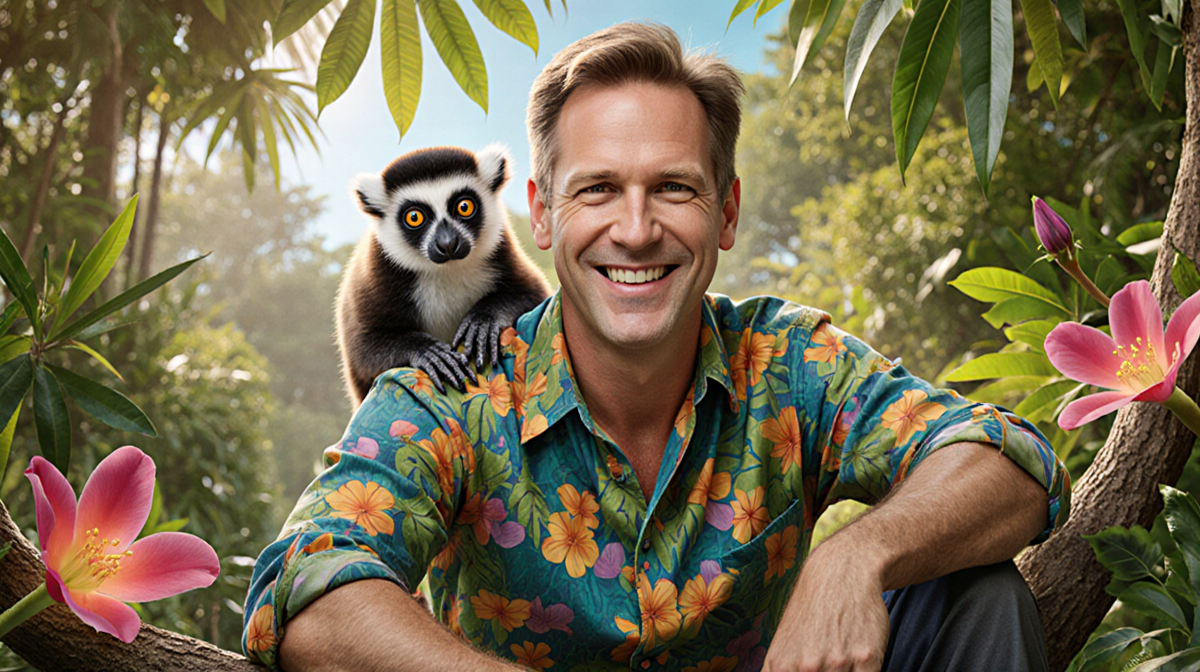
At a Glance
- Zoboomafoo debuted on PBS in 1999 and ran for two seasons, 65 episodes.
- The show blended a real Coquerel’s sifaka lemur, a puppet, and educational segments for preschoolers.
- The Kratt brothers transitioned to Be the Creature, Wild Kratts, and a YouTube channel, keeping their wildlife mission alive.
- Why it matters: The program sparked a generation’s interest in animals and set a template for modern children’s science shows.
The Kratt brothers-Chris and Martin-have been shaping children’s wildlife programming for decades, beginning with the beloved PBS series Zoboomafoo.
The Birth of a Preschool Legend
The series premiered on PBS in 1999 and ran for two seasons, producing 65 episodes. It featured the Kratt brothers and a Coquerel’s sifaka lemur named Zoboomafoo. The show mixed live-action segments, songs, animation, and factual animal information, appealing to both kids and parents.
- The Kratt brothers grew up in Warren Township, N.J., as avid animal lovers.
- Martin majored in zoology at Duke University; Chris majored in biology at Carleton College.
- After a six-month research stint in Costa Rica, they filmed amateur footage that caught PBS’s attention.
- PBS greenlit their first show, Kratts’ Creatures, in 1996, which later led to Zoboomafoo.
Behind the Scenes: Real and Puppet Lemur
The real lemur, Jovian, was born in 1994 at the Duke Lemur Center and died in 2014 from kidney failure at 20.5 years old. He was a Coquerel’s sifaka and sired 12 sifakas during his life.
The puppet version of Zoboomafoo was performed by Canadian puppeteer Gord Robertson. In 2021, Chris Kratt explained the complexity of switching between the real and puppet lemur:
> “Switching back and forth between the real and puppet lemur was complicated. Fortunately, lemurs kind of look like puppets in the first place, so the idea of cutting between the puppet version and the real live version worked in the end,” Chris said with a laugh.
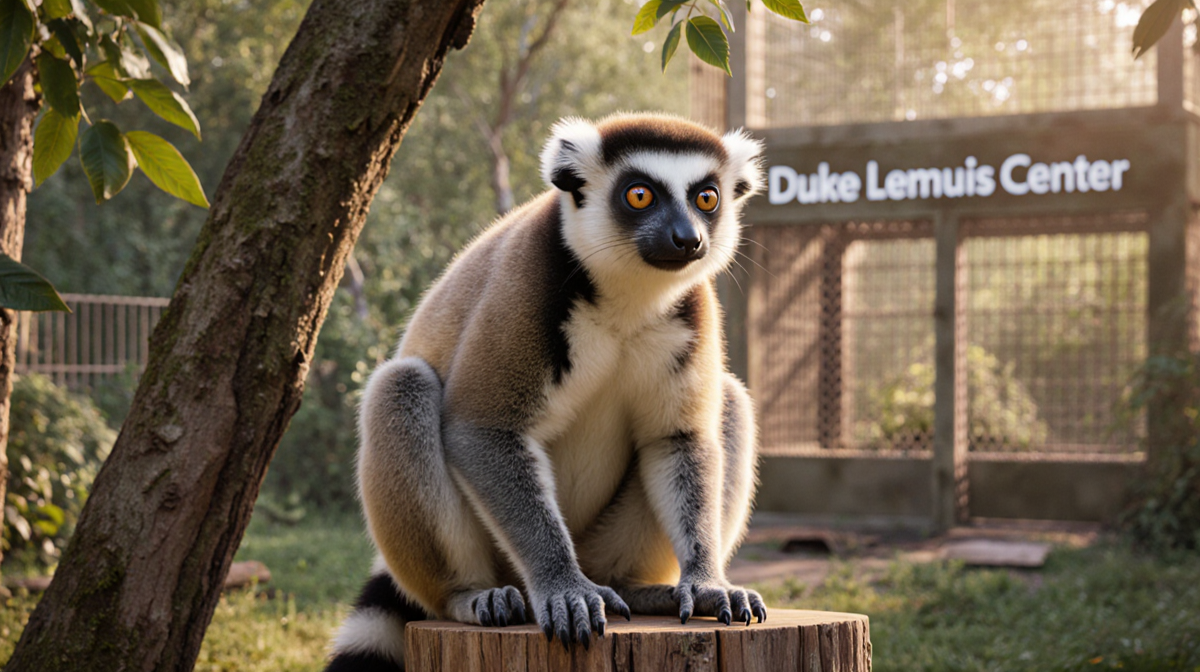
The set, called the Animal Junction, was colorful and confusing, which helped the crew cut between different locations smoothly.
The Kratt Brothers’ Journey After Zoboomafoo
From 2003 to 2007, the brothers produced Be the Creature for National Geographic. The show involved extensive on-location filming, with 75 hours of raw footage for each 40-minute episode.
In 2008, they moved to Ottawa, Ontario, Canada, and launched Wild Kratts in 2011. Each episode opens with the brothers and live animals, then transitions to animated segments. The series has aired consistently since its premiere, making it the Kratt brothers’ longest-running show.
They expanded their reach by launching a YouTube channel, The Kratt Brothers, in 2018.
Family Life
Both brothers married in 2000: Chris married Laura Wilkinson; Martin married Tania Armstrong. They have four sons-Ronan, Gavin, Aidan, and Nolan-who appear as animated versions of themselves on Wild Kratts.
Legacy and Impact
The Kratt brothers founded the Kratt Brothers Creature Hero Foundation to protect wildlife and educate children. Martin told The New York Times in 2000:
> “Kids felt powerless. They felt like they couldn’t do anything. What we’re trying to do is give them a chance, give them a project that they can rally around and be a part of.”
They also created the wildlife refuge Grizzly Gulch as part of their conservation efforts.
In 2024, Martin reflected on the program’s influence:
> “I think it feels really good just to be a part of that continuum, and families learning about the animals,” he told Romper. “I love it. Because we always wanted our shows to be something that anybody could watch, not just for kids.”
**Timeline of Key Events
| Year | Event |
|---|---|
| 1996 | Kratts’ Creatures premieres |
| 1999 | Zoboomafoo debuts on PBS |
| 2000 | Both brothers marry |
| 2001 | Zoboomafoo concludes; brothers discuss future projects |
| 2003-2007 | Be the Creature airs on National Geographic |
| 2008 | Relocation to Ottawa |
| 2011 | Wild Kratts premieres |
| 2018 | YouTube channel launched |
| 2024 | Martin comments on legacy |
The Kratt brothers’ work continues to inspire new generations of animal lovers, demonstrating how engaging, educational content can have lasting cultural impact.