At a Glance
- Moving plants indoors before temperatures drop below 45°F protects them from frost damage.
- Indoor light, humidity, and gradual acclimation are critical for winter survival.
- Over-watering in winter can cause root rot, while under-watering may dry out the soil.
- Why it matters: Proper winter care keeps houseplants healthy, boosts indoor air quality, and saves money on replacements.
Indoor plants are a staple of modern homes, but winter can be a silent threat to their survival. The cold, reduced light, and dry indoor air can stress even the hardiest species. The guidance below, compiled by Sophia A. Reynolds from News Of Los Angeles, offers a practical roadmap for keeping your green companions thriving all season long.
The First Move: Timing the Transition
When the nighttime temperature falls below 45°F (7 °C), outdoor plants need a safe harbor inside. Tropical species-think potted lemon trees or passion flowers-require an even earlier shift, ideally before nights drop below 50°F (10 °C). Moving too late can expose plants to frost damage that is often irreversible.
Key steps for timing the transition:
- Check nightly lows with a local weather app or a simple thermometer.
- Plan ahead: Set a reminder a few days before the forecasted drop.
- Pack gently: Use a sturdy tote or bag to protect stems and roots during the move.
Choosing the Right Indoor Spot
Once inside, a plant’s survival hinges on three factors: light, temperature, and humidity.
Light
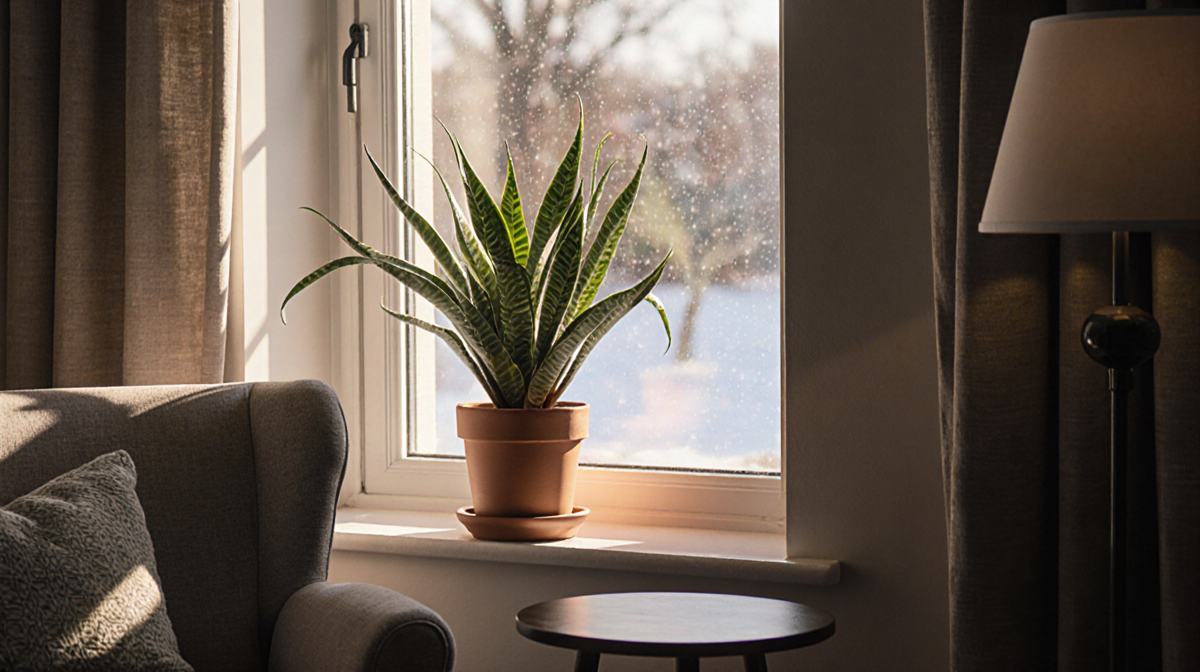
Sunlight is the most influential factor. Shade-loving plants thrive on windowsills that receive indirect light. Sun-loving varieties may need supplemental grow lights that emulate natural daylight. A grow lamp with a timer can provide 16 hours of light for full-sun plants, ensuring they receive adequate nutrition.
Temperature
Avoid placing plants near heaters, fireplaces, or air vents where temperatures fluctuate wildly. Instead, opt for a spot that maintains a steady temperature-ideally between 65-75°F (18-24 °C). If you have a bathroom with a window, that can be an ideal spot for many plants due to its natural humidity.
Humidity
Indoor heating systems dry the air, especially during winter. A small humidifier can raise humidity levels to a comfortable range for most houseplants. If a humidifier isn’t available, grouping plants together can create a micro-environment with higher moisture.
Gradual Acclimation: Avoiding Shock
Plants acclimated to outdoor conditions can suffer shock when abruptly moved indoors. A slow transition reduces stress and prevents illness.
- Shade-loving plants: Start by placing them outdoors for a few hours each day, then increase the time by an hour daily until they spend six consecutive hours indoors.
- Sun-loving plants: Keep them in a shaded area for about two weeks before moving them indoors.
- Trim new growth: When the transition starts, trim back new shoots. The regrowth will adapt to indoor conditions, resulting in healthier plants.
Pest Prevention During the Move
Moving plants can transfer unwanted insects into your home. Aphids, mealybugs, and other pests thrive in the transition period.
- Water soak method: Submerge the plant in a bucket of water with a drop of mild soap (e.g., castile soap) for 15 minutes. This method kills bugs without pesticides.
- Caution: Only use this technique on pots with drainage holes. Avoid it with cacti, succulents, and other plants that cannot tolerate excess water.
Watering Adjustments for Winter
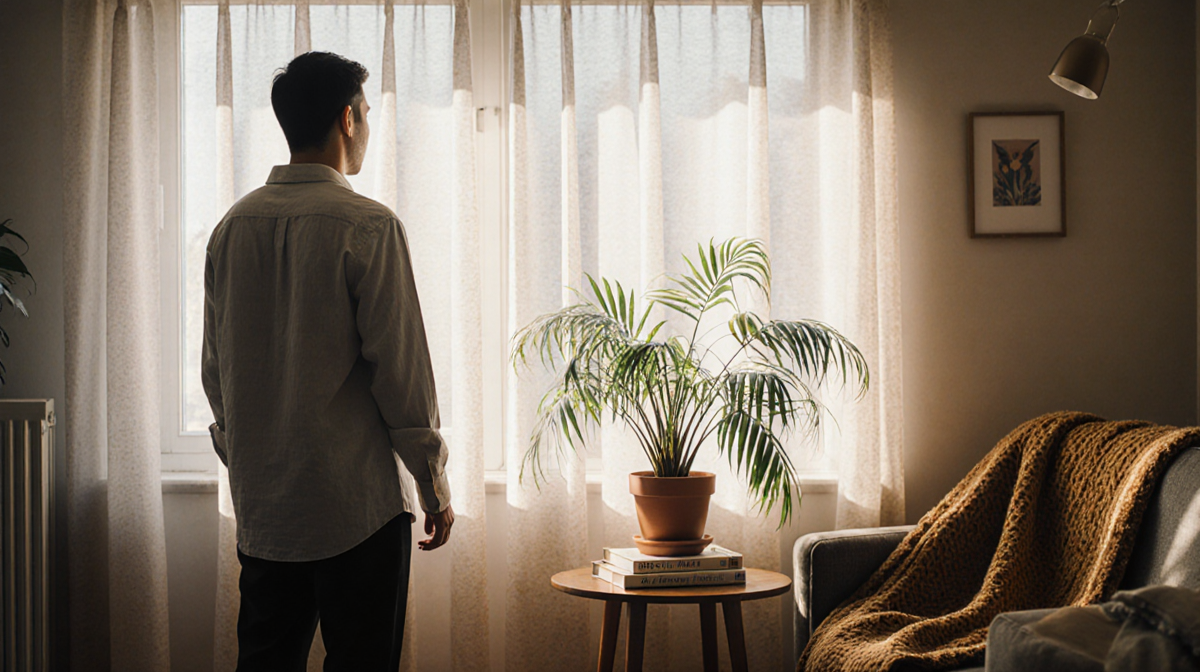
Watering frequency drops significantly in winter. The key is to water only when the soil is dry to the touch. Overwatering can lead to root rot, which is often fatal.
- General rule: Wait until the top inch of soil feels dry before watering again.
- Succulents: These plants can tolerate even longer dry periods. Wait until the soil has been dry for several days.
- Tools: A $10 soil moisture monitor can help you maintain optimal moisture levels without guesswork.
Long-Term Care: Maintaining Health
Beyond the immediate transition, there are ongoing practices that support plant health during winter.
- Rotate plants: Turn plants every few weeks to ensure even light exposure.
- Check for pests regularly: Inspect leaves and stems for signs of infestation.
- Prune dead or yellowing leaves: Removing unhealthy foliage encourages new growth.
- Fertilize sparingly: Most plants need fewer nutrients in winter. Use a balanced, diluted fertilizer once a month at most.
Key Takeaways
| What to Do | Why It Matters |
|---|---|
| Move plants indoors before 45°F | Prevents frost damage |
| Provide adequate light, stable temperature, and humidity | Supports photosynthesis and reduces stress |
| Gradually acclimate plants | Avoids shock and illness |
| Control pests with a soap soak | Keeps pests from spreading indoors |
| Water only when soil is dry | Prevents root rot |
By following these steps, you can keep your indoor jungle healthy, vibrant, and resilient throughout the winter months.
Resources for Further Reading
- How to Plant a Tree the Right Way
- What Determines a Hydrangea Bloom Color
- How to Get Rid of Honeysuckle
—