Stephen Colbert opened the night on The Late Show with a biting jab at President Donald Trump’s newly announced Board of Peace, calling the $1 billion membership fee “a little steep.” The comment came after Trump, 79, signed the charter at the World Economic Forum in Davos, Switzerland, on January 22, 2024.
At a Glance
- Trump’s Board of Peace requires a $1 billion fee to join.
- CBS settled a lawsuit with Trump for $16 million.
- Colbert criticized the fee and the settlement on The Late Show.
- The board’s mission overlaps with the United Nations’ peacekeeping goals.
- Few Western nations have expressed interest in joining.
—
The Board of Peace: Purpose and Membership
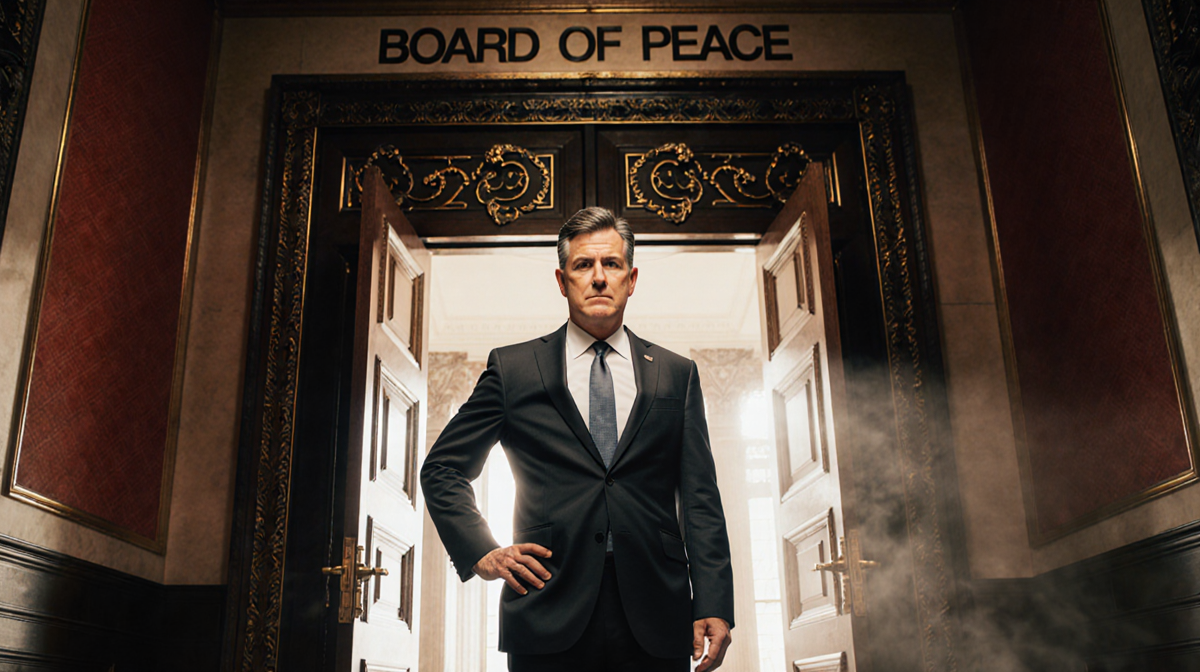
Trump announced the Board of Peace as a new international body aimed at addressing global conflicts. The charter was signed in front of a small gathering of world leaders, including the president himself, who will serve as the board’s inaugural chairman.
The board’s stated focus is on ensuring peace in the Middle East, with hints at broader ambitions. Trump said the board would work alongside the United Nations, though details on its structure and operations remain sparse.
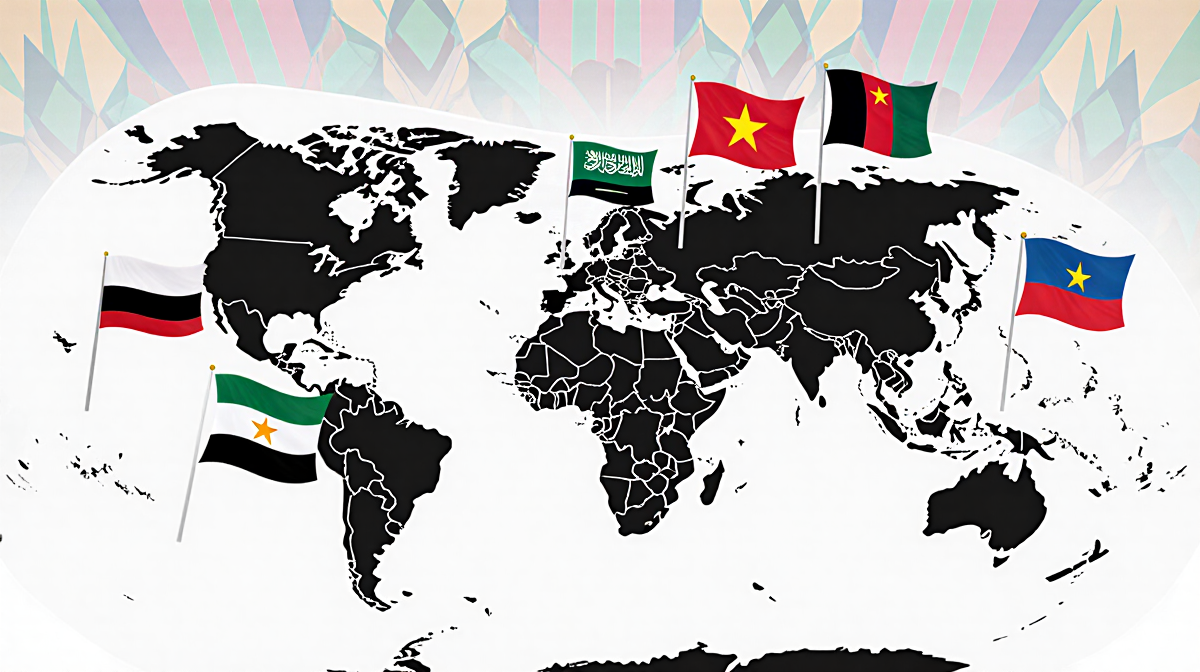
Countries That Have Accepted the Invitation
| Region | Countries |
|---|---|
| Europe | Albania, Bulgaria |
| Americas | Argentina, Paraguay |
| Middle East | Bahrain, Egypt, Saudi Arabia |
| Asia | Indonesia, Kazakhstan, Mongolia, Vietnam |
| Africa | Morocco |
| Oceania | None |
The list reflects a mix of Middle Eastern, Asian, and South American nations, with only a handful of Western countries showing interest.
Executive Board Members
- U.S. Secretary of State Marco Rubio
- U.S. special envoy to the Middle East Steve Witkoff
- Jared Kushner, Trump’s son-in-law
- Former U.K. Prime Minister Tony Blair
- Billionaire Marc Rowan
- World Bank Group president Ajay Banga
- U.S. deputy national security adviser Robert Gabriel
The board is set to be chaired indefinitely by Trump.
The $1 Billion Membership Fee
The charter reportedly requires a $1 billion fee for membership. No official breakdown of how the money will be used has been released, and the fee remains a point of contention.
Colbert’s monologue highlighted the absurdity of the price tag, especially when compared to the relatively modest sums paid by other entities. He added, “Now, admittedly, the idea of paying a billion dollars to obey Donald Trump seems a little steep,” and noted that CBS paid the president $16 million to settle a lawsuit.
CBS’s $16 Million Settlement
In a separate but related development, CBS agreed to a $16 million settlement with Trump. The payment was to resolve a lawsuit over a 2024 interview with President Harris that Trump claimed was edited to misrepresent his statements. The money will be donated to Trump’s future presidential library.
Colbert has previously criticized the settlement, calling it a “big, fat bribe” and expressing concern over the financial ties between the network and a sitting government official.
Colbert’s Critique on The Late Show
During his opening monologue, Stephen Colbert lampooned the board’s mission as a “model UN” operation that overlaps with the United Nations’ mandate. He added, “Why, you may ask, is this even happening? Good question, me.”
Colbert’s remarks were part of a broader pattern of criticism toward CBS’s handling of its relationship with Trump, especially after the network announced that The Late Show would be canceled following the current season.
Reactions and Implications
Trump celebrated Colbert’s firing on Truth Social, writing, “I absolutely love that Colbert got fired.” He also hinted that Jimmy Kimmel might be next.
The board’s creation and the associated fee have drawn scrutiny from international observers and political commentators. Critics argue that the board could undermine existing diplomatic frameworks, while supporters claim it offers a new avenue for conflict resolution.
Key Takeaways
- Trump’s Board of Peace requires a $1 billion fee, with no clear use plan.
- CBS settled a lawsuit with Trump for $16 million, a point of contention for Colbert.
- The board’s membership is largely limited to Middle Eastern, Asian, and South American nations.
- Colbert’s criticism highlights concerns about political influence and financial entanglements.
- The future of The Late Show remains uncertain, with potential implications for network programming.
—
Conclusion
The intersection of Trump’s new diplomatic initiative and CBS’s financial dealings has sparked debate about the role of money in international politics. As the board moves forward, its impact on global peace efforts and the broader political landscape will be closely watched.