At a Glance
- Donny Osmond’s 1976 variety show launched his and sister Marie’s TV careers and reshaped his music trajectory.
- The duo’s 2008 Las Vegas reunion and a 2021 solo residency show highlight their enduring appeal.
- Osmond embraces AI and a custom app to keep his brand relevant.
- Why it matters: The story shows how a single TV platform can pivot a pop star’s path and how technology can sustain legacy entertainment.
Donny Osmond’s life on stage and screen has spanned five decades, but it was the 1976 debut of Donny & Marie that set the stage for a career that would evolve from pop singer to Vegas icon and tech-savvy entrepreneur.
The TV Show Launch
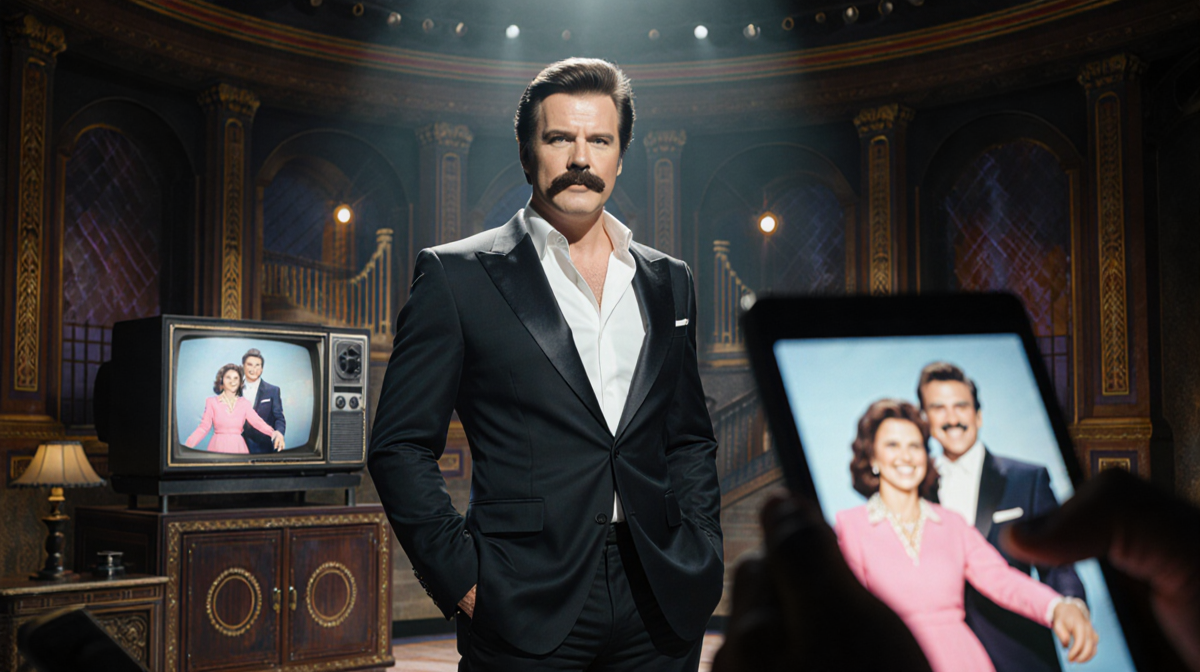
Donny Osmond, then 18, was convinced his recording career was ending when he heard the question, “If people can hear you for free on television every week, why go buy an album?” The show premiered on Jan. 23, 1976 and became an instant hit.
- The siblings had just finished a week-long stint hosting Mike Douglas’ daytime program.
- Their management team proposed a variety show in the style of The Sonny & Cher Comedy Hour.
- Marie, 16, agreed, and the show launched the next month.
Osmond recalled, “I said, ‘There goes my recording career,'” as he imagined the impact of free weekly TV exposure. The power of television, he later admitted, was far greater than he had anticipated.
Impact on Careers
The show forced Osmond’s hit-making to take a backseat for a time while he promoted Donny & Marie.
- He had already hit No. 1 with Paper Roses and Top 5 hits like Go Away Little Girl and Puppy Love.
- The variety format pushed the duo out of their comfort zones: “We never really knew anything about variety television,” Osmond said. “We were thrown into comedy, and that’s why I say some of the comedy stuff is kind of silly…”
- The program ran for four years, during which Donny and Marie toured worldwide, from Malaysia to South America, where the show generated unprecedented fan enthusiasm.
Osmond’s reflections on the early days highlight the tension between music and television, yet the exposure ultimately broadened his audience.
The 2008 Reunion
In 2008, Donny and Marie reunited for a Las Vegas residency that lasted until 2019. The show combined nostalgia with fresh material, drawing fans who had grown up with the duo.
> “The Donny & Marie team was just organic. It was real. It wasn’t manufactured,” he noted. “Over the years, people took shots at us because of the goody-goody factor, but we kept it genuine.”
Despite the emotional pull, Osmond stated a one-off concert would be impractical. “If you’re going to do that, you might as well do a residency,” he explained.
Vegas Residency & AI Innovations
Osmond’s current solo residency at Harrah’s Las Vegas began in 2021 and continues to thrive.
- He incorporates holographic technology, performing with a 14-year-old version of himself created from his grandson’s body.
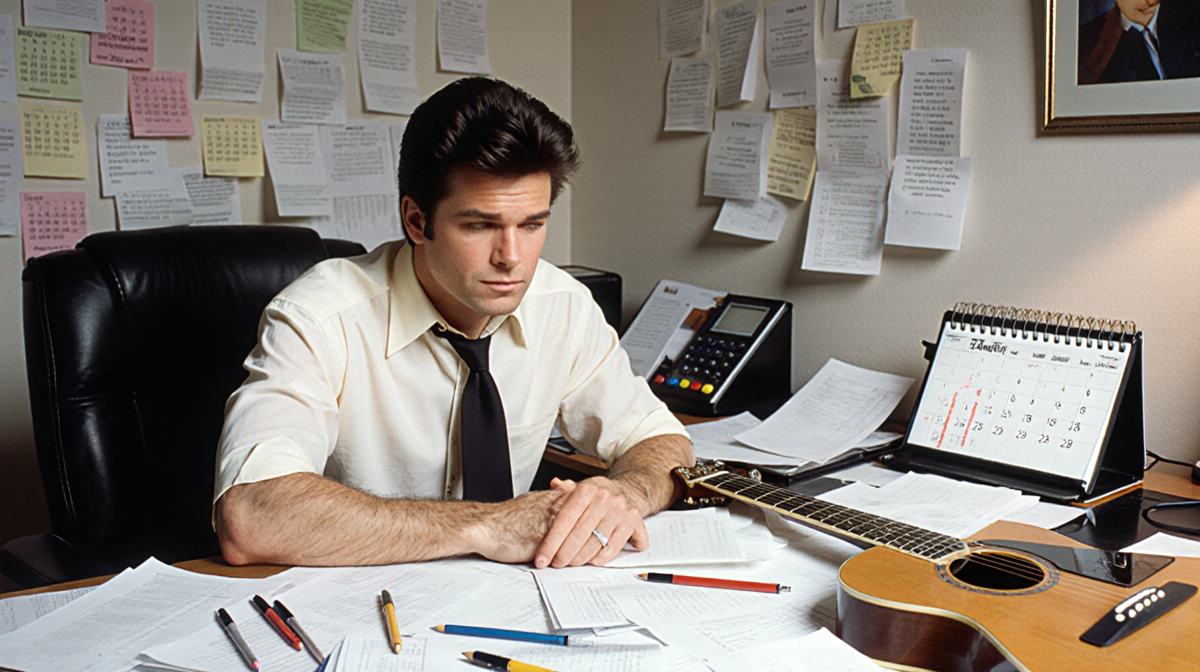
- Osmond is a self-admitted techhead and has coded the backend of his new Donny App, which offers merchandise, tickets, and incentives.
- He views AI as a tool: “The whole AI thing, if you don’t embrace it and advance your career, you’ll just hang your head on your laurels…”
Osmond also announced new fall dates for his residency, running from Sept. 1 to Dec. 12, and confirmed his upcoming induction into the Las Vegas Magazine Hall of Fame.
> “I love the fact that these awards are voted upon by previous honorees. That’s what’s really cool,” he said. “It becomes even a bigger honor because your peers are voting for you.”
Future Plans & Legacy
While a reunion show isn’t in the works, Osmond’s focus remains on his Vegas residency and technological ventures.
- He plans to expand his app’s features and explore further AI collaborations.
- His career, once thought to be over, continues to evolve: “Not bad for a guy who thought his career was over 50 years ago.”
The story underscores how a single television platform can alter a pop star’s trajectory and how embracing new technology can keep that legacy alive for new generations.
Key Takeaways
- Television’s power in the 1970s reshaped Donny Osmond’s music career.
- Variety shows forced artists to diversify, leading to lasting popularity.
- Tech integration (holograms, AI, custom apps) is vital for modern entertainment icons.
- Legacy preservation relies on adaptability and engagement with fans through new media.