At a Glance
- FCC released a public notice on January 21 demanding that late-night and daytime talk shows give equal airtime to all political candidates.
- Jimmy Kimmel and other hosts have criticized the move as a threat to free speech.
- The guideline follows a 2006 FCC decision that exempted shows like The Tonight Show from the rule.
**Why it matters: The new rules could force popular shows to change how they interview politicians, reshaping political coverage on television.
Jimmy Kimmel’s monologue on the night of January 22 sparked a national debate over the Federal Communications Commission’s latest public notice. The agency announced that programs such as Jimmy Kimmel Live! and daytime shows must provide equal airtime for candidates from all parties when interviewing political figures. Kimmel, 58, used the platform to criticize the FCC and its chairman, Brendan Carr, labeling the new guidelines as an attempt to silence dissenting voices.
FCC’s New Public Notice
On January 21, FCC Chairman Brendan Carr issued a release to X, reminding both late-night and daytime programs of an “obligation to provide all candidates with equal opportunities.” Carr also suggested that some shows may have been “ignoring or misreading the law in recent years” and asserted that the agency was not weaponizing the statute passed by Congress.
The notice specifically requires:
- Equal airtime for all political candidates when a show interviews a political figure.
- Transparency in how time is allocated among candidates.
- Enforcement through the FCC’s regulatory powers.
Carr’s message came after the agency’s 2006 decision that exempted The Tonight Show from the equal-time rule. That ruling allowed late-night hosts to interview a single candidate without providing equal opportunity to opponents.
Kimmel’s Response
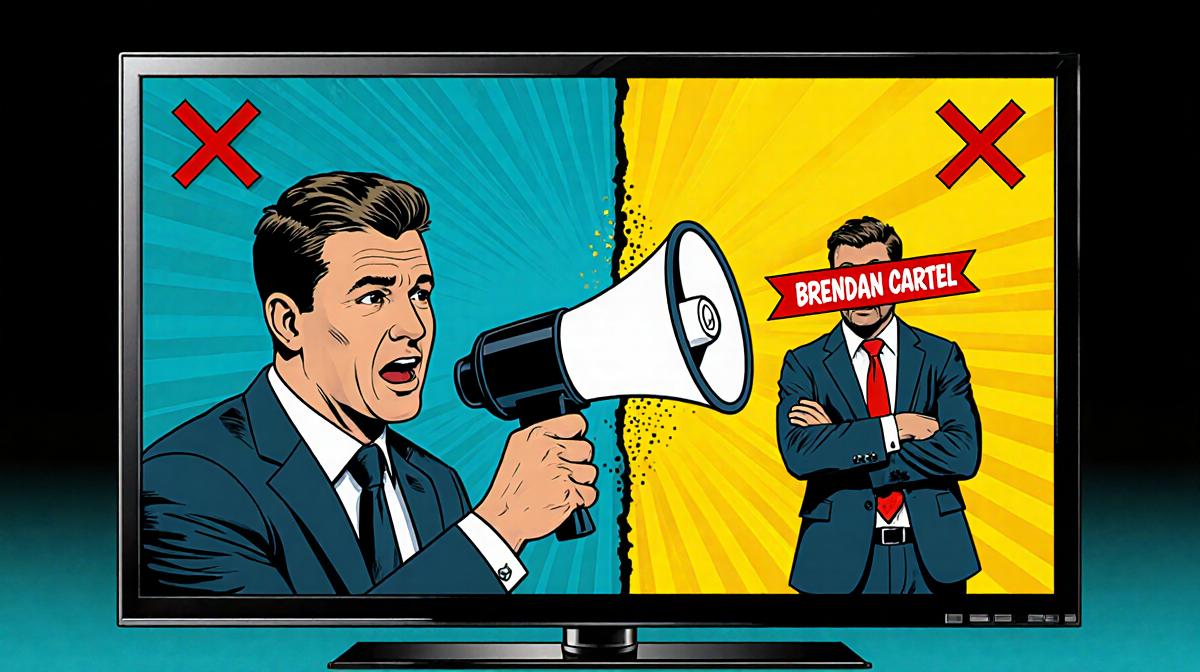
During his January 22 monologue, Kimmel called the FCC and Carr “reinterpreting long-agreed-upon rules to stifle us.” He also dubbed Carr the “Brendan Cartel,” accusing the agency of attempting to keep viewpoints that do not align with the administration off the air.
Kimmel referenced a 2006 interview with then-California gubernatorial candidate Arnold Schwarzenegger on The Tonight Show. He noted that the FCC ruled the program was not subject to the equal-time rules, a precedent that has guided talk show practices since.
> “Sometimes there are 20 people from 20 different parties running for the same spot and if you can’t interview all of them, you can’t interview any of them,” Kimmel said.
He added that the new guidelines could force shows to “make it difficult for shows like ours and The View to interview politicians they don’t align with.” Kimmel’s comments framed the FCC’s move as an attack on free speech and an attempt to “squash anyone who doesn’t support them by following ‘the rules.'”
Other Industry Voices
Stephen Colbert, host of The Late Show with Stephen Colbert, also addressed the FCC’s new guidelines during his January 22 show. Colbert called the rule an “attempt to silence me, Jimmy and Seth Meyers.” He reminded viewers that he has been on the air for 21 years and that the FCC’s power to change interview practices is unprecedented.
> “Hey, I’m flattered you think that appearing on my show has the power to affect politics in any way. I’ve been doing this job for 21 years and let me tell you something, buddy: If our government had turned out the way I had chosen, you would not have the power to make this announcement.”
Other hosts have echoed Kimmel’s concerns, citing the potential impact on the diversity of political discourse on television. The FCC’s public notice has sparked a debate about the balance between regulatory oversight and creative freedom.
Legal Context
The equal-time rule dates back to the 1940s, originally designed to prevent any single candidate from dominating airtime during election periods. The 2006 FCC decision created a carve-out for late-night shows, arguing that the format and audience differed from daytime programs.
Under the new guidelines, the FCC is effectively revoking that carve-out. The agency’s stance is that all programs, regardless of format, must now adhere to the equal-time principle when interviewing political figures.
This shift raises questions about how the FCC will enforce the rule and what penalties will be imposed for non-compliance. The agency has not yet outlined specific enforcement mechanisms.
Timeline of Events
| Date | Event |
|---|---|
| January 21 | FCC Chairman Brendan Carr releases public notice demanding equal airtime for all political candidates on late-night and daytime shows. |
| January 22 | Jimmy Kimmel airs monologue criticizing FCC’s new guidelines; Stephen Colbert addresses the rule on his show. |
What Could Happen Next
- Compliance Measures: Shows may need to adjust interview formats, possibly limiting the number of candidates per episode or ensuring balanced time allocation.
- Legal Challenges: Some hosts and networks might file lawsuits claiming the FCC’s rule infringes on First Amendment rights.
- Policy Clarification: The FCC may issue further guidance detailing how to measure and enforce equal airtime.
- Industry Response: Networks could lobby for exemptions or amendments to the rule, citing the unique nature of late-night programming.
Key Takeaways
- The FCC’s new public notice could fundamentally alter how late-night and daytime talk shows handle political interviews.
- Jimmy Kimmel and Stephen Colbert have publicly criticized the guidelines, framing them as an attack on free speech.
- The 2006 exemption that allowed shows like The Tonight Show to interview a single candidate is being challenged, potentially ending a long-standing precedent.
- The enforcement strategy and potential legal battles remain unclear, leaving the television industry in a state of uncertainty.
The unfolding situation highlights the tension between regulatory authority and creative expression in the realm of political coverage on television. As the FCC moves forward, the entertainment and political communities will closely monitor how these rules are applied and whether they reshape the landscape of televised political discourse.