
At a Glance
- The top seven supplements for joint health include glucosamine, Omega-3s, turmeric, Vitamin D, Vitamin E, chondroitin, and collagen.
- Dr. Navya Mysore says glucosamine has the strongest evidence, but no supplement alone is a cure.
- Many supplements can interact with blood thinners or medications for heart, thyroid, or asthma.
Why it matters: Choosing the right supplement can ease arthritis pain, but safety checks are essential.
Introduction
Updated on January 24, 2026. Joint pain and stiffness are common as we age, yet many people turn to supplements to keep moving. This guide distills research and expert advice on the seven most-studied supplements for joint health, outlining benefits, risks, and when to talk to a doctor. It also explains why the U.S. Food and Drug Administration does not regulate these products the way it does prescription drugs.
Choosing the Right Supplement
When picking a supplement, consider these factors:
- Evidence – How many studies support its use for joint pain?
- Safety – Does it interact with your current medications or allergies?
- Source – Is the product made in a facility that follows Good Manufacturing Practices?
- Form – Some compounds need special formulations (e.g., curcumin with black pepper) for absorption.
Dr. Navya Mysore advises that a full-on solution rarely comes from supplements alone, but adding one can help when paired with diet and exercise.
Supplement Spotlight
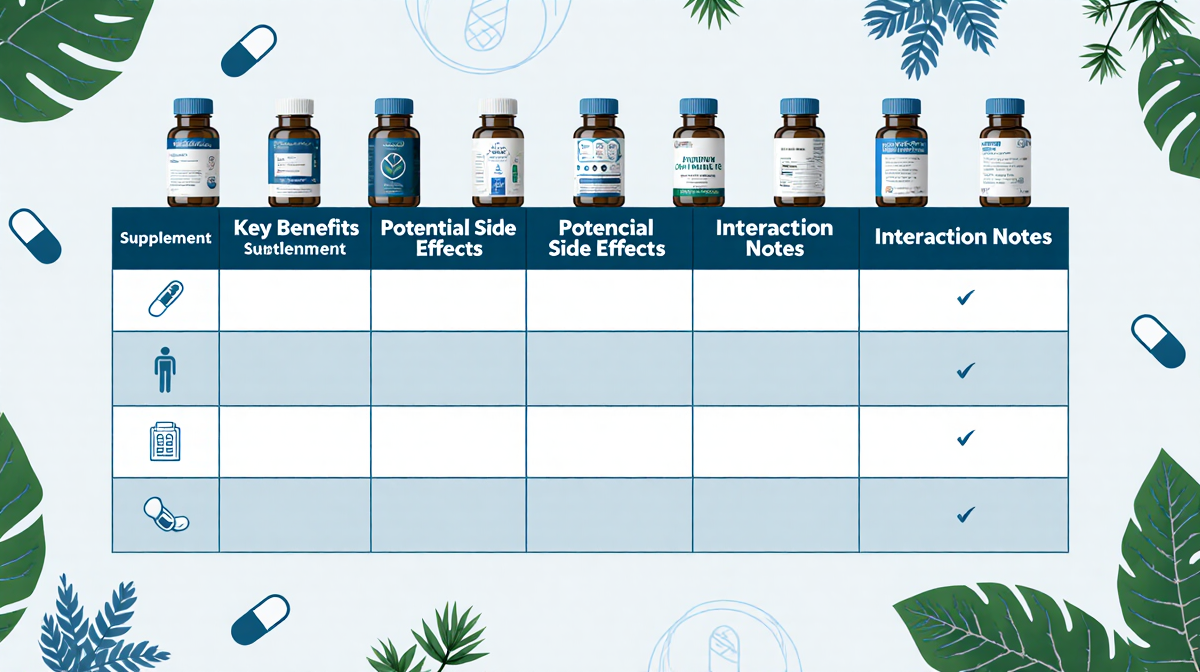
| Supplement | Key Benefits | Potential Side Effects | Interaction Notes |
|---|---|---|---|
| glucosamine | May reduce pain from osteoarthritis or rheumatoid arthritis | Nausea, heartburn | May affect people on blood thinners or with shellfish/iodine allergies |
| Omega-3s | Reduces inflammation and joint stiffness | Minor bleeding risk | Avoid if on blood thinners without doctor approval |
| Turmeric (curcumin) | Antioxidant and anti-inflammatory | Possible blood thinning | Can interfere with anticoagulants and immunosuppressants |
| Vitamin D | Supports bone health; may ease arthritis pain | High levels can raise calcium, interact with Lanoxin | Keep below 4,000 IU per day unless prescribed |
| Vitamin E | Antioxidant; may slow osteoarthritis progression | Bleeding risk with blood thinners | Check medication list |
| Chondroitin | Found in cartilage; may aid joint function | Generally safe | Interacts with warfarin |
| Collagen | Provides structural protein for joints | Little evidence for pain relief | Safe for most, but monitor if on other supplements |
The table above summarizes the most common supplements, their purported benefits, and safety concerns.
Glucosamine
Glucosamine naturally occurs in cartilage and may help joints function. It is often sold with chondroitin. Dr. Navya Mysore notes that people with shellfish or iodine allergies should be cautious, as the supplement is frequently derived from shellfish. She also warns about nausea, heartburn, and potential interactions with blood thinners or anticoagulants.
Omega-3s
Omega-3 fatty acids may alleviate inflammation and joint pain. Research indicates they can reduce stiffness in arthritis patients and may even prevent experimental arthritis. If you take a blood thinner, consult your doctor before starting omega-3 supplements. The Mediterranean diet is a natural source of omega-3s.
Turmeric
Turmeric’s active compound, curcumin, has antioxidant and anti-inflammatory properties. To maximize absorption, choose a supplement that contains curcumin and consider adding black pepper to your meals. Johns Hopkins Medicine cautions that turmeric can interfere with blood thinners and immunosuppressive drugs.
Vitamin D
Vitamin D supports bone health and may help with arthritis pain and inflammation, though results are mixed. High levels can interact with medications, especially Lanoxin, increasing the risk of hypercalcemia. Most experts recommend not exceeding 4,000 IU daily unless a doctor advises otherwise.
Vitamin E
Vitamin E is an antioxidant that may slow osteoarthritis progression and promote cartilage growth. However, it can interact with blood thinners, raising bleeding risk.
Chondroitin
Chondroitin is found in cartilage and often paired with glucosamine. Research is inconclusive, but it is generally considered safe. It can interact with blood thinners such as warfarin.
Collagen
Collagen is a protein that declines with age. While there is limited research on its effect on joint pain, doctors say it is unlikely to cause harm and may feel beneficial when combined with low-impact exercise.
Safety and Interactions
| Medication | Supplement | Interaction |
|---|---|---|
| Blood thinners (e.g., warfarin) | Glucosamine, Omega-3s, Turmeric, Vitamin E, Chondroitin | Increased bleeding risk |
| Lanoxin | Vitamin D | Hypercalcemia risk |
| Immunosuppressants | Turmeric | Reduced efficacy |
| Asthma medications | Glucosamine | Possible asthma flare |
Always discuss new supplements with a healthcare provider, especially if you are on prescription medications or have chronic health conditions.
When to Seek Medical Advice
- Persistent pain that worsens over time.
- Unexplained swelling or redness in joints.
- New or worsening symptoms after starting a supplement.
- Known allergies to supplement ingredients (e.g., shellfish, fish, soy).
- History of bleeding disorders or use of anticoagulants.
Your doctor can confirm the underlying cause of joint pain, such as osteoarthritis, rheumatoid arthritis, or other conditions, and recommend a safe supplement strategy.
Key Takeaways
- The seven most-studied joint supplements are glucosamine, Omega-3s, turmeric, Vitamin D, Vitamin E, chondroitin, and collagen.
- Glucosamine has the strongest evidence, but no supplement alone cures joint pain.
- Supplements can interact with medications and cause side effects; check with a doctor first.
- The U.S. FDA does not approve dietary supplement claims before use; rely on research and professional guidance.
- Identifying the root cause of joint pain-often arthritis-requires a medical evaluation.
Written by Jonathan P. Miller for News Of Los Angeles.