Intro
A powerful winter storm, dubbed Winter Storm Fern, is set to sweep across the United States this weekend, threatening to disrupt travel, power, and daily life for nearly 200 million people.
At a Glance
- Winter Storm Fern will hit the South Central states on Friday, spreading to the Midwest and East Coast.
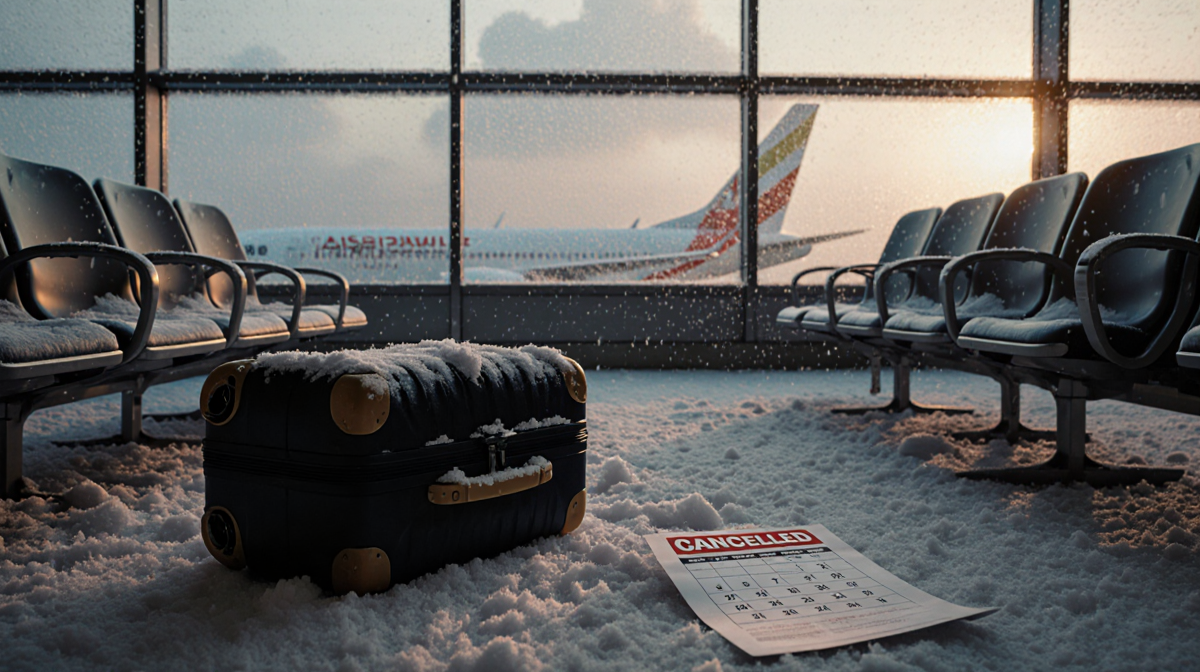
- Delta Airlines has canceled flights at five southern airports; other carriers warn of potential delays.
- Power outages could affect communities from northern Texas to the Carolinas.
- Why it matters: The storm’s reach and severity could halt travel, cut power, and force widespread preparation.
Storm Overview
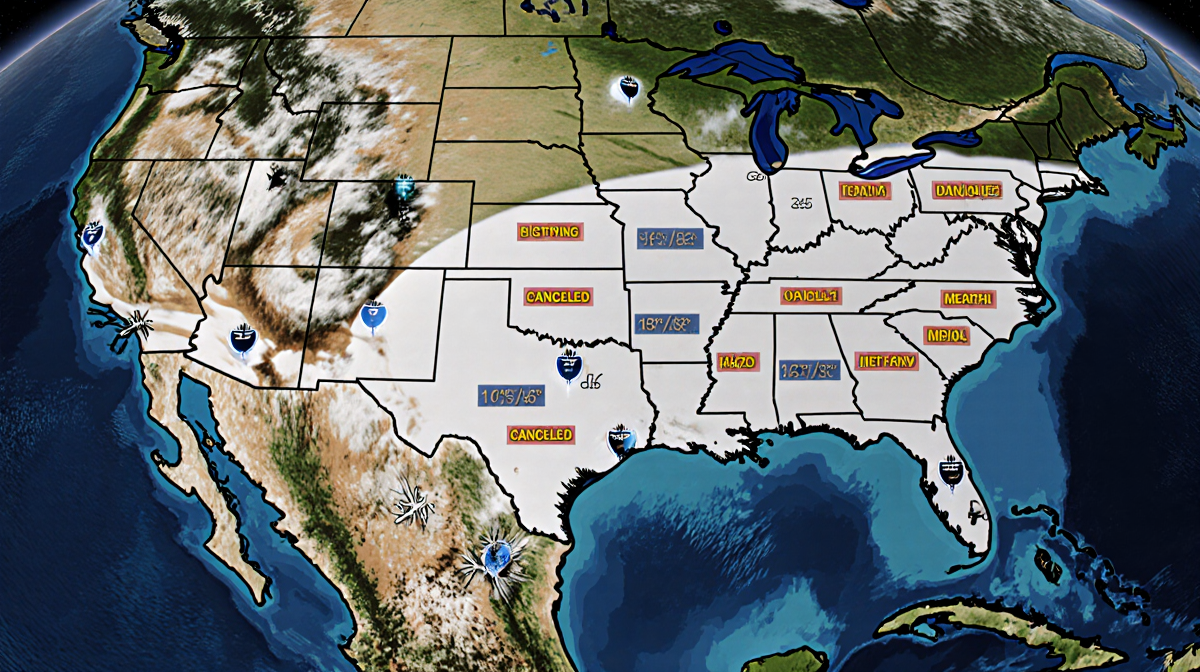
The Weather Channel reports that the storm will begin on Friday in the South Central states and then move into the Midwest, eventually reaching the East Coast. The system is expected to bring heavy snow, crippling ice, and bitterly cold temperatures, with wind chills as low as Negative 50 °F in the Plains.
Delta Flight Cancellations
Delta Airlines announced Thursday that it would cancel flights from select airports in five southern states-North Texas, Oklahoma, Arkansas, Louisiana, and Tennessee-to ensure passenger safety. The airline said:
> “Due to these expected conditions, flight cancellations are necessary at select airports in North Texas, Oklahoma, Arkansas, Louisiana and Tennessee to ensure the safety of our customers and people,” the company said.
Delta will rebook passengers on the next best itinerary, and customers can adjust flights via the Delta app or website. While United and American Airlines have not yet canceled flights, they have warned that the weather could disrupt schedules.
Power Outages and Weather Risks
Thomas Kines, senior meteorologist at AccuWeather, told News Of Los Angeles that power outages are likely from northern Texas to the Carolinas. He added:
> “The worst-case scenario is that power is lost for several days in some communities.”
The storm’s combination of heavy snow, ice, and extreme cold increases the risk of widespread power loss, especially in areas where power lines and infrastructure are vulnerable.
How to Prepare
Items to Have at Home
The National Weather Service recommends keeping the following supplies on hand if severe weather threatens:
- Flashlights and a battery-powered radio
- Backup batteries for devices
- Plenty of blankets to stay warm
- Drinking water and non-perishable food (dried fruit, nuts, granola bars)
- Extra prescription medication and first-aid supplies
- Baby items (diapers, formula) and pet food
- Fuel for fireplaces or wood stoves if generators are unavailable
- Carbon monoxide detectors and smoke detectors checked
Kines advises charging power banks before a storm and keeping the fridge closed to preserve food.
Car Emergency Kit
The National Weather Service also recommends a vehicle kit that includes:
- Cellphone charger
- First-aid kit
- Jumper cables and spare tire
- Flares, sand or cat litter, tow rope
- Blankets, warm clothing, and a snow shovel
- Water and non-perishable snacks
Having these items ready can help you navigate road closures and low-visibility conditions.
Protecting Outdoor Tech
Outdoor security cameras and smart devices can withstand winter weather, but they may need extra protection. Tyler Lacoma, a home-security expert, advises:
> “Always check the IP ratings of your outdoor devices if possible, and bring them inside until after the snow if they are below IP65.”
If devices are in the direct path of high winds or snowfall, move them under an awning or porch. If unsure of a device’s rating, it’s safest to bring it inside for the weekend.
Timeline of Storm
| Date | Event |
|---|---|
| Friday | Storm begins in South Central states |
| Saturday | Snow and ice spread into the Midwest |
| Sunday | Storm reaches the East Coast |
| Monday | Snow exits the Northeast; precipitation ends nationwide |
Kines notes that the storm’s effects will linger for several days in the south, even after precipitation ends.
Key Takeaways
- Winter Storm Fern will impact nearly 200 million people, causing flight cancellations and power outages.
- Delta has already canceled flights in five southern states; other airlines warn of disruptions.
- Power outages could last several days in affected communities.
- Prepare by stocking essential supplies, securing outdoor tech, and keeping a car emergency kit.
- Stay informed with local weather reports and updates from the National Weather Service.
By taking these precautions, residents can reduce the storm’s impact on their daily lives and stay safe during the harsh winter conditions.