At a Glance
- YouTube plans to let creators generate Shorts with their own AI likeness.
- The move follows Google’s earlier launch of Veo 3 for AI-generated Shorts.
- YouTube is tightening policies to curb deepfakes and low-quality AI content.
- Why it matters: Creators gain new creative tools while the platform tackles rising AI-related risks.
YouTube is pushing further into artificial intelligence, aiming to let creators produce Shorts that feature AI-generated versions of themselves. The announcement came in CEO Neal Mohan’s annual letter, where he highlighted new tools for likeness creation, game generation from text prompts, and music experimentation.
AI Likeness for Shorts
Mohan wrote, “This year you’ll be able to create a Short using your own likeness, produce games with a simple text prompt and experiment with music,” stressing that AI is a tool for expression, not a replacement. While YouTube hasn’t yet shared details about the underlying technology or how it will integrate with the existing Shorts workflow, the promise signals a shift toward more personalized, AI-enhanced content.
Veo 3 and Google’s AI Push
In September, Google added its generative AI tool Veo 3 to YouTube Shorts, allowing anyone to create AI-generated videos. This addition positions YouTube against competitors like TikTok and expands the platform’s creative toolkit. The Veo 3 integration demonstrates Google’s broader strategy to embed generative AI across its services.
Likeness-Detection Technology
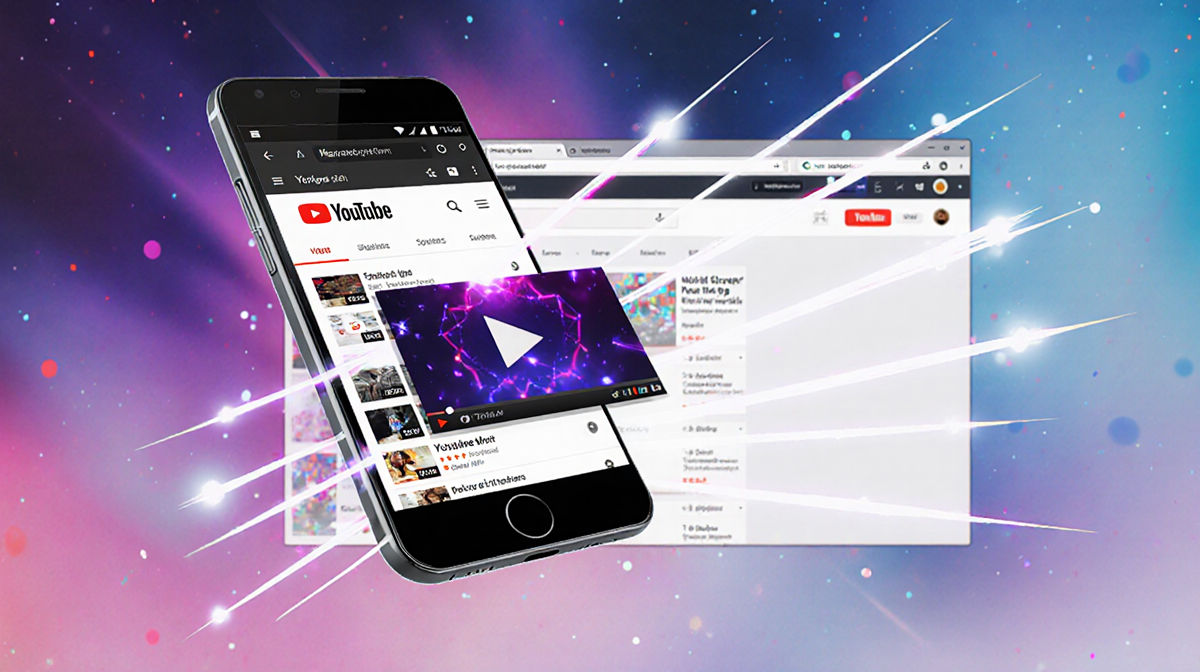
YouTube rolled out likeness-detection technology last fall to prevent unauthorized use of a creator’s face or voice. The system scans videos for matches against a creator’s registered likeness, helping to stop impersonation and protect intellectual property. As YouTube introduces AI-generated likenesses, this technology will likely play a key role in ensuring creators can use their own AI avatars without infringing on others.
Tackling Deepfakes and Low-Quality Content
Mohan acknowledged the growing challenge of distinguishing real from AI-generated media: “It’s becoming harder to detect what’s real and what’s AI-generated,” he wrote. “This is particularly critical when it comes to deepfakes.” He added that the platform is actively building on established systems that have combated spam, clickbait, and repetitive content. These efforts aim to reduce the spread of low-quality AI content while preserving creative freedom.
Policy and Enforcement
YouTube’s policy for policing AI-generated content remains under development. The company has indicated it will use existing moderation tools, adapted to handle AI-specific issues. By leveraging its experience with spam and clickbait, YouTube intends to keep its open platform safe while allowing creators to experiment with new AI features.
What Creators Should Expect
- New AI tools for likeness creation, game generation, and music.
- Stricter enforcement to prevent deepfakes and unauthorized likeness use.
- Continued reliance on existing moderation systems adapted for AI content.
These changes suggest a future where creators can produce highly personalized Shorts using AI, but also a platform that remains vigilant against misuse.
Key Takeaways
- YouTube’s upcoming AI likeness feature will let creators generate Shorts that look like them.
- Google’s Veo 3 already enables AI-generated videos, giving YouTube a competitive edge.
- Likeness-detection technology will help protect creators from unauthorized use.
- The platform is reinforcing policies to curb deepfakes and low-quality AI content.
- Creators will need to balance new creative possibilities with evolving moderation rules.
As AI continues to shape content creation, YouTube’s latest moves reflect both innovation and caution in a rapidly changing digital landscape.